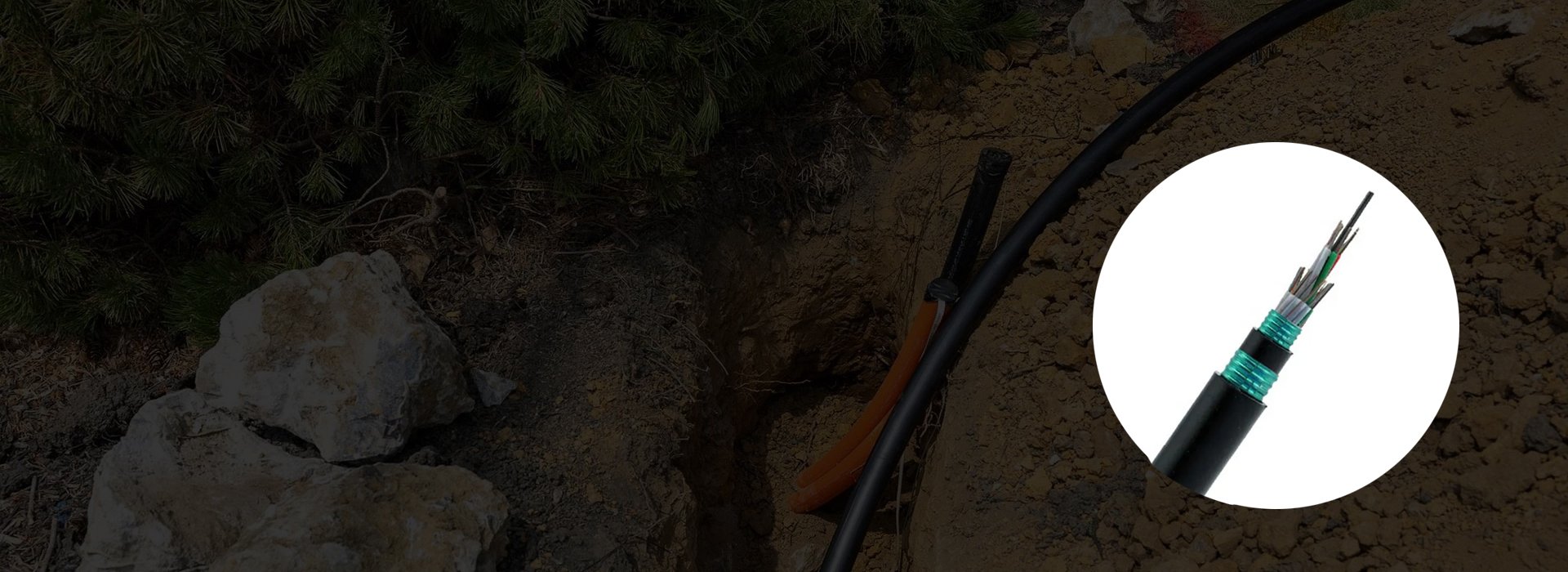
Your Trusted Direct Buried Fiber Optic Cable Supplier
The core advantage of direct buried fiber optic cable lies in their ability to be laid underground without any supporting structures, and they offer cost-effectiveness, stability and environmental friendliness.
OUFU is based on large-scale procurement, lean production to reduce losses, and vertical integration of the supply chain. This enables us to set more competitive direct buried fiber optic cable prices.
Welcome to visit our factory. Feel free to contact us at any time!
Various Types of Direct Buried Fiber Optic Cable
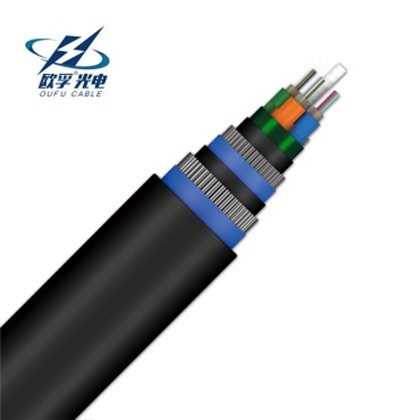 GYTS33 Fiber Optic Cable
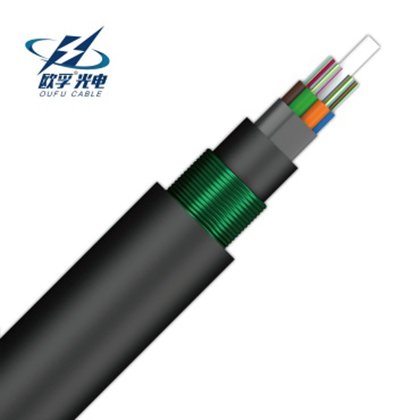 GYTS53 Fiber Optic Cable
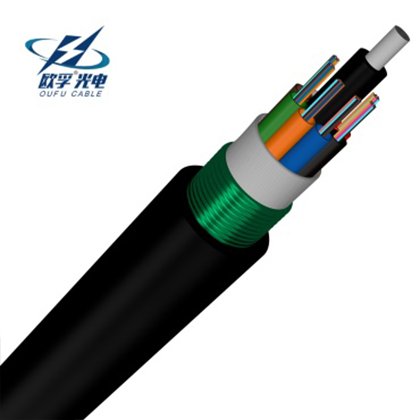 GYTY53 Fiber Optic Cable
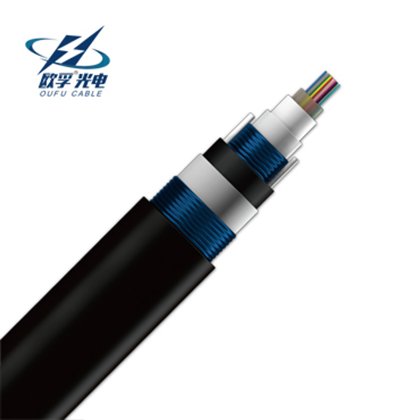 GYXTW53 Fiber Optic Cable
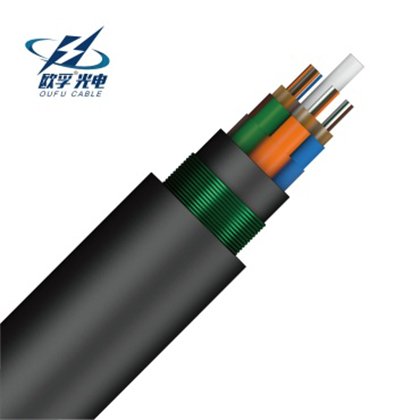 GYFTY53 Fiber Optic Cable
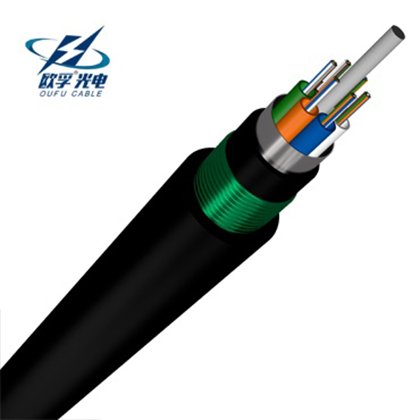 GYFTA53 Fiber Optic Cable
High Construction Efficiency
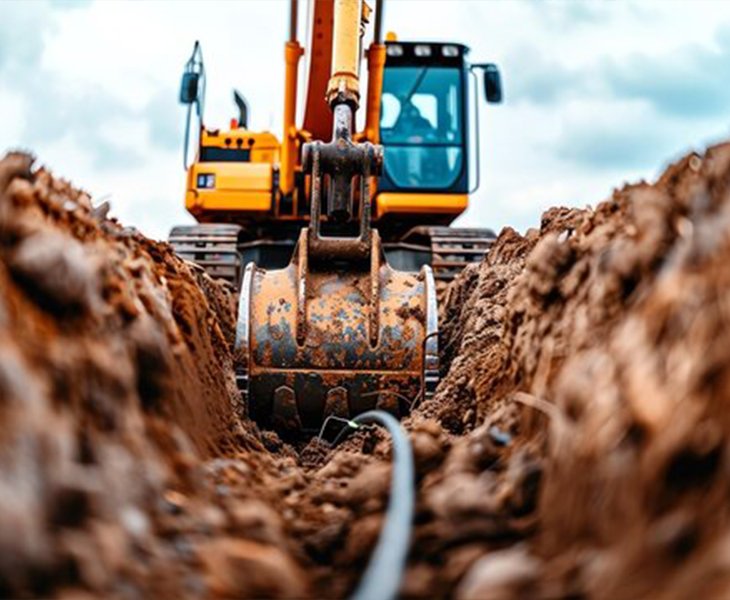
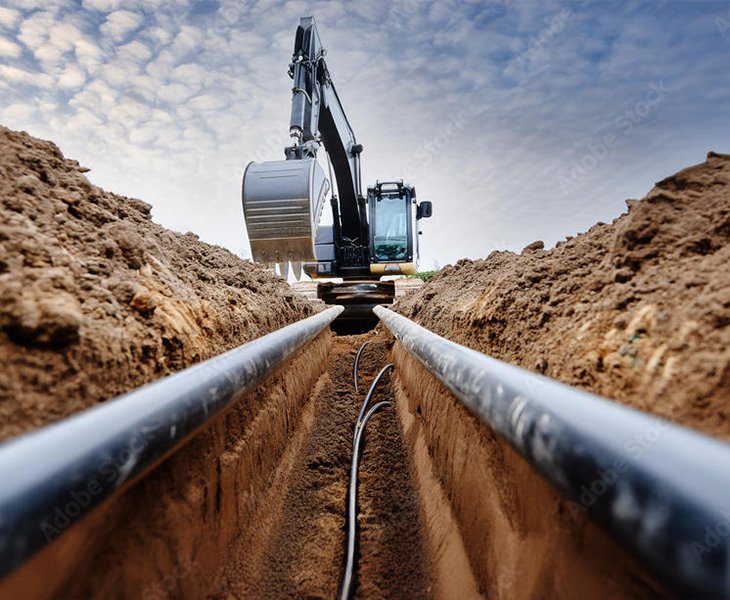
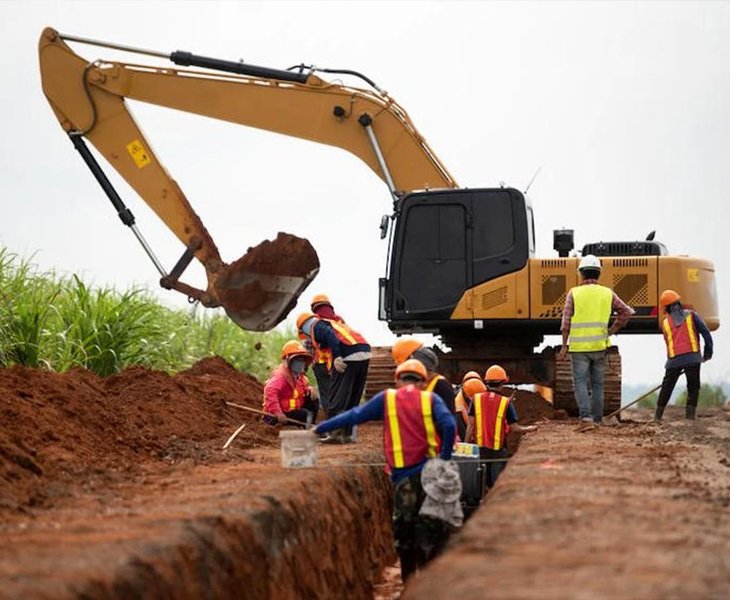
Direct buried fiber optic cable does not require the construction of pipelines, racks or poles as support facilities. You can directly excavated and filled with the optical cable trench to complete the laying. Compared with the pole erection and wire laying of aerial fiber optic cable and the pipeline pre-burial of pipeline fiber optic cable, You saves the materials and construction costs of supporting facilities.
High Resistance to Damage
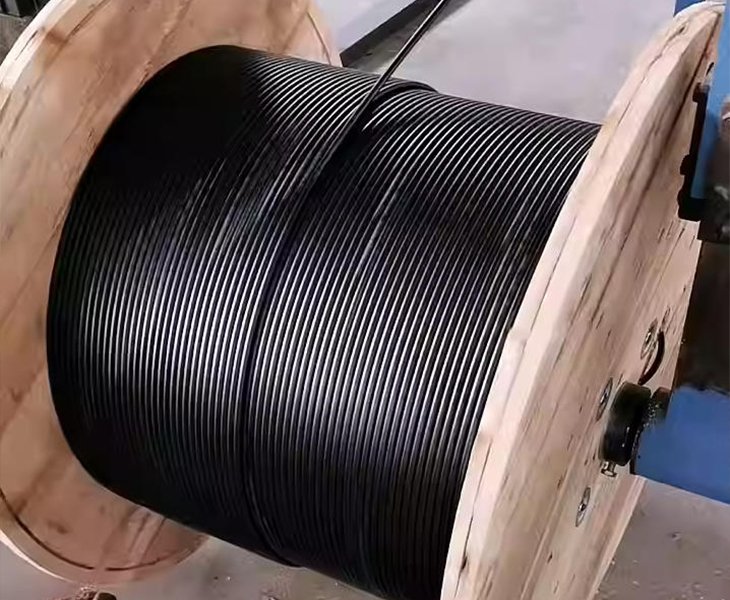
Direct buried fiber optic cable is equipped with a steel tape/steel wire armor + double-layer PE sheath protective structure. This design can withstand underground mechanical damage such as soil pressure, stone squeezing, and rodent/ant gnawing. Meanwhile, when buried underground, it can effectively avoid external factors like typhoons, heavy snow, lightning strikes, and human scratches, ensuring much higher signal transmission stability than aerial fiber optic cable.
Low Maintenance Cost
Direct buried fiber optic cable is relatively stable in the underground environment, with small fluctuations in temperature and humidity. The outer protective structure of the optical cable can prevent erosion from ultraviolet rays, acid rain, etc. Under normal use, its service life can reach 25-30 years. You are not required frequently; only rare situations such as construction excavation causing breaks need to be dealt with. The long-term maintenance cost is much lower than that of aerial fiber optic cable.
Reasons for Choosing OUFU Direct Buried Fiber Optic Cable
OUFU’s advantages include providing free technical guidance, direct buried fiber optic cable laying scheme design, and after-sales operation and maintenance services. OUFU is the supplier of your “product + service” one-stop solution.
After laying, set up obvious warning signs (such as warning posts or warning tapes) every 50 meters above the optical cable route, indicating the direction of the optical cable, the burial depth and the contact number; file with the local construction and municipal departments, update the underground pipeline database simultaneously; before third-party construction, conduct technical briefings in advance and point out the location of the optical cable on-site, and lay protective plates against digging if necessary.
When choosing the type, it is recommended to use special optical cables for preventing rodents and ants (such as GYTY54, with ant-repellent agent added to the sheath + steel tape armor); during laying, fill the area around the optical cable with quicklime or ant-repellent granules to form a protective layer; in high-risk areas, additional hard plastic pipes can be used to protect the key sections of the optical cable.
In ordinary soil and farmland, the depth is 1.2m. After backfilling, it should be compacted without large stones.
In rocky areas, the depth is 0.8 meters. Layer of fine soil or sand should be laid at the bottom of the trench.
On urban and suburban sidewalks, the depth is 1.0m. An additional cement cover plate should be placed on top.
When crossing railways or roads, the depth is 1.2m. It should be protected by steel pipes or cement pipes.
Yes, the cable models need to be compatible for both buried and pipeline applications (such as GYTA53, double-layer sheath + steel tape armor, which is compatible with both laying methods);
When laying in pipeline sections, it is necessary to insert a sub-cable to avoid direct friction between the optical cable and the inner wall of the pipeline, which could cause the sheath to be damaged;
The junction box should be placed in the manhole and proper waterproof and moisture-proof treatment should be carried out.
The normal service life is 25 to 30 years. According to national standards, the optical cables produced by us can last for over 30 years if they are properly laid and without external damage.