Fiber optic cable types are various forms and constructions of cables which transmit information as light through hair-thin glass or plastic fibers. The most common types are single-mode and multi-mode, with the former best for long distance transmissions and the latter for short, high-speed use. Options extend to loose-tube and tight-buffered cables, each with their own advantages for indoor or outdoor deployments. Different jackets and core sizes make each cable function differently in locations like data centers, homes or outside networks. Choosing the appropriate fiber type connects to pricing, performance, and application. The following section will parse out some of the key features and point readers in the right direction on which cable type best suits their needs.
By understanding the core, cladding, coating, and jacket, the four main components of fiber optic cables, you can better select the right cable for your applications and have confidence in your data transmission.
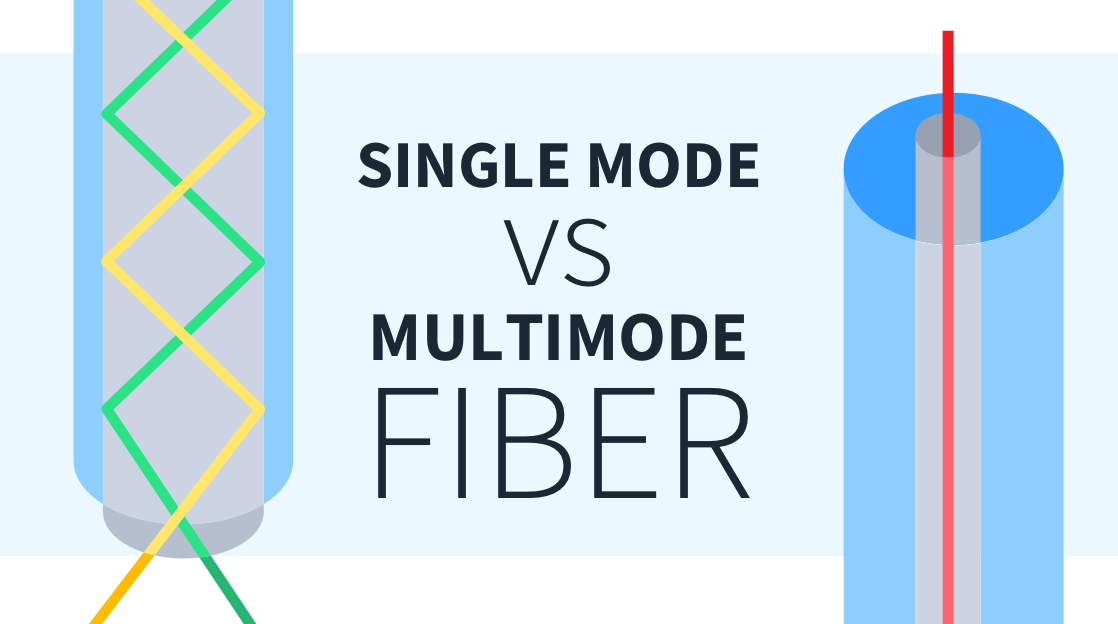
Single-mode and multimode are fiber optic cable types that carry different information. Single mode is superior for long distances, while multimode shines in short distance, high bandwidth applications.
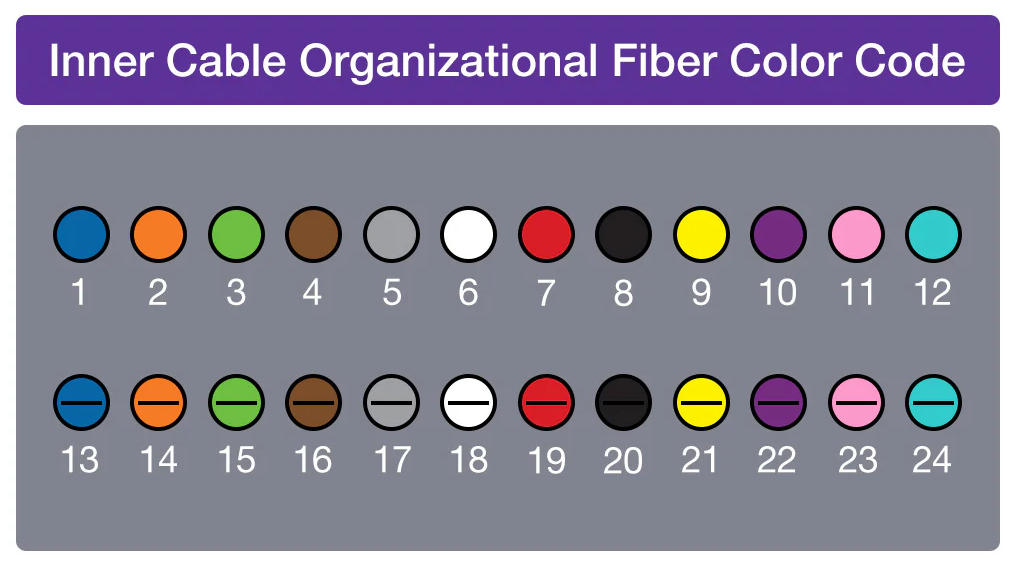
It pays to consider cable specifications, including jacket materials, color codes, and fire ratings, for safe installation and easy maintenance in any environment.
Specialized fiber optic cables such as armored, aerial, submarine, and hybrid cables provide unique advantages for harsh environments or diverse technology requirements.
Factors like attenuation, dispersion, and bandwidth directly impact your network’s speed and reliability, so it is important to fit cable types to your needs.
As you can see, when choosing a fiber optic cable, keep in mind your distance, bandwidth, budget, and future-proofing goals to design a network that suits present and future needs.
The Anatomy of a Fiber Optic Cable
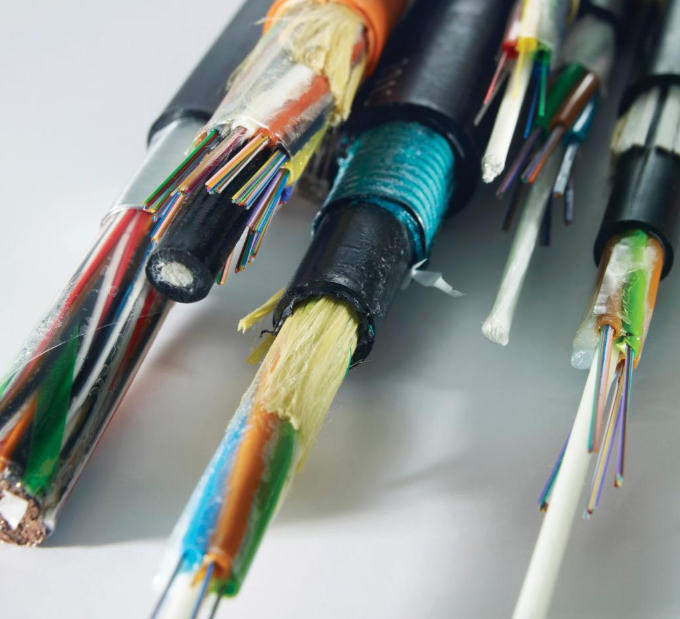
In a typical multimode fiber optic cable, several layers work together to transmit light signals over long distances. The core, cladding, coating, and outer jacket are essential components. These layers not only protect the fiber but also ensure signal integrity, making them vital for high data rates and effective fiber internet performance in challenging environments.
The Core
The core is the center of the fiber optic cable, where light propagates. Its diameter matters a lot. Single-mode cores are about 8 to 10 micrometers wide, while multimode cores are bigger, around 50 to 62.5 micrometers. Single-mode is great for long distance since it allows light to travel a single path with minimal loss. Multimode, with its wider core, permits multiple light paths, which is fine for short distances such as within a building.
Core substance has a lot to do with distance. High-purity glass is the primary selection because it prevents the light from deteriorating. The specific design of the core, like how smooth and round it is, helps to reduce signal loss and maintain speed.
The Cladding
Cladding surrounds the core of the fiber optic cable type. Its primary function is to reflect light back into the core through a refractive index lower than the core, which is crucial for maintaining data transmission speeds. This traps light within, ensuring signals remain robust. The cladding is typically around 125 micrometers in diameter, making the multimode fiber optic cables flexible rather than brittle.
The Coating
The coating, which surrounds the cladding of multimode fiber optic cables, serves as protection against moisture and scratches. Most coatings are flexible acrylic or silicone, allowing the fiber optic cable type to resist abuse during installation. Coating thickness can affect how convenient the fiber is to stuff into tight spaces, safeguarding the cable’s form to prevent snapping or kinking.
The Jacket
The jacket is the outermost layer, shielding it all from dirt, water, and sun. Jackets can be made of various materials, such as PVC or PE, each suited to a specific environment. For outdoor use, thicker jackets prevent water from entering, which can destroy the fiber optic cable type. Jackets commonly employ color codes, single-mode yellow, multimode orange, and special blues, to assist workers in quickly distinguishing multimode fiber optic cables. Oufu (https://oufu-fiber.com/), a trusted cable maker, offers jackets made to fit harsh or custom needs, which makes sorting and routing easier in big jobs.
The Two Main Fiber Optic Cable Types
Fiber optic cables, specifically single-mode fiber optic cables and multimode fiber optic cables, come in two main types. Both serve as the backbone for digital communication, but their differences in design and function inform their global utilization. Single-mode fiber utilizes a very small core, only 9 micrometers in diameter, while multimode fiber’s core is much bigger, either 50 or 62.5 micrometers. This distinction impacts how they handle light and data, influencing decisions based on distance, speed, and cost requirements.
1. Single-Mode Fiber
Single-mode fiber optic cables excel at long distance work due to their small core, which allows light to propagate along a single path. This ensures that the signal remains crisp and loses minimal strength, even over distances of up to six miles, approximately 10 kilometers. Consequently, single-mode fiber is the preferred fiber optic cable type for major assignments like interconnecting data centers, telecom towers, or networks spanning entire cities. With support for speeds up to 10 Gbps, single-mode fiber manages heavy-duty, mission-critical data without missing a beat.
Attenuation signal loss remains low in single-mode fiber. This translates to lower numbers of repeaters, less equipment, and more dependable service over long distances. This fiber isn’t optimal for short distances. The equipment to run single-mode cable is typically more expensive, and the meticulous installation increases the price for smaller networks.
2. Multimode Fiber
Multimode fiber optic cables are designed for high speed over short distances. Their larger fiber core allows light to reflect along multiple paths, making them suitable for lengths up to 300 meters. This characteristic makes multimode fiber a favorite for LAN, campus buildings, and private university or hospital networks. These cables can reach speeds up to 10 gigabits per second, satisfying the transmission requirements of most contemporary offices.
Different cable types exist, including OM1, OM3, OM4, and OM5, which offer even greater reach and higher bandwidth than other multimode fiber optic cable types. For instance, OM3 and OM4 are often paired with laser transceivers, ensuring faster data transmission speeds in data-heavy environments. While multimode fiber cables are more affordable to purchase and install compared to single mode fiber optic cables, they do come with higher attenuation and signal loss over longer distances, making them less suitable for metro-wide connections.
Decoding Cable Specifications
Selecting the correct multimode fiber optic cable is all about reading between the lines of the cable specifications. These specifics let you know how a fiber optic cable type is going to perform, where you can use it, and how durable it’ll be. Factors such as core size, jacket material, color codes, and fire ratings all contribute to making sure your cable suits your task. For example, a multimode core diameter of 62.5 or 50 microns and a single-mode core diameter of 9 microns. The cable’s transmission method and light wavelength, typically at 850 or 1300 nanometers, affect its transmission quality.
Jacket Materials
Material | Main Feature | Typical Use | UV Resistant | Flexibility | Fire Resistance |
|---|---|---|---|---|---|
PVC | Low cost | Indoor | No | High | Moderate |
LSZH | Low smoke | Public buildings | No | Medium | High |
PE | Tough, durable | Outdoor, underground | Yes | Low | Low |
PUR | Chemical proof | Industrial, harsh sites | Some | High | Moderate |
OFNP | Plenum-rated | Air ducts, plenum space | No | Low | Very high |
Outdoor jobs require UV blocking jackets, such as PE, especially for fiber optic cables. Without UV resistance, cables degrade rapidly in the sun, endangering data transmission speeds. Fire-resistant or low-smoke jackets are necessary per safety standards and building codes, particularly in public areas. When picking a jacket, you face a trade-off. Thick jackets provide more protection but reduce bend and flex, while flexible jackets make installations easier but might not last as long in harsh spots.
Color Codes
Color codes are great for anyone working with fiber. They indicate at a glance what type of fiber you’re handling and reduce the potential for confusion during installations or fixes.
Orange: OM1, OM2 multimode
Aqua: OM3, OM4 multimode
Lime green: OM5 multimode
Yellow: Single-mode
Blue: Connectors for single-mode
Beige: Connectors for OM1, OM2
Color coding assists in troubleshooting as well. When an issue arises, you can identify the appropriate cable quickly, reducing downtime and trial and error. It keeps networks tidy as they scale.
Fire Ratings
Fire ratings are most important when installing fiber optic cable, especially when cables run inside walls, ceilings, or in public areas. OFNR (riser-rated) cables are acceptable for vertical shafts, while OFNP (plenum-rated) cables pass rigorous fire tests designed for air ducts and plenums. Using the incorrect fiber optic cable type can break code and compromise safety. Non-rated cables may be cheaper but are not safe in locations with stringent fire regulations. Most importantly, ensure your cable’s fire rating is appropriately matched to where it’ll be installed to protect life and property and comply with code.
Specialized Fiber Optic Cables
Specialized multimode fiber optic cables are notable for their distinctive characteristics designed for harsh or unusual locations. They use different fiber cores: single mode fiber, usually 8.3 or 9µm in diameter, helps send data over long distances without much signal loss, while multimode cores, either 50 or 62.5µm, work well for shorter spans. These fiber optic cable types support higher bandwidth and speed, with OM2 cables maintaining robust performance to 80 meters, and OM3 extending that same throughput to 300 meters. Others support SWDM, which allows multiple signals to travel simultaneously on wavelengths ranging from 850 to 953 nm. Specialized cables exist as well: OFNP, OFCP, OFNR, and OFCR types, each designed for specific environments where fire hazard, airflow, or electrical conductivity is a concern. Connectors can be small, like LC, which is half the size of SC, conserving space in high-density panels.
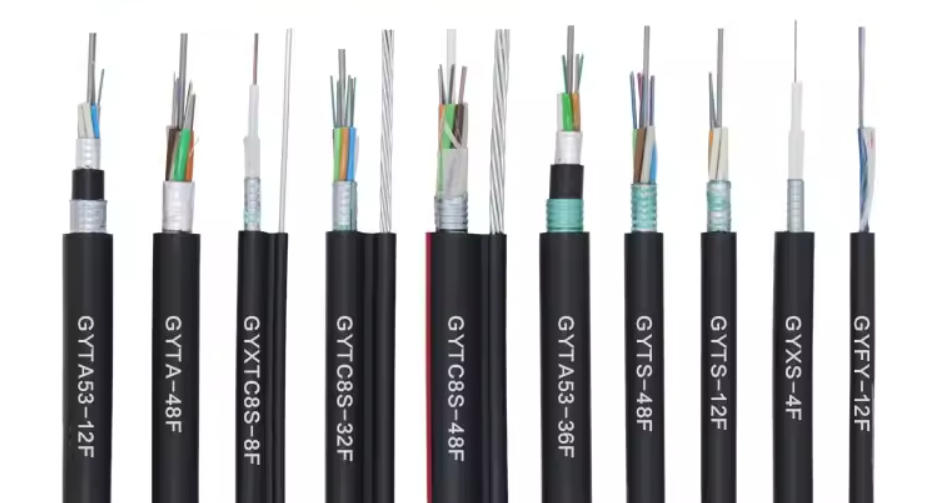
Armored Fiber Optic Cable
Armored fiber optic cables, a robust fiber optic cable type, feature a hardened outer jacket, typically made of steel or aluminum, to protect against crushing, rodents, or kinking. Outdoor gigs or spots where folks might step on cords need these hard-core constructions. While the armor can be heavy, it offers enhanced security for the information traveling within multimode fiber optic cables. Steel armor provides premium strength, and aluminum is lighter for easier pulls, making armored cable an immediate victor in abusive weather or filthy worksites.
Aerial Fiber Optic Cable
Aerial fiber optic cables, such as multimode fiber optic cables, suspended between poles or towers, utilize reinforcing elements of steel or other metal as tensile members. These cables are designed for sun, wind, and rain, featuring UV-resistant jackets that allow them to flex during storms. Elevated in the air, they help avoid the headaches of trenching and cut down on expenses. However, birds, storms, and ice can erode them, making maintenance essential for ensuring reliable fiber network performance.
Submarine Fiber Optic Cable
Submarine fiber optic cables snake beneath oceans and connect continents, transporting nearly all international internet and voice traffic. Constructing and installing these multimode fiber optic cables is hard. Deep water, pressure, and sea floor plate movements require that each cable be armored with multiple layers and waterproof coatings. They reduce latency for information traveling between nations and enable more individuals to go online. New technology, like repeaters to amplify light signals, helps make these cables faster and more durable.
Hybrid Fiber Optic Cable
Hybrid fiber optic cables, which combine multimode fiber optic cables and copper wires in a single jacket, are logical choices in environments requiring both power and high-speed data, such as intelligent buildings or large office complexes. These cables enable teams to run fewer lines, saving space and time. When installing fiber optic cable, you must consider factors like bend, weight, and connector type, as they impact performance. Telecom sites, hospitals, and airports utilize these hybrid solutions for phones, data, and security, making them flexible and functional for modern fiber networks.
Performance Beyond the Core
Fiber optics aren’t just glass cores; they encompass various fiber optic cable types that influence performance. Factors like attenuation, dispersion, and bandwidth determine how effectively multimode fiber optic cables maintain a clear and strong signal at high data rates, impacting decisions for networks both big and small.
Attenuation
Attenuation is the loss of signal strength as light travels through the fiber optic cable type. This loss, measured in dB, is significant because too much loss means the signal won’t reach its destination intact. Light illuminance can drop off due to impurities in the glass, cable bends, or even how fiber optic connectors are mated. Single mode fiber optic cables, with their narrow 9 micron core, have less attenuation than multimode fiber cables, making them frequently chosen for long-haul runs. Insertion loss, or the light lost at any connection, accumulates over distance and can degrade performance.
For quick office runs, a little more attenuation is acceptable. For data centers or main telecom links, the lower the better. With good quality connectors, sensible cable routing and neat splicing, attenuation can be kept within acceptable limits.
Dispersion
Dispersion scatters the light pulses, smearing the information and bogging it down, particularly at higher speeds. There are two main kinds: modal and chromatic. Modal dispersion occurs more in multimode fibers, where various routes allow light to reach at different times. This is why OM1 or OM2 cables, with bigger 50µm or 62.5µm cores, are ideal for shorter links. Chromatic dispersion occurs in singlemode fibers, where slight variations in light’s color can cause spreading over long distances.
To correct dispersion, designers may use specialty fiber types or electronics that scrub the signal. Controlling dispersion is critical to crisp, rapid data, particularly when fiber runs span kilometers.
Bandwidth
Bandwidth is how much can be carried at once. It’s like the width of a highway — wider is more traffic. Different fiber types enable different speeds. OM1 cables can only go up to 10 Gbps over very short runs. OM4 supports a lot more. Bandwidth counts most where a lot of people or machines share the line, such as big campuses and internet backbones.
Those needs only trend upwards, with streaming, cloud and smart tech driving networks to their breaking point. The right cable choice now can help a network keep up later.
Choosing Your Ideal Cable
Choosing the right fiber optic cable type is simply a matter of matching the appropriate technology to your requirements. Different cable types, including multimode fiber optic cables and single mode fiber optic cables, along with connectors and installation standards, can vary so much that it makes it all seem complicated. Your cable should suit your application, environment, and any fire safety or code specifications. Take a look at the main factors to weigh.
Factor | Description | Example |
|---|---|---|
Application | General purpose, riser, plenum, outdoor | Plenum cable for office |
Distance | Max run before signal degrades | Singlemode for 10 km+ |
Bandwidth | How much data you need to move now and later | Multimode for 10 Gbps |
Fire Rating | Meets safety codes (e.g., NEC Article 77 in the US) | Plenum-rated jackets |
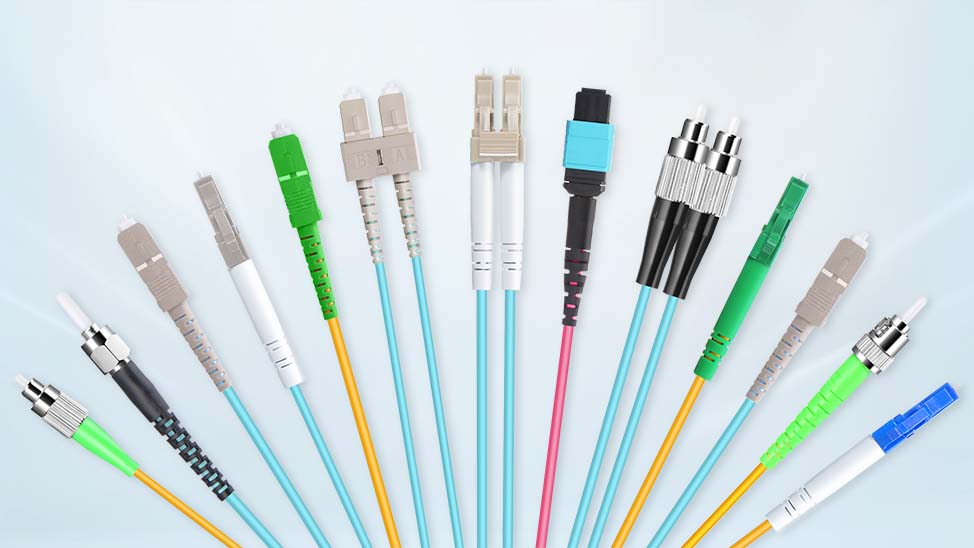
Connector Type | SC, ST, MTP/MPO—depends on devices and density | MPO for high-density |
Installation | Ease, space, flexibility, and route complexity | Armored cable outdoors |
Cost | Upfront and lifecycle expenses | Multimode is cheaper |
Distance Needs
Long runs require singlemode fiber which can transmit up to 40 or more kilometers with little loss. Multimode will suffice for shorter runs, up to 2 kilometers, which is why it’s popular inside of buildings or across campuses. With increased length, signal loss (attenuation) and quality become bigger issues, so you’ll want to minimize connectors and splices.
For super-long runs, such as intercity, you may encounter repeaters or amplifiers placed in the line. Installation for these is more extreme and requires careful planning to prevent kinks and snaps. Singlemode is typically a good fit if you’re configuring a warehouse or multi-building site network.
Bandwidth Goals
Bandwidth is how much data your network can transfer. You need a cable that supports your needs today and provides headroom for expansion. Multimode cables pack a punch by managing up to 100 Gbps over short distances, making them perfect for bustling offices or data centers.
For instance, if you operate a cloud service, stream a lot of video, or want to scale upwards, singlemode can handle even faster speeds over longer distances. For home or small office, multimode may do the trick, but consider what you will require in five years, not now.
Budget Reality
Budget is a real-world constraint, so maximize value without compromising. Multimode cables are typically less expensive initially and simpler to install on short runs. If you require long-term reliability, singlemode may save you money down the line since you’re less likely to need upgrades.
Select cables with the appropriate fire rating and jacket for your area. Occasionally, a little more invested in quality pays off headaches and dollars down the road. Don’t forget connectors, installation, and future changes. Cost-effective fixes now may be more expensive later.
Future-Proofing
A future-proof network is designed to evolve. Select cables that will support greater speeds, additional connections, or new devices down the road. Scalability is important, particularly as tech continues to evolve. Modular connectors like MTP/MPO simplify upgrades.
Emerging tech, like faster Ethernet or new optical standards, could signal you will need more from your cables in a few years. Opt for flexible solutions that evolve, and you will be prepared for what is next.
Conclusion
Fiber optic cables are not all the same and come in many types, each made for a job. Single-mode lines transmit light a long way and are great for large networks. Multi-mode cables are apt for short runs in offices or schools. Specs such as core size and speed go a long way to helping you match a cable to your setup. Certain cables combat heat, water, or crush, so they hold their own in extreme locations. The proper selection minimizes attenuation and maintains high-speed networks. They’re used by people at home, in labs, and even beneath oceans. To get the optimal connection, see what your area requires. For real stories, try listening to people who are on fiber’s front line every day. Contact the pros, contribute your tips, and join the discussion.
Frequently Asked Questions
What are the two main types of fiber optic cables?
The primary fiber optic cable types are single-mode and multimode fiber optic cables. Single-mode fiber optic cables are designed for long distances, while multimode fiber cables are suited for shorter distances.
How do single-mode and multi-mode fiber optic cables differ?
Single-mode fiber optic cables feature a tiny core, allowing them to transmit a single light signal over long distances. In contrast, multimode fiber optic cables, with their larger core, efficiently handle multiple light signals, making them ideal for short-range data transmission.
What is the core of a fiber optic cable made of?
The core of a multimode fiber optic cable is typically glass or plastic, allowing it to transport light signals that convey data at blazing-fast speeds.
What are specialized fiber optic cables used for?
Specialized multimode fiber optic cables are intended for particular environments, such as underwater applications, severe weather, or industrial areas, providing additional protection or flexibility as required.
How do I choose the right fiber optic cable for my needs?
Consider factors like distance, environment, bandwidth, and data type. Single-mode fiber optic cables are perfect for long-distance transmissions, while multimode fiber optic cables excel in short-range, high-capacity connections.
What do cable specifications like “OM3” or “OS2” mean?
These terms describe the characteristics and variety of fiber optic cable types. OM refers to multimode fiber optic cables, while OS denotes single mode fiber optic cables, with higher numbers generally indicating higher performance or newer standards.
Why is the jacket material important in fiber optic cables?
The jacket shields the multimode fiber optic cable from physical harm, moisture, and chemicals, ensuring long-lasting durability and protection in various environments.