With these fiber optic color codes in your arsenal, you’ll never confuse your cables again. This keeps your installations smooth and efficient.
Standardized outer jacket, buffer tube, individual fiber and connector color codes simplify cable handling and promote safety in any setting.
Adhering to worldwide standards such as TIA-598 and IEC 60304 guarantees consistency and dependability in both domestic and international endeavors.
With the right training, documentation, and a little on-the-job mnemonic magic, technicians can more easily recall and implement color codes in practice.
By adjusting to regional differences and keeping up with changing standards, you will ensure smooth cooperation in international telecom work.
Adopting new technologies and automated systems can enhance precision and productivity in fiber identification as networks expand and evolve.
Fiber optic color codes are standard color markings used to identify individual fibers and cables in fiber optic systems. These codes assist techs in differentiating one fiber from another, maintaining order, and minimizing confusion during installation and maintenance. Generally speaking, you will find that fiber optic color codes are almost always a palette of 12 colors in a predetermined order so that resting an eye on a bundle can immediately identify each strand. Big projects, such as data centers and large networks, rely on these color codes to keep things running smoothly and safely. If you are new to fiber optics, working with your hands is a lot less bewildering when you know these colors. The meat of this post dissects the primary color code regimes and provides hacks for simple employment in actual work.
Decoding the Fiber Optic Color Spectrum
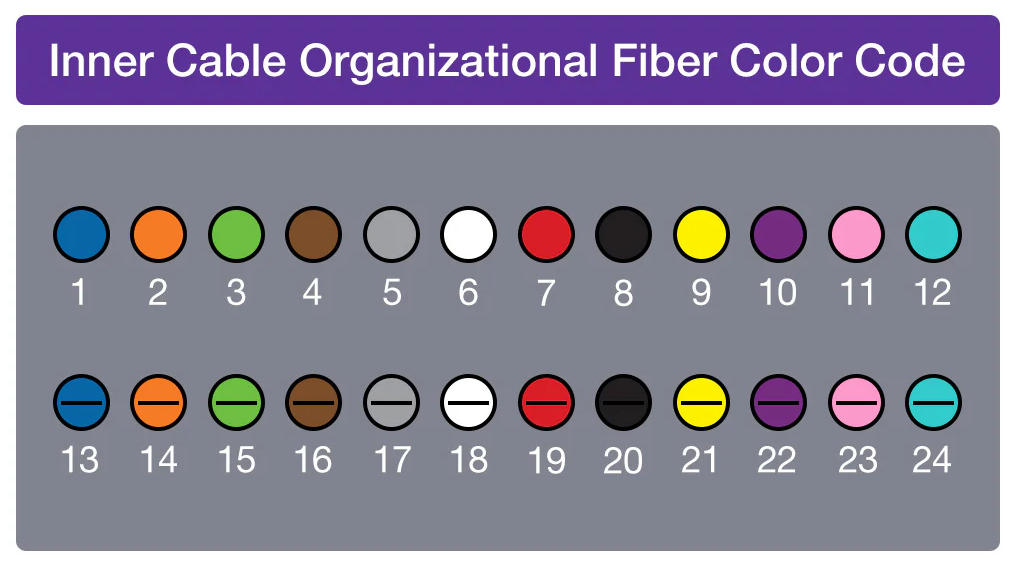
Decoding the fiber optic color code spectrum makes it easier for people to visually identify fiber optic cables, connectors, buffer tubes, and individual fibers, facilitating the tracing or repair of lines. Most of the world follows the TIA-598 standard, which lays out 12 standardized colors: Blue, Orange, Green, Brown, Slate, White, Red, Black, Yellow, Violet, Rose, and Aqua. With these fiber color codes, squads can reduce confusion, accelerate tasks, and maintain fiber optic networks flowing.
1. Outer Jacket
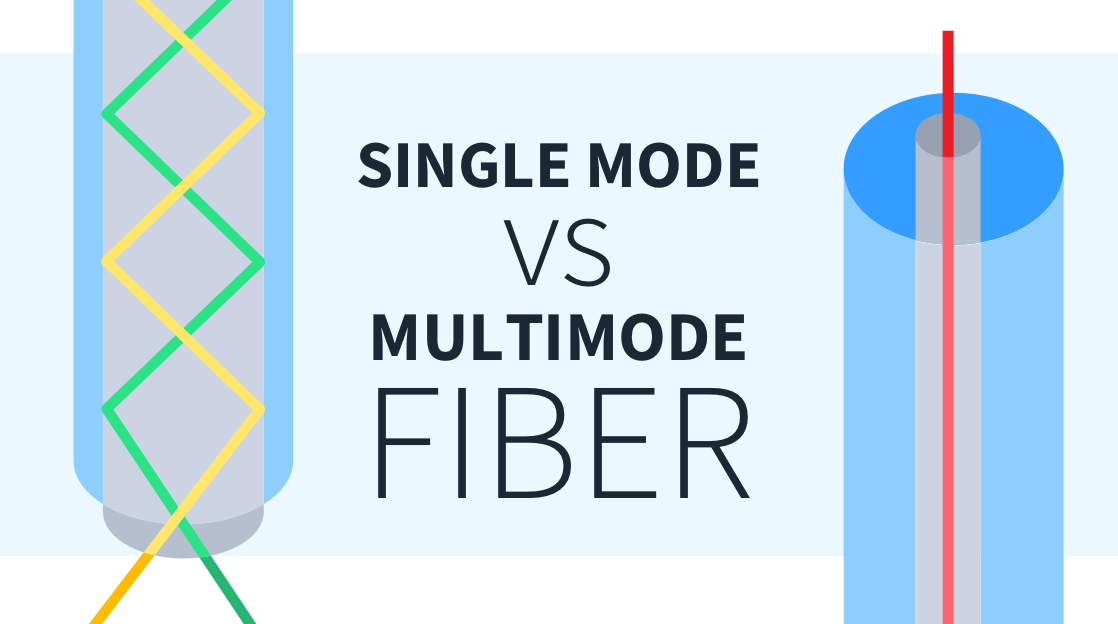
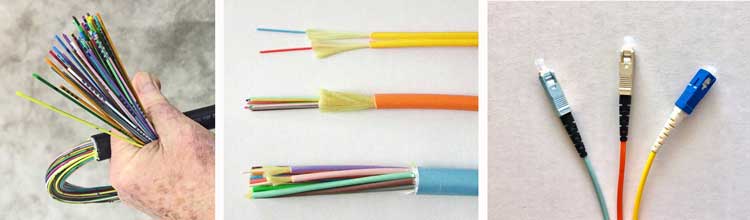
Turns out the fiber optic color code spectrum is more than you imagined. Yellow represents single-mode, while orange or aqua indicates multimode fiber. With these international standards, it’s easier for installers to choose the correct colored fiber cable for indoor or outdoor applications, eliminating guesswork! Just like plenum, riser, or outside plant cables, all have their own cable jacket colors. Teams leverage these colors to adhere to safety regulations and regional codes. Having a fiber color chart handy makes network mapping and troubleshooting a snap, ultimately saving hours in the field.
2. Buffer Tubes
Encased within the outer jacket color, buffer tubes bundle and protect fibers. Each tube is assigned a color from the same 12-color palette, which aligns with the fiber optic color code, enabling technicians to identify the beginning and end of a bundle. They repeat after 12 tubes, so even giant fiber optic cables stay organized. This is particularly useful on splicing projects. Knowing which buffer tube you’re working with is a game changer. Many techs rely on apps or printed cheat sheets to remember the cable identification, which helps keep error rates down and work moving fast. If you deal with a large blend of fibers, then a buffer tube color chart is essential.
3. Individual Fibers
Each fiber optic cable in a cable run is assigned an individual color, beginning with blue and continuing through aqua. For cables that exceed 12 fibers, the fiber color code repeats. Sometimes a fiber strand receives a stripe for easy identification. Having a fiber color chart simplifies locating the proper fiber quickly, which is essential for repairs or upgrades. This standardized color coding translates to fewer errors and less downtime, aiding in recordkeeping since you can note the color instead of a lengthy serial number.
4. Connectors
Connector tips are identified by specific colors; for instance, blue signifies UPC, green indicates APC, and aqua is associated with OM3 multimode fiber. Utilizing a color code standard for connectors minimizes mismatches and accelerates installations. By adhering to these fiber optic color codes, your team can work confidently, ensuring that the correct color code at the plug prevents costly tangles, regardless of the project’s scale.
Why Fiber Optic Color Codes Matter
Fiber optic color codes play a crucial role in fiber optic networks, making fiber management easy and efficient. Installers and technicians worldwide trust these standardized color codes for rapid and precise work. Whether constructing a new network or troubleshooting issues, the fiber optic color code keeps everything organized and easy to track. Standards like TIA-598C and CENELEC EN 50173 ensure alignment among all parties, reducing errors and accelerating troubleshooting while allowing new fiber optic cables to integrate seamlessly.
Installation
Color codes provide a clear road map for correct installation. With each fiber indicated by a distinct color, it becomes far simpler to pair up cables and connectors correctly. This reduces errors, particularly in large-scale construction with numerous cables. For instance, if you’re in a data center, using different colors for different lines means your teams won’t cross connections.
A checklist can help:
Confirm colors match the plan before starting
Double-check each cable as it’s run
Label both ends with the right color
Review the work at every step
Save records for future changes
Teams must be trained on color codes. When we all recognize the colors, installation moves quicker and there are fewer issues down the line.
Troubleshooting
When issues arise, color codes make it simple to locate the correct fiber. No more tracing a cable by hand. Simply follow its color. This is a huge assist when you have dozens or even hundreds of cables compressed together.
Steps for a troubleshooting guide:
List common issues and matching color codes
Mark fibers and connectors with colored tags or labels
Document solutions for each color in a log
Train staff to use color as their first check
Techs can swiftly unplug the correct cable or patch the correct location, reducing downtime and costs.
Safety
Safety is paramount with fiber optics. Color codes avert catastrophic mix-ups, such as plugging into the incorrect port or disconnecting a lifeline. If the colors are incorrect, someone could do something that causes eye damage or equipment damage.
Teams need to understand what each color signifies and why it is important. Color-coding every safety procedure keeps people vigilant and cautious. With the right colors, even a rookie tech will notice a bad connection prior to the trouble it invites. Companies like oufu, with their focus on custom cables, follow these standards to make sure their products are safe and simple to use.
Global Color Coding Standards
Fiber optic color codes serve as the foundation of effective communication and seamless collaboration worldwide, ensuring easy identification of fiber optic cables. These color code standards allow everyone in the field — from installers to network planners — to read a cable’s information at a glance. With multiple cables and connectors present in buildings and cities, having a universal set of guidelines is critical. They reduce errors, accelerate repairs, and enable teams to collaborate globally. The general standards are TIA-598 and IEC 60304, but local standards may also apply.
TIA-598
The TIA-598 standard serves as the foundation for fiber optic color codes, particularly in North America. This standard specifies a 12 color sequence for the first 12 fibers in a cable: blue, orange, green, brown, slate, white, red, black, yellow, violet, rose, and aqua. For cables with more than 12 fibers, the fiber color code repeats in the same sequence, usually in groups of 12. This organization keeps cables with thousands of fibers neat and manageable. TIA-598 addresses not only the inner fibers but also the cable’s outer jackets and connectors. For instance, single-mode cables typically feature a yellow jacket, while multimode cables may have orange, aqua, or even lime green jackets based on fiber type and speed. These choices are not merely aesthetic; they lead to quicker diagnostics and more secure maintenance.
Companies often use TIA-598 as a baseline to develop their own internal color code standards, facilitating easier training and daily operations. Training personnel to adhere to TIA-598 standards significantly enhances network stability and security. When everyone comprehends what each color signifies, the potential for mix-ups diminishes, leading to faster repairs and improved cable identification across fiber optic networks.
IEC 60304
IEC 60304 establishes the world stage for fiber color coding, particularly beyond North America. Its standards assist international crews to speak the same ‘color language’ when installing or repairing fiber. Global Color Coding Standards compared to TIA-598, IEC 60304 takes a similar approach, but the actual colors and their order are occasionally different. Both strive for clarity, but being aware of what local standards demand is savvy—particularly for cross-border projects.
IEC 60304 can keep large projects tidy, enabling teams across borders to steer clear of chaos when collaborating on shared grids. Fiber installers and planners should know key topics when training with IEC 60304:
Color sequence for fiber identification
Differences between single-mode and multimode jackets
Connector color codes
Marking rules for cables with more than 12 fibers
Safety and troubleshooting tips
Regional Variations
Not all countries adhere to a single color code standard. Certain areas may adjust the fiber optic color code sequence or apply additional indicators to comply with local regulations. For instance, Asia-Pacific countries could have minor variations in cable jacket colors or connector types. Sometimes project specifications or local standards necessitate alterations to the standardized color codes. If you’re part of an international team, it’s crucial to check the local guidelines before starting a job, as mistakes can be costly.
Maintaining records of your fiber color codes for each project is a wise practice, especially when working for a global company. Documenting these specifics allows engineers to navigate between locations without confusion. Teams appreciate learning about these regional differences, as this fosters trust and helps prevent bottlenecks on collaborative projects, particularly in fiber optic networks where clarity is key.
Standard | Color Sequence (First 12 Fibers) | Jacket Colors (Type) | Connector Colors |
|---|---|---|---|
TIA-598 | Blue, Orange, Green, Brown, Slate, White, Red, Black, Yellow, Violet, Rose, Aqua | Yellow (SM), Orange/Aqua (MM), Lime Green (OM5) | Blue (PC SM), Green (APC SM), Beige/Black/Aqua (MM) |
| IEC 60304 | Blue, orange, green, brown, grey, white, red, black, yellow, violet, pink, aqua | Similar but may differ locally | Similar with local differences |
Common Mistakes and Consequences
Fiber optic color codes serve as a backbone for organization, accuracy, and efficiency in network projects, particularly in fiber optic networks. Understanding the fiber color code helps avoid confusion, downtime, and expensive repairs, ensuring easy identification of different types of cables, from small office networks to massive data centers.
Misidentification
Mistakenly cutting fiber optic cables causes network downtime. In data centers with thousands of fiber strands, a basic identification error can translate to hours of downtime and lost revenue. When teams employ non-standard fiber color codes or get the TIA/EIA-598-C sequence confused, they encounter interoperability issues and additional time spent hunting down the correct cable. Confusion between single-mode and multimode fibers can cause you to use the wrong equipment, which can fry hardware or ruin signal quality. A good way to prevent this is by using a color code standard as a primary means of identification and training all personnel on what each color signifies. Teams that train for accuracy and double-check their work experience fewer misidentification cases and foster a culture of precision.
Splicing Errors
Splicing mistakes usually arise from mismatched or shoddily marked fibers, particularly when using fiber optic color codes. Absent a firm color code standard, techs can cross-connect the wrong fibers, causing failed connections and squandered materials. A good splicing guide should never use the wrong color sequence, especially in ribbon fiber designs, where dozens of fibers abut each other. Color-coded markers can assist during splicing as an immediate visual control for the correct connection. Best practice means testing each splice against the fiber color code prior to sealing up the joint, as mistakes might sound trivial but can lead to massive headaches down the line.
Network Downtime
The wrong fiber color code is the number one culprit for preventable network downtime. When fiber optic cables are mislabeled or undocumented, maintenance crews waste time, spending extra hours tracing and testing, which delays necessary repairs or upgrades. The cost can be enormous, both operational and financial, particularly for mission-critical services. Proactive measures, such as comprehensive labeling and current documentation of cable identification, assist in minimizing this risk. Response plans for downtime should include rapid methods of locating and repairing misconfigured fibers. Technicians trained to detect and repair these mistakes keep networks humming and stave off costly downtime.
Mastering the Color System
Fiber optic color codes are an international language of cable wrangling, essential for easy identification of fiber types. They enable technicians to distinguish each fiber optic cable, which is crucial when one line can contain dozens, even hundreds, of tubes. TIA/EIA-598-C is for North America, CENELEC EN 50173 is for Europe, and IEC 60304 is for Asia. Regardless of where you are, knowing the regional color code standard is vital. The 12-color order—Blue, Orange, Green, Brown, Grey, White, Red, Black, Yellow, Violet, Rose, and Aqua—organizes the chaotic realm of fiber. Once you go beyond 12 fibers, the colors cycle again, usually with stripes or other indicators, facilitating the management of even humongous bundles. Mastery of these codes accelerates matching, splicing, and troubleshooting, reduces errors, and makes future upgrades a breeze.
Mnemonics
Technicians rely on mnemonics to recall fiber optic color codes and color sequences. One popular mnemonic is “Big Old Gorillas Bake Good With Red Berries, Yet Very Rarely Attack,” where the first letter of each word corresponds to the cable identification color sequence. Others like to modify these lines or come up with their own, helping to make them more memorable when stressed. Custom mnemonics tend to cling better, particularly for visual or auditory learners. In practice, swapping various mnemonic tricks allows the entire squad to learn the order of fiber types more quickly.
Documentation
Good documentation is more than a checklist; it’s a lifesaver when dozens of fiber optic cables run simultaneously. With fiber color codes in standard templates, tracking every installation becomes easier, allowing technicians to note which color code is in action. They can review these records in seconds when doing repairs or installing new connections. Having both computer and print versions ensures no one is left in the dark. Updates count, as standards change, so should the docs, keeping everyone aligned.
Practical Training
Immersive training animates the fiber optic color code system. Dealing with actual cables, organizing and color coding in mock configurations makes knowledge stick. In group practice, team members bounce tips and catch mistakes. Role-play scenarios drive apprentices to fix things in real time, such as tracking a fiber optic cables in a busy tray. Training then test checks all of your members’ skills, ensuring no one walks away with holes in their knowledge.
The Future of Fiber Identification
Fiber identification is going through a revolution. The fiber optic color code, such as TIA-598-C, continues to set the foundation for efficient cable identification. These codes prevent field techs from mix-ups and splicing errors as networks expand and become more complex. Out in the trenches, those tiny lines and colors on a fiber represent the difference between a clean repair and hours wasted chasing a single strand among thousands. What’s next is more than just new colors or patterns.
New tech is shaking things up. Be it 25G PON or OM5 multimode fibers, they demand smart, adaptable methods to differentiate between each other. High-count cables, stuffed with dozens of buffer tubes and bundles, drive the fiber color code schemes to their maximum. Now, with binder yarns or color-coded tubes, you can more easily identify the correct fiber even when the cable resembles a mini rainbow on the inside. Ribbon fibers and MPO cables are climbing as well, adding an additional rule for marking and matching.
Here, automated tools are stepping in to assist. Smart testers can scan and check fiber IDs quicker than any human eye ever could. Others employ digital tags or QR codes, making those colors data scannable by machines. These tools assist in reducing mistakes, accelerating projects, and ensuring nobody is guessing which fiber type to splice. This is crucial for large work, where one error can take down an entire segment of a city’s fiber optic networks.
Industry trends indicate additional modifications. As networks become more dense and faster, the pressure increases for improved ID. Groups around the world seek to update standards, so wherever you work, a green or blue fiber means the same. This makes it easier for teams on the ground and in offices worldwide to collaborate without bewilderment.
The demand for transparent, convenient fiber color codes won’t disappear. As networks migrate and technology advances, these codes need to follow suit. Making them even simpler and smarter ensures that anyone, anywhere, can locate the right fiber every time.
Conclusion
Fiber optic color codes color the workdays of tech crews and builders. Each color represents a work, a route, a signal. No guesswork, no confusion. These codes save time and prevent expensive mistakes. A blue fiber in Tokyo or New York has the same meaning. That’s the true strength of a worldwide code. Folks who understand these conventions get things done quicker, troubleshoot quicker, and maintain connections that much stronger. The world changes fast, and fiber systems stay abreast with snappy color codes. To be on top, keep studying these fiber optic color codes, watch for mix-ups, and pass hints along! Anybody can learn it. Have a story or tip about fiber color coding? Leave your comments and get into the conversation!
Frequently Asked Questions
What are fiber optic color codes?
Fiber optic color codes are essential rules for color coding fiber optic cables, fibers, and connectors, facilitating easy identification and sorting of different fiber types during installation and repair.
Why are fiber optic color codes important?
Fiber optic color codes prevent confusion in fiber connections, simplifying the identification of cable types for effective network serving and scaling.
Are there global standards for fiber optic color coding?
Yes, there are international standards like the TIA/EIA-598 and IEC 60304, which establish fiber optic color codes for easy identification of fiber types and cable jacket colors around the world.
What happens if the wrong color code is used?
Wrong fiber optic color code? It can cause expensive repairs and safety hazards.
How can I master fiber optic color codes?
Frequent training, reference charts, and hands-on practice work ensure easy identification of fiber optic color codes.
Do color codes vary by region or country?
Most countries have similar standards, with some small variations. ALWAYS consult local and global standards prior to commencing work.
Will fiber optic color codes change in the future?
While fiber optic color codes may evolve with new technologies, the fundamental standards for fiber optic cables will remain essential for easy identification.