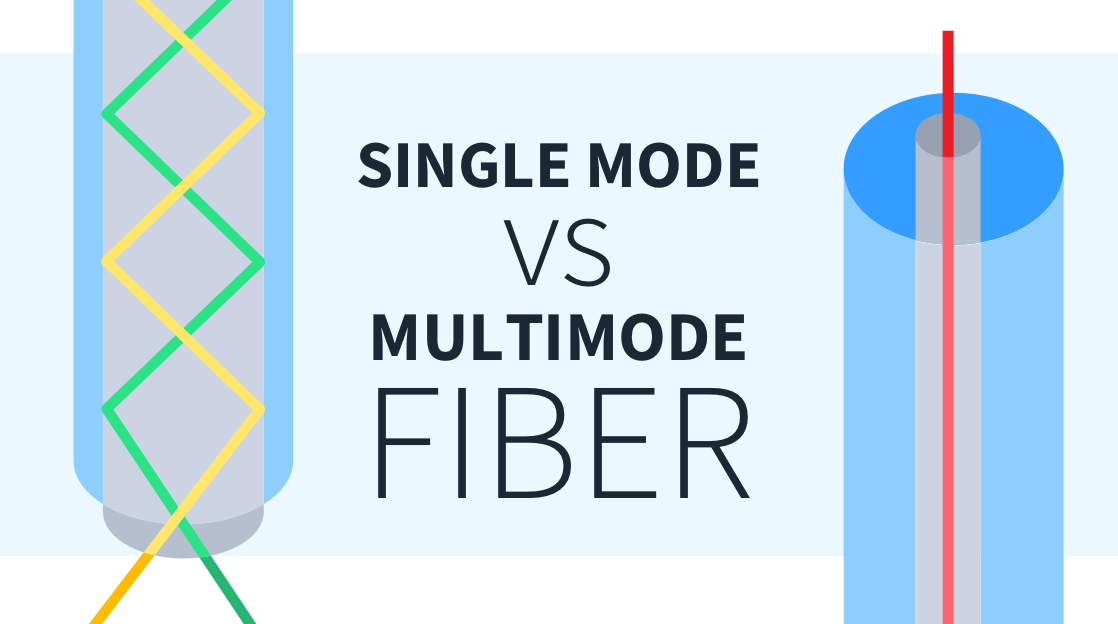
Knowing what makes G652D, G657A1, and G657A2 fibers unique allows you to choose the right solution for your network’s needs, whether it is cost, flexibility, or performance.
G657A1 and G657A2 provide enhanced bending resistance, perfect for installation in confined or intricate areas. G652D is optimized for conventional long-haul paths.
Attenuation and dispersion characteristics directly affect signal quality and transmission distance, so aligning fiber type to your bandwidth and distance needs is critical.
Mechanical design and durability are factors in fiber longevity, too, particularly in harsh environments. Selecting rugged fibers diminishes danger during deployment and running.
Price variations among fiber types matter not only for upfront costs but also for total cost of ownership over time.
Always consider your installation environment, long term upgrade plans, and consult with professionals to ensure the fiber you select will serve your network’s scalability and reliability for years to come.
These types of single mode fiber, including G652D, G657A1, and G657A2, reveal some differences in light propagation and bend resistance. G652D shines as the classic for long haul links, delivering consistent attenuation across broad distances. G657A1 provides superior bend strength to be suitable for confined spaces without significant signal loss and closely follows G652D’s key characteristics. G657A2 takes top bend strength a step further and shines in tight spaces like home networks or small office runs. Fiber installers account for these types for needed reach, bend strength, and spot when planning fiber installs. The following sections dissect their specs and applications to assist you in finding the appropriate choice for various configurations.
G652D vs G657A1 vs G657A2
G652D vs G657A1 vs G657A2 account for over 90% of all single-mode fibers currently deployed worldwide. All three have the same 9 μm core and 125 μm cladding, but they’re engineered for different requirements. G652D is the workhorse for long-haul runs and G657A1 and A2 excel in cramped closets.
1. Bending Performance
G657A1 and G657A2 fibers are designed to bend tightly. G657A2 takes pride in its 7.5 mm minimum bend radius. G657A1 comes next at 10 mm. G652D requires 30 mm or more. This means G652D is not good in cabinets or corners where sharp turns can break the fiber or lose signal.
Bend-insensitive fibers such as G657A2 maintain signal strength even when coiled around tight bends, which is why they’re a preferred choice for patch panels, FTTH, and densely packed racks. In locations such as apartment complexes or office highrises, cables weave their way through tight conduits, an environment where G657A2 is less prone to break.
2. Attenuation Levels
All three fiber types keep loss low: attenuation is less than or equal to 0.35 dB/km at 1310 nm and less than or equal to 0.20 dB/km at 1550 nm. This low signal loss lets you send data farther without repeaters, which is essential for both long-haul and in-building networks.
G657A2 differentiates itself when bends are tight. It controls loss from sharp bends. That offers greater design flexibility for installers in tight spaces.
For high bandwidth jobs, think streaming, cloud apps, or enterprise data. Low attenuation keeps things crisp and quick, especially over distance.
3. Dispersion Properties
Chromatic dispersion is how light pulses spread out as they travel. All three have similar dispersion at 1310 nm and 1550 nm, so they are trustworthy for most telecom requirements. G652D, due to its marginally greater MFD, is slightly better for long runs.
When speed and distance matter, data centers or backbone networks, say, uniform dispersion preserves signal integrity. G657A2’s tighter bends don’t impact dispersion, so you get consistent speeds even in smaller configurations.
4. Mechanical Design
G652D employs a traditional design, ideal for open areas and uncomplicated cable paths. G657A1 and G657A2 add special coatings and core tweaks to manage increased strain and prevent cracks during hard pulls or bends.
G657A2’s rugged construction allows it to survive longer in tough configurations. It is more resilient and less likely to snap when squeezed through tiny ducts or pressed down by heavy loads.
Installers typically choose G657A2 wherever the potential for damage is significant, such as in outdoor cabinets or tight conduits. A robust design leads to less maintenance and less downtime.
5. Cost Implications
G652D is typically the least expensive due to its easier construction and huge market. G657A1 and G657A2 are more expensive in the beginning. In locations where bending is inevitable, that increased cost can pay for itself in labor savings and lower downstream repair costs.
Each fiber’s price is a factor of its materials, design and how rugged the construction is. Selecting the correct one isn’t just about price tag; it’s about value. Companies like oufu help by offering custom cables that fit both budget and needs, making it easier for networks to stay reliable without breaking the bank.
Matching Fiber to Application
Selecting the perfect single mode fiber comes down to matching where and how the cable will run, what your network has to support, and the type of space you’ve got. Each one, G652D, G657A1, and G657A2, serves a unique purpose, and selecting the appropriate one frequently determines network robustness, price, and practical application.
G652D suits best when you need solid, long-haul links or backbone builds. This fiber plays well across large telecom networks, metro grids, and campus-to-campus links. Its minimum bend radius is 30 mm, requiring slick, sweeping turns, which are perfect for underground ducts and open trays but not confined areas. G652D shines where you want low cost and proven performance.
If your project spans kilometers and requires consistent speed, this fiber’s low dispersion and attenuation rates of less than or equal to 3.5 picoseconds per nanometer per kilometer at 1310 nm and less than or equal to 0.35 decibels per kilometer at 1310 nm assist in driving more data with less loss. It is not designed for sharp corners or small rooms, but for distance and reliability, it is a solid choice.
G657A1 occupies the middle ground. It bends tighter than G652D, down to a 10 mm radius, so it’s easier to install in tight ducts or around corners in office buildings. G657A1 frequently ends up in FTTx backbone deployments, smart buildings, or locations where both performance and a bit of flexibility are important. It matches with G652D so you don’t have to replace your entire system if you want to upgrade a few runs. It carries a slightly higher price but offers moderate installation simplicity, so it’s an excellent option for hybrid or expanding networks.
G657A2 shines in tight quarters, like microducts or dense data centers. With a bend radius as small as 7.5 mm and bend loss less than or equal to 0.2 dB at 1550 nm, it goes wherever cables have to twist and turn. This includes FTTH indoor wiring, rack after rack of gear, or IoT setups in tightly packed buildings. If you need to snake fiber through walls or around sharp bends, G657A2 is the flexible friend you need! It’s a little more expensive, but the space and labor savings add up quickly, particularly for dense urban environments or retrofits.
Bandwidth determines fiber selection as well. If your network has to be both fast and low loss, look at fibers with low dispersion and attenuation. For dense, high bandwidth requirements in tight spaces, G657A2 works perfectly. For longer, straighter runs with less concern for bends, G652D still reigns supreme.
Installation and Network Integration
Single mode fiber installations require particular care, particularly when dealing with G652D, G657A1, and G657A2. Each fiber has its advantages, so choosing the best one depends on your project’s design, budget, and long-term requirements. In long-haul networks, G652D works great due to its low attenuation per distance. In space-constrained buildings, G657A1 and G657A2 are the stars because of their bend-insensitive attributes. Installation and Network Integration – Compatibility with your existing infrastructure matters too. Because all three have a 9 μm core and 125 μm cladding, typical connectors and splicing gear generally function across the board. Bend performance and mechanical handling vary, influencing installation decisions and long-term network robustness.
Splicing Together
Fusion splicing continues to be the preferred method for splicing G652D, G657A1, and G657A2 fibers. It provides a direct glass-to-glass interface, which minimizes signal loss. When splicing dissimilar fibers together, such as G652D to G657A2, technicians must align within the core. This helps keep splice loss down and avoids weak spots in the network.
One challenge stems from the subtle differences in how each fiber handles bends. For example, G657A2 can undergo a 7.5 mm bend with very little loss, whereas G652D loses more signal at bends less than 30 mm. To achieve low splice loss, maintain clean splices and operate calibrated machines. Always test each splice for loss before proceeding.
Connector Choices
LC, SC and FC connectors do nicely with all three fiber types as their core and cladding sizes correspond. Standard connectors ease parts swapping or upgrades, which comes in handy if the network expands. A bad connector fit can cause loss and reflections, damaging performance and reliability.
Use LC connectors for high-density patch panels.
Choose SC connectors for legacy or lower density racks.
Opt for angled connectors (APC) when back reflection is an issue.
Ensure your match connector polish (UPC or APC) to the transceiver specifications.
Handling Nuances
G652D fiber is fragile too in terms of installation, requiring a much larger bend radius of a minimum of 30 mm to prevent the loss of signal. G657A1 and G657A2 are far more robust in those hard-to-reach places, with G657A2 accommodating 7.5 mm bends, which is great for those challenging indoor paths. Still, jarring or sharp bends can break any fiber, so always employ adequate supports and bend guides.
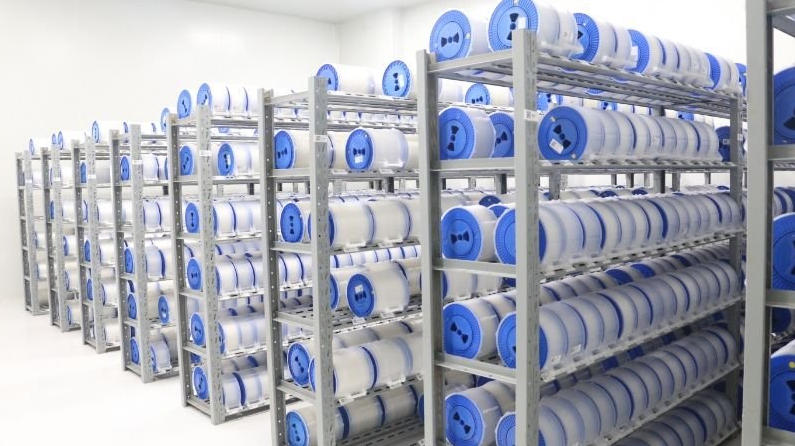
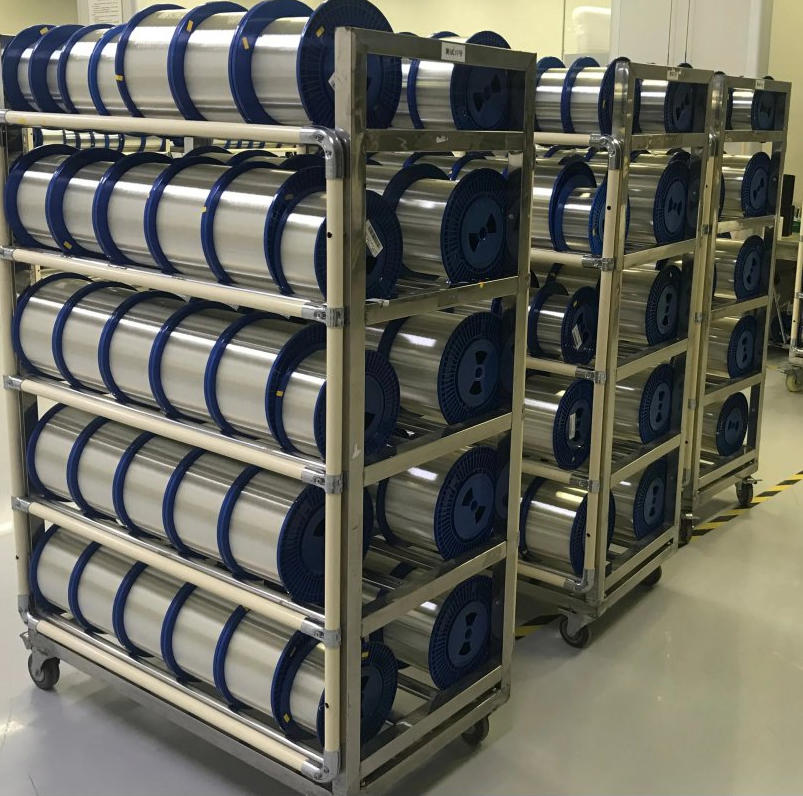
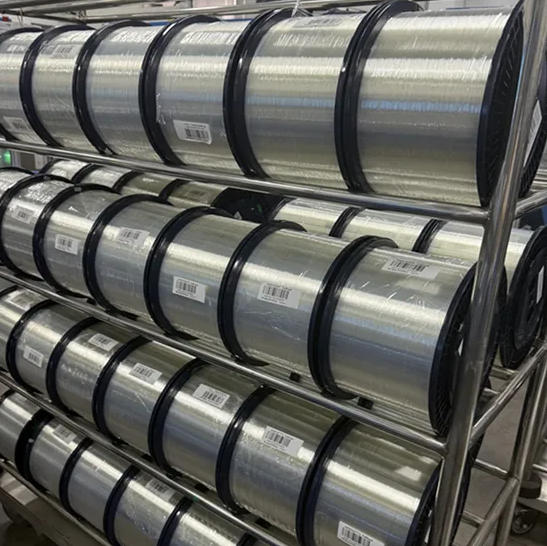
Stack all fiber reels upright on flat surfaces. Use dust caps to protect cable ends and never stack heavy objects on fiber reels. Teach staff to identify each fiber’s handling requirements and utilize bend-insensitive patch cables for bends in tight spaces. You’re developing a more robust and enduring network.
Beyond the Datasheet
Choosing the proper single-mode fiber is more than datasheet deep. Real world conditions, user needs and network plans all inform the decision. G652D, G657A1 and G657A2 fibers all possess their own characteristics that influence their worth well beyond academia.
Real-World Durability
Durability almost always comes up in fieldwork or in a challenging climate. G652D fibers, designed for long-haul and outdoor paths, can withstand broad temperature fluctuations and intense sunlight. They’re a sure thing for open-air venues or along city borders. G657A1 and G657A2, which, though more at home indoors, stand up to daily abrasion. Their strong suit is locations where tight spaces and crush-resistant low bends are paramount.
Humidity and heat can gradually degrade even the finest fiber, causing micro-cracks or water seepage. One urban installation experienced several months of high humidity. G657A2 withstood tight shafts with ease, while G652D installed on rooftops yellowed far less over time. For tough configurations like tunnels or rooftops, choosing a rugged fiber type is essential to keeping those future repair costs low.
Long-Term Signal Integrity
Signal loss creeps in over years, not days. G652D stands its ground over distance, with attenuation and dispersion tamed. G657A1 and G657A2, with their tighter bend specs, perform well in close quarters without dramatic losses in signal strength, even if the cable bends sharply around corners.
Aging and extrinsic stress can increase loss rates. With routine audits and solid splicing, hybrid networks mixing G652D and G657A1/A2 have maintained a robust signal. Automated monitoring catches dips in advance, allowing teams to replace defective segments prior to user exposure. A few builders are employing them to monitor signal health in congested office towers.
Upgrade Path Flexibility
Networks have to expand as new technology arrives. G652D is destined to shine in WANs that might add more routes or higher speeds down the road. G657A1 and G657A2 excel where space is limited, but upgrades remain probable. Both types splice easily, so if a network begins life with G652D and later requires tighter bends, augmentation with G657A1 or A2 is straightforward.
One city optimized its metro network by splicing existing G652D with new G657A2 runs in congested downtown regions. Not a complete rewiring was required—just some thoughtful splicing and planning. It demonstrates the virtue of planning and selecting fibers that stretch with tomorrows.
Environmental Performance Factors
For single mode based, such as G652D, G657A1 and G657A2, environmental performance factors are great contributors to performance and longevity. These fibers frequently find themselves somewhere where heat, cold, water, or chemicals alter their function. Choose the correct fiber, and you assist in making your network more stable and green.
Single-mode fibers have thin cores, so they require less glass to produce. That reduces the strain on the earth from the beginning. Manufacturing those fibers still consumes significant energy, which can add greenhouse gases to the atmosphere. A few manufacturers attempted to address this by having recyclable components within the cables, which helps keep old cables from landfills and reduces the e-waste pile. Single-mode fibers can transmit quickly and far. You utilize fewer cords and electricity, which helps reduce carbon emissions over time.
How each fiber is constructed counts. Certain cables have jackets that aren’t flammable. That’s a major victory in fire-prone environments, such as packed server lunches or office towers. Each fiber type responds to bending uniquely. G657A1 and G657A2 were engineered to bend tighter than G652D without losing the signal. This proves convenient in tight areas or locations where cords wrap around bends. If a cable flexes too much and isn’t designed for it, you lose signal quicker and the cable may not have as long a lifespan.
Where you lay the cable makes a difference as well. Inside or outside, warm or cool, dry or moist, every location can alter the fiber performance. All fibers don’t have the same environmental performance; some do better in wet and hot places, others are more chemical resistant. Selecting a fiber appropriate for the room results in better performance and longer longevity.
Consider the work the fiber will perform, the environment it will be placed in, and the amount of bending or heating it will be subjected to. Fiber types meet these needs. That’s how you create a network that’s resilient, secure, and sustainable.
How to Choose Wisely
Selecting the appropriate single mode fiber g652d, g657a1 or g657a2 is all about understanding your network requirements and deployment location. Each fiber type has advantages and disadvantages, and selecting one without considering your configuration can cause problems down the line. Your application environment establishes the tone. For long hauls or trunk lines, g652d does the trick and is the de facto standard for WANs and backbone routes. If your position is in tight indoor spaces, microducts or FTTH, g657a1 and g657a2 shine. All three cope with sharp bends better than g652d, and g657a2 is the most bend-friendly and squeezes into tight corners and compact racks with minimal signal loss.
Installation flexibility plays a big role in the decision. Whether you’re snaking fiber through congested ducts or around sharp corners, G657A2’s high flexibility simplifies things. G652D is less flexible and is not great for tight bends and places like cramped areas in a boat, but G657A1 gives you a happy middle ground. This decision impacts working speed and how simple repairs will be if things go wrong.
Cost counts, particularly if you’re deploying fiber on a large scale. G652d is generally the most affordable for long outdoor runs. G657a1 and g657a2 are typically priced higher, but you conserve on labor and rework if the installation requires sharp bends or indoor runs. Bend radius and loss go hand in hand with cost because fibers that manage tight bends with minimal loss, such as g657a2, require fewer amplifiers or additional equipment.
Backward compatibility is easy to forget. It’s crucial for adoptions. G652d is backwards compatible, while g657a1 and g657a2 are compatible with most standards, particularly if they comply with ITU-T. Lower dispersion and attenuation signifies better signal quality for long distances. If you’re aiming for speed, choose a fiber that is high bandwidth and low dispersion, like g652d for long haul or g657a2 for hard-to-reach indoor corners.
A quick checklist helps:
Where will the fiber go? (indoor, outdoor, tight bends)
What’s the bend radius needed?
How much can you spend?
Are you working with old gear?
What bandwidth and speed do you need?
Is the fiber ITU-T compliant?
Conclusion
Choosing between G652D, G657A1, and G657A2 is largely dependent on your specific priorities, whether it’s price, bend range, or a bit of both. G652D is good for long runs and traditional builds. G657A1 reaches tight places, but doesn’t stray too far from G652D specs. G657A2 bends even more and fits the tightest spaces, such as home drops or short rack in-runs. All of them address a practical snag. For instance, a bustling metro network may opt for G657A2 for their tight ducts, but a rural connection could leverage G652D for its reach. To find your perfect match, consider your space, your budget, and your bending requirements. Share your own fiber tales or advice below. Your feedback aids others in choosing correctly as well.
Frequently Asked Questions
What is the main difference between G652D, G657A1, and G657A2 single mode fibers?
G652D is standard performance, while G657A1 and A2 are more bend-resistant. G657A2 offers the greatest bend performance, so it’s perfect for tight spaces.
Which fiber is best for tight installations or bends?
G657A2 is optimal for tight bends and confined spaces. Its superior bend resistance protects against signal loss in challenging conditions.
Can I use G657A1 or G657A2 fiber with G652D networks?
Yes, G657A1 and G657A2 are backward compatible to G652D. They can be utilized in the same network with little performance concerns.
How does bend resistance benefit fiber optic installation?
Increased bend resistance, particularly in G657A1 and G657A2, makes it easier to route in small spaces. It decreases attenuation and the potential for fiber breakage during deployment.
Are there differences in performance over long distances?
G652D is designed for long distance transmission. G657A1 and A2 are optimized for short distance or indoor use with lots of bends.
How do environmental conditions affect these fibers?
All three do perfectly fine in regular environments. G657 fibers shine in harsh or space-constrained locations because their bend-insensitive design prevents performance degradation in the presence of tight bends.
What should I consider when choosing between G652D, G657A1, and G657A2?
Ce que vous devez prendre en considération, c’est vos besoins applicatifs. Use G652D for long, straight runs. Use G657A1 for medium bends and use G657A2 for the tightest spaces or complex installations.