Knowing the configuration of GYTA and GYTS cables, with features like central tube, outer sheath, and armor layer, assists you in selecting the appropriate cable for dependable signal transfer in various settings.
Key distinctions between GYTA and GYTS cables include their armor material, sheath bonding, and moisture protection capabilities that have an impact on durability, installation, and application.
Evaluating your installation environment, such as soil conditions, exposure to moisture, and potential physical threats, ensures you select a cable that will perform well over time.
While both GYTA and GYTS cables are built for rugged outdoor use, their distinct characteristics make them more optimal for certain applications such as aerial, duct, or direct burial.
By investing in quality cables and installing them correctly, you reduce the risk of network downtime and expensive repairs down the line.
Regular maintenance and monitoring are important for sustaining long-term performance, particularly in demanding or hazardous environments.
GYTA and GYTS are two types of fiber optic cables used in telecommunications, each with specific design characteristics suited for different applications. GYTA cables feature a loose tube design and utilize an aluminum tape for water resistance, so they are well suited for outdoor environments where moisture is an issue. GYTS cables are of a similar loose tube construction, but utilize a steel tape for additional strength, aiding in protection in areas of elevated rodent or mechanical hazard. Choosing the right cable involves considering the location of the cable installation and the level of protection required. To help you decide, this post outlines each cable’s advantages, primary applications, and what makes them shine for different projects.
Decoding Cable Anatomy
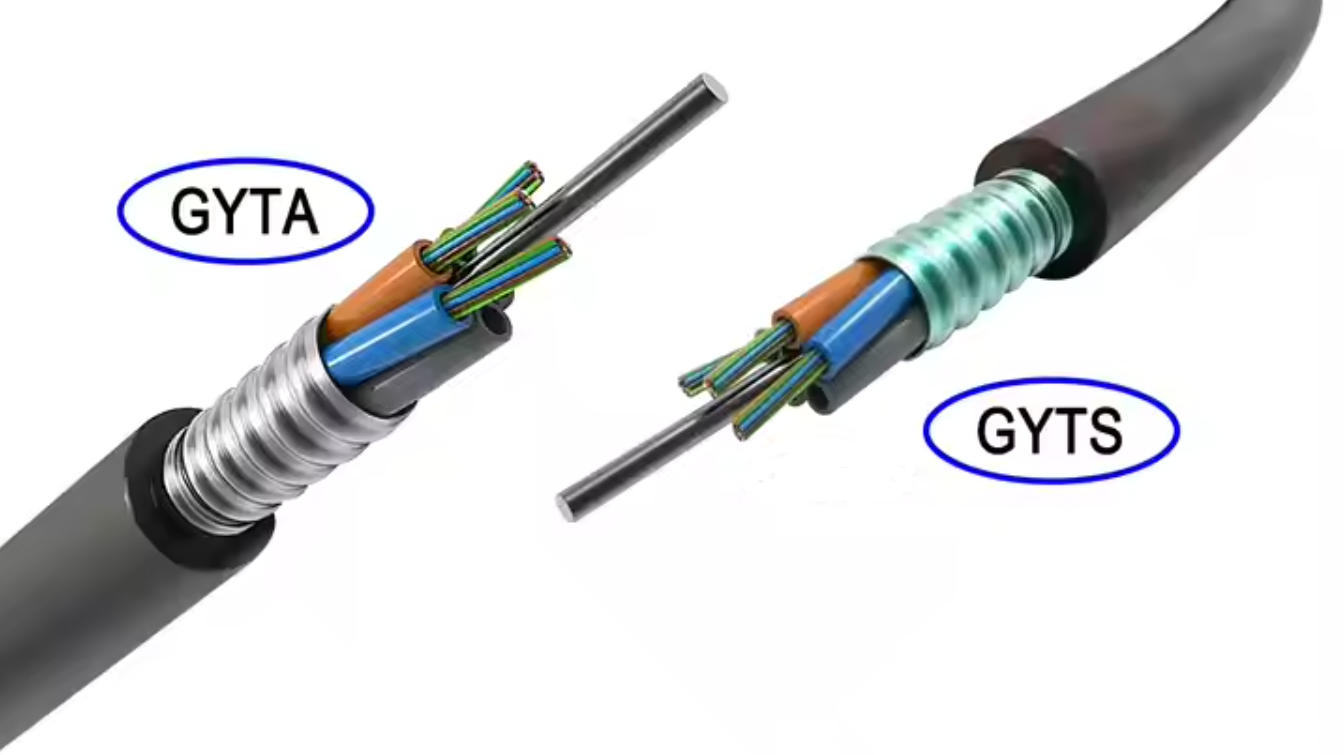
Fiber optic cables such as GYTA and GYTS may look simple on the outside, but on the inside, every layer matters for reliable connectivity. Each component of the cable design ensures it is durable, performative, and meets appropriate cable specifications. The codes on cables reveal essential details about their construction, including resistance features and environmental protection. This cable type determines its ability to withstand moisture, UV exposure, and even crushing pressure, all crucial factors when selecting outdoor fiber optic cables for various applications.
The Central Tube
About: Cable Anatomy Decoded The central tube occupies the center of most contemporary outdoor fiber optic cables. It maintains the fiber optic strands in a loose bundle, allowing them to shift slightly when the cable bends or stretches, which reduces the chance of them snapping. For instance, a cable coded with an ‘X’ utilizes this central tube design. The tube maintains the alignment and neatness of the fibers, essential for reliable data transmission and sharp images. Some core tubes are constructed of rugged plastics that resist tension, while others incorporate water-blocking gels. Your tube material choice, whether it’s plastic, gel, or even a full-filling structure, determines how effectively your tube protects and positions fibers. In harsh outdoor work, as with gyts fiber optic cable, the central tube provides durability for suspension between poles or through ducts.
The Outer Sheath
The sheath is the cable’s armor against the world, particularly for outdoor fiber optic cables. Its primary function is to keep out water, dust, sunlight, and unexpected weather alterations. Polyethylene (PE) or occasionally nylon sheaths are preferred because they don’t become brittle in the cold or soft in the heat. Others adopt a double sheath, like PE with a nylon layer, for additional protection. Codes such as “3” for PE or “4” for PE plus nylon enable you to identify these characteristics quickly. The sheath assists the cable in bending without breaking and aids in laying out during installation. Cables with a rugged outer jacket can endure in the field for years, even in sunny or wet locations, ensuring reliable connectivity.
The Armor Layer
Armor layers are reserved for where cables encounter genuine hazards—buried underground, strung through harsh environments, or in some cases, where beasts gnaw on stuff. Steel tape or wire is common, and these are called out in the code: “2” for double steel tape, “3” for round steel wire, “5” for corrugated steel tape. A GYTA53 cable, for example, utilizes outdoor fiber cables with corrugated steel and a PE jacket, providing resistance against rodents, crushing, or even rust. The armor protects the inside from bumps and bites while adding weight to the cable. When cables need to be tensile without being too heavy, aluminum armor or a single steel wire are alternatives.
GYTA vs. GYTS: The Core Differences
GYTA vs GYTS: What’s the difference? Both GYTA and GYTS fiber optic cables are designed for outdoor installations, but their construction and characteristics distinguish them from each other. The key distinctions revolve around their armor style, application, and longevity. The table below shows how their key design features compare:
Feature | GYTA | GYTS |
|---|---|---|
Fiber Count | Varies (commonly 2–288) | Varies (commonly 2–288) |
| Type of construction | Non-metallic armor | Steel tape armor | | Environmental Resistance | Medium (not suitable for corrosive or rodent-infested environments) | High (rodent, moisture, and corrosion resistant) |
1. Armor Material
Armor is essential for protecting the outdoor fiber optic cable type buried deep or strung overhead. GYTA vs. GYTS: The core differences lie in the construction materials. GYTA utilizes non-metallic materials, usually fiberglass, making it light and easy to carry up poles or across spans. However, it won’t withstand gnawing rodent teeth or crushing forces. In contrast, GYTS employs a steel tape, providing robust fiber protection against bites while enhancing strength. Although the steel adds weight, requiring more hands and equipment for transport, it ultimately ensures reliable connectivity in environments where rodent damage or crushing is a concern.
2. Sheath Bonding
Well sheath bonding seals out water, making the gyts fiber optic cable an excellent choice. GYTS uses steel tape firmly bound to the sheath, forming a solid barrier, which is crucial in wet or flood-prone locations. In contrast, GYTA, with its non-metallic construction, often employs water-blocking yarn or tape, but the bond is not as strong as steel. This distinction is vital for reliable data transmission, ensuring the cable endures particularly in areas where water is a constant concern.
3. Moisture Protection
Both cables utilize water-blocking yarns and filling gels, but the GYTS fiber optic cable excels with its steel tape armor and water-blocking tape. This duo prevents moisture from infiltrating, even when submerged deeply. While GYTA sheds light moisture, it struggles in waterlogged or swampy soil. Over time, excess water leads to greater loss and fiber breaks, making GYTS a more secure option for outdoor fiber optic cable type applications.
4. Mechanical Resilience
GYTS fiber optic cable can withstand impacts from rocks, traffic, or heavy tools due to its robust steel tape and thick sheath. In contrast, GYTA cables, being lighter, are a better choice for aerial drop applications where bending and pulling loads are more significant than crushing loads. In challenging environments, such as road crossings and busy tunnels, GYTS cable infrastructure serves as the hardworking standard protector to ensure reliable data transmission.
5. Installation Method
Installers often choose the GYTA cable for aerial applications, as this lightweight and non-metallic outdoor fiber optic cable type requires no grounding, which accelerates the installation pace. In contrast, the GYTS cable, featuring its robust steel tape, is ideal for direct burial, providing reliable data transmission and the strength to withstand soil pressure, rocks, and burrowing animals. Both approaches necessitate meticulous cable management, and a trusted supplier like Oufu, a China-based professional custom fiber optic cable manufacturer, can guide buyers to the right product and share tips for smooth, damage-free installs.
Ideal Application Environments
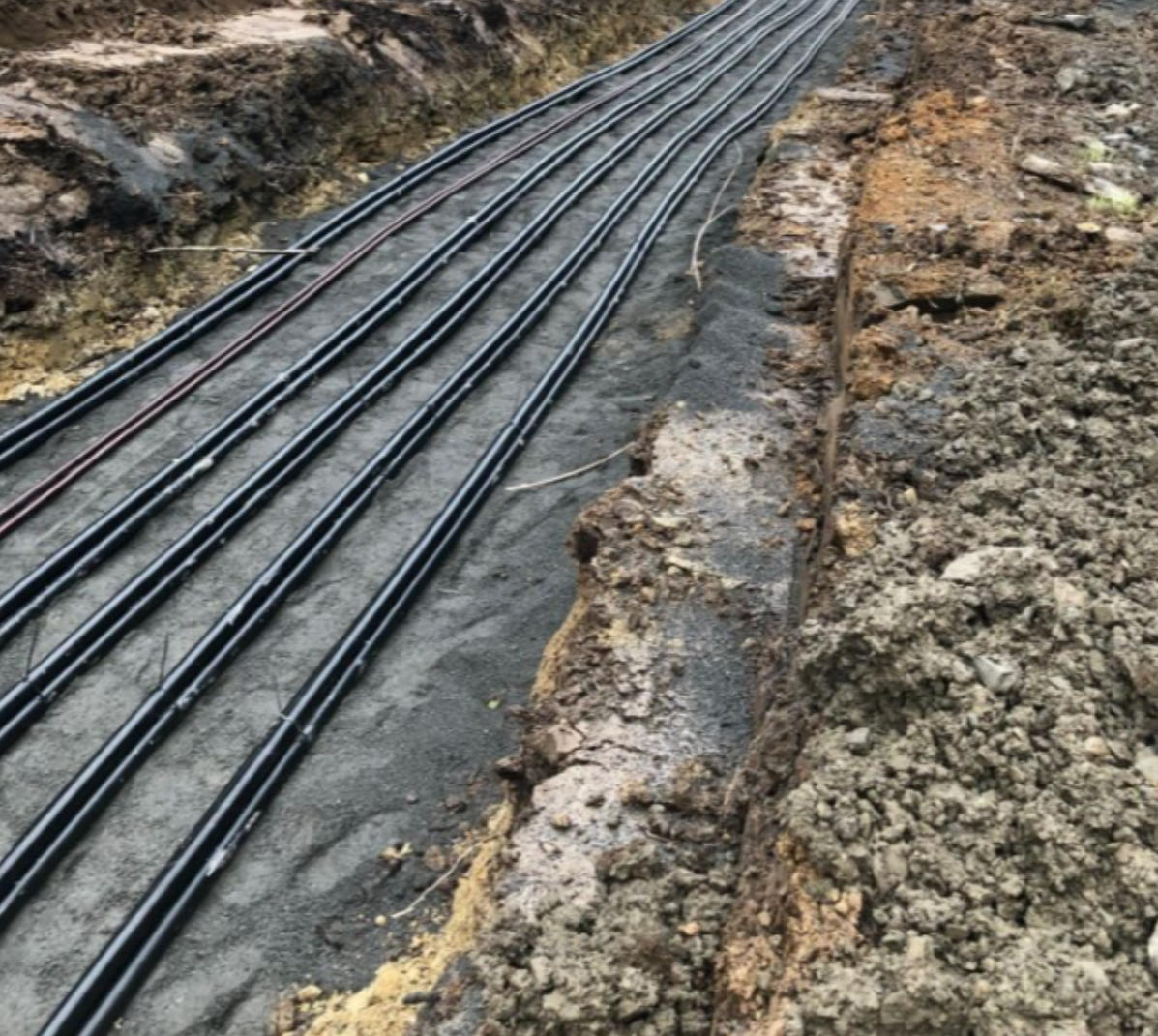
GYTA and GYTS cables gained distinction due to their robustness and flexibility, becoming reliable solutions for outdoor fiber optic cable type infrastructures requiring consistent data transfer. Their collection design lends itself to many outdoor environments, which is why telecom, utility, and transportation sectors rely on them for exceptional connectivity. Determining which of these fiber cables best suits a given application is largely a matter of how much moisture, heat, or mechanical abuse the cables have to withstand. Environmental factors motivate these choices, be it for urban grids, rural villages, or business parks. While both cables perform well outdoors, it’s the little nuances, like armoring or full dielectric build, that tip the scale for specific tasks.
Aerial and Duct
Aerial installs in urban environments require a cable that withstands wind, rain and even birds. GYTA and GYTS both work, but ADSS cables are constructed for when you require the cable to support itself, for example, suspended between poles. With duct systems, it’s about keeping the fiber out of direct sunlight or damage. Ducts protect the cable from weather, reduce repair requirements and maintain data throughput.
A major challenge with the aerial tasks is contending with storms, powerful sun and even squirrels gnawing on the cords. Using ducts can bypass some of these headaches, but that adds expense and pre-thinking. To keep lines operational, it’s wise to inspect the wires regularly and employ ties or supports that allow them to shift slightly without breaking.
Direct Burial
Burying GYTA or GYTS cables directly in earth demands strength and ruggedness. These cables are constructed to prevent moisture ingress, which is most relevant in rainy or flood-affected regions. GYFTY cables, with robust outer jackets, can brave hard or rocky terrain and fend off gnawing rodents.
Soil matters. Sand is less harsh on the cable, while rocky or clay soils require cables with more armor. By laying cable at the proper depth, with sand bedding and markers on the ground, you help protect your network for years to come.
High-Risk Zones
High risk locations, such as power stations and chemical plants require additional attention. GYTA and GYTS are fully dielectric, which means they don’t conduct electricity, so they’re safe to be used in close proximity to high voltage. Where corrosion or rodent action is probable, steel-armored cables like GYFTY fare best.
Extreme cold, heat or chemicals will break down less rugged cables. Picking the right kind is all about examining every risk, be it weather, terrain, or local wildlife, to ensure service never lapses.
Performance Under Duress
When choosing between GYTA and GYTS cables, it’s essential to consider the appropriate cable specifications beyond just price or paper details. Their performance under duress, such as heavy loads, moisture exposure, or extreme temperature fluctuations, plays a crucial role in ensuring reliable connectivity in various environments.
Feature | GYTA (Aluminum Tape) | GYTS (Steel Tape) |
|---|---|---|
Crush Resistance | Medium | High |
Water Ingress | Good | Excellent |
Temp. Stability (°C) | -40 to +70 | -40 to +70 |
Tensile Strength (N) | ~1000 | ~1500 |
Rodent-Proof | Moderate | Excellent |
Max Fiber Count | 144 | 144 |
Crush Resistance
GYTS cables, known for their robust fiber construction, excel in crush resistance due to their steel tape armor. This rugged design makes them the preferred choice for outdoor fiber optic cable applications, including direct burial and areas subject to heavy truck traffic. The steel tape also provides excellent moisture resistance, preventing rodents from damaging the cable, which greatly enhances durability.
On the other hand, while GYTA aluminum tape performs well in most indoor or duct applications, it lacks the crush resistance necessary for harsh environments. In locations where crush resistance is critical, such as under roads or in industrial yards, GYTS cables are a reliable choice for maintaining quality fiber optic connectivity.
Poor crush resistance can lead to microbends and signal loss, negatively impacting your network speed and potentially causing costly repairs. For high-density sites or backbone links, choosing the right gyts cable ensures low downtime and high performance.
Water Ingress
Both GYTA and GYTS utilize water-blocking gel and tapes to keep moisture at bay. GYTS has a steel tape that fully blocks water even if the outer jacket gets nicked. This preserves fibril strength and clarity of the signal.
Water in the cable leads to attenuation and eventually fiber breaks. The performance under duress is important. In wet or flood-prone areas, GYTS performs better. For installs in dry climates or protected ducts, GYTA holds up nicely if installed correctly.
ADSS cables have no metal and use different technology, but they are great for aerial work where water may drip down the line.
Temperature Extremes
Both cables cope with -40°C to +70°C. Materials count. GYTS’s steel tape and tough filling combat crack or softening in cold or heat. Aluminum in GYTA is lighter but can warp over time. Central and stranded loose tube designs distribute stress and reduce the chance of fiber breakage when temperatures fluctuate rapidly.
Temperature swings can warp cables, cause microbends, and drop signal. Always align the cable with the real-life weather. For deserts, mountains, or freezing conditions, select a cable rated for those shifts.
How to Select Your Cable
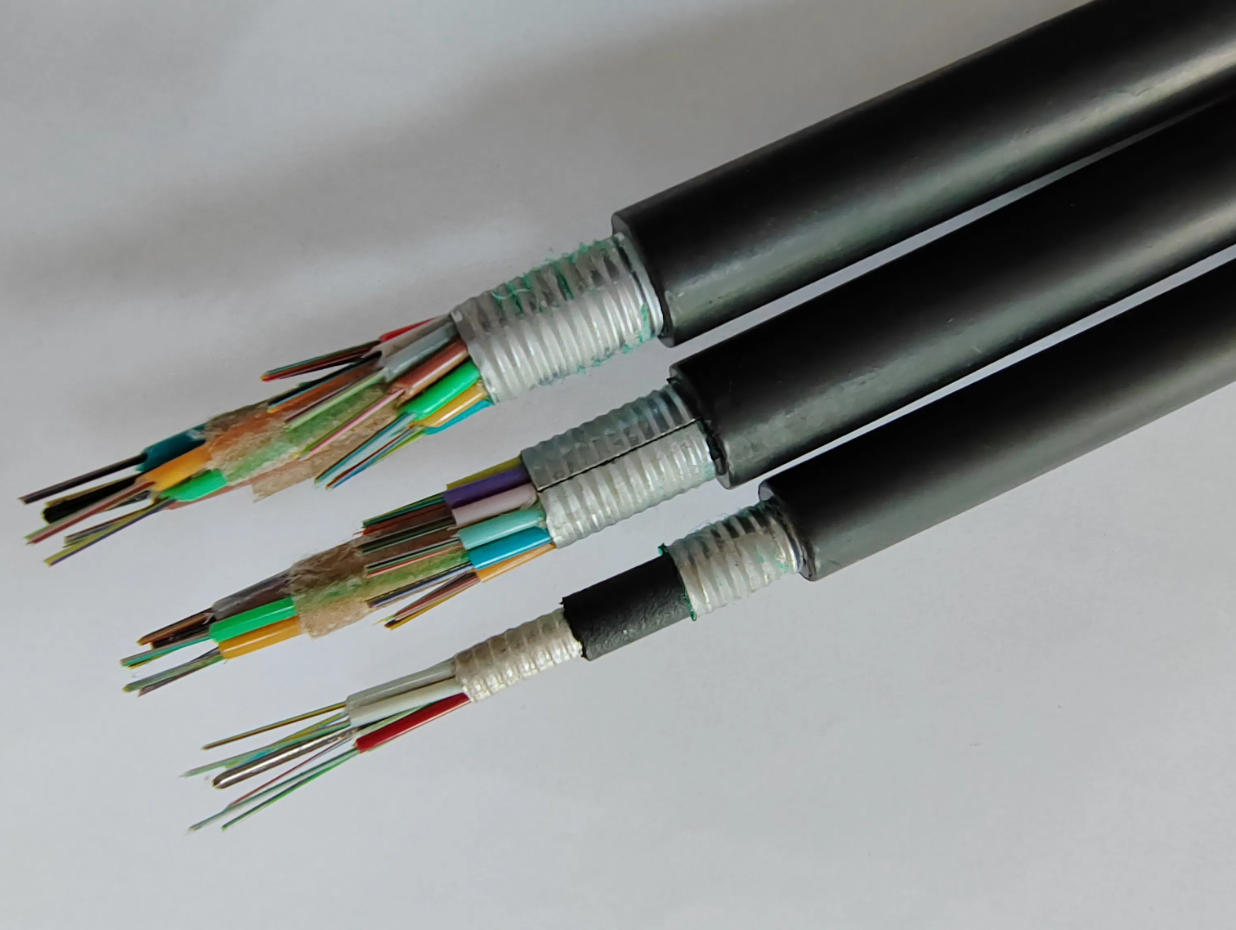
The choice between GYTA and GYTS fiber optic cables isn’t solely a matter of specifications. It’s an art of recognizing your surroundings, the potential hazards, and the enduring demands of your initiative. The correct selection guarantees dependable service, safety, and cost-effectiveness.
Key factors to consider:
Terrain and soil type
Mechanical and corrosion protection needs
Resistance to rodents and environmental threats
Lifespan and future scalability
Cable weight and installation method
Cost and budget constraints
Evaluate The Terrain
Checklist for terrain evaluation:
Soil type: Is it rocky, sandy, or clay? Rocky soil will tear up cables with flimsy armor, but sandy or softer soil is less brutal.
Water table: High water levels demand cables with better corrosion resistance.
Installation method: Direct burial, duct, or aerial? Heavier cables such as GYTS require additional support when installed overhead.
Boulder, root or heavy equipment traffic zones require heavily armored cables, such as GYTS, to guard against crush or cut impact. In soft soil or urban environments, lighter and more flexible cables like GYTA can be simpler to install.
Geographical features are important. Mountainous terrain or steep slopes may necessitate cables designed for tension and mechanical stress, as opposed to flat plains. Always scout the terrain before you start so you don’t get a surprise down the road!
Identify The Threats
Potential threats:
Rodents
Corrosive soils
Heavy mechanical loads
Extreme weather
Knowing these threats guides you in choosing the correct specs. For example, if rodents are an issue, steel tape armor in GYTS will assist. Corrosive soils require plastic-coated steel tape cables.
Disregard the environmental risks and you’re looking at costly fixes. Plan ahead. Place rodent-resistant cables where necessary, corrosion-resistant cables in high-risk soils, and reinforced cables in areas with heavy equipment or digging.
Mitigation strategies consist of marking warning tapes above buried cables, selecting the appropriate armor and implementing routine inspections.
Project The Future
Scalability for future bandwidth
Compatibility with new technology
Lower long-term maintenance costs
If expansion is expected, buy quality up front. GYTS lasts over 25 years and will support upgrades. GYTA fits smaller, less intensive projects. Check the market as well. Faster speeds and more connections are on their way, so dream bigger if you can.
Think ahead and future-proof your cable selection. This is a time and money saver in the long run.
Beyond The Spec Sheet
Under the hood from the spec sheet, actual fiber optic cable performance depends on a lot of little things. GYTA and GYTS cables can appear the same in a spec sheet, but how they behave in the field depends on the way they are installed, handled, and maintained. Even the finest technical specs cannot rescue a cable from bad installation or brutal surroundings, especially with outdoor fiber optic cables.
Installation Nuances
Installers are caught in a bind with GYTA and GYTS cables. Each one responds differently to bends, pulls, and crushing pressures. GYTS cables, with their robust steel tape, perform better in rodent-prone areas or where sharp rocks may press against the cable. In contrast, GYTA cables, utilizing aluminum tape, are lighter and can be easier to route through tight spaces. Both fiber optic cable types require careful handling; hard pulls, tight bends, or sharp twists can snap fibers within, leading to covert issues down the road.
Local code and standards might require you to install outdoor fiber optic cables differently. In other countries, fire safety codes or building practices might necessitate additional cable protection or specific installation routes. Overlooking these can result in fines or compelled reworking. Environmental conditions are significant as well; excessive heat, moisture, or chemicals can increase the potential for corrosion or loss of signal.
For optimal performance, keep cables dry and clean, store them out of sunlight, and wear protection when laying them in rough ground. Always test for dirt and water levels in ducts and trenches prior to beginning. A strong rat guard is important, particularly in the country or brush, to ensure reliable connectivity.
Long-Term Reliability
Moisture is the devil when it comes to maintaining a reliable data transmission system. Both GYTA and GYTS cables possess water-blocking strengths, but if water infiltrates through bad splices or nicks, the signal strength diminishes. Conducting visual inspections for cracks or exposed armor, along with routine optical exams, can help detect issues before they proliferate. Dirt and dust collecting around connections might appear trivial but can lead to major headaches over years, especially for outdoor fiber optic cable types.
Environmental abuse reduces cable life. UV rays, chemical spills and rapid temperature swings can degrade even the finest cable jacket. Design for open cable access to make future inspections and repairs easier, particularly in high foot or vehicle traffic areas.
Network administrators should maintain records of cable integrity and respond to early indications of trouble. Addressing aging sections before failure is crucial for maintaining a robust fiber optic network.
The Cost of Failure
Cable failure is more expensive than a new cable. Downtime leads to lost revenue, irate customers, and emergency fixes. Putting a little more up front in hard, well-armored cable can save a lot by reducing the risk of breaks or bites.
Water and mice seem innocuous, but can incubate out of sight and do destructive accumulations. A short cut on water protection or missing out on rodent guards can translate into huge repair bills down the road. Choosing the right cable for each run, GYTA for light, dry runs and GYTS for rough, rat-heavy locations, pays dividends over years.
With smart cable decisions and expert installation, it’s goodbye to headaches, downtime, and grumpy users.
Conclusion
Choosing between GYTA and GYTS depends on where and how you intend to deploy your cable. GYTA stands in dry ground, as in city builds or indoors. GYTS fares better in wet or abrasive areas, such as fields or below ground. Both cables shield the strands within, yet each glistens in its own fashion. Consider your location, your requirements, and how hard the work is. Practical examples demonstrate that each kind fares better when paired appropriately. If you’re still stumped, ask others in the industry or consult a vendor. Don’t go it alone; get the scoop, pose your questions, and choose with more confidence.
Frequently Asked Questions
What are the main differences between GYTA and GYTS cables?
GYTA cables are lighter and more flexible, while the robust GYTS cable offers better mechanical protection for outdoor fiber optic cable applications.
Which environments are best for GYTA cables?
GYTA cables, a reliable choice for outdoor fiber optic cable types, are perfect for duct and aerial deployments due to their lightweight design, allowing versatility and portability.
When should I choose GYTS cables?
GYTS cables are ideal for direct burial due to their robust steel tape armor, which enhances their resistance to crushing and rodents, ensuring reliable connectivity and longevity in the ground.
How do GYTA and GYTS cables perform under harsh conditions?
GYTS cables, known for their robust fiber construction and durable steel tape armor, provide enhanced performance in challenging environments, while GYTA cables, more suitable for indoor use, excel in lab environments.
Are GYTA or GYTS cables waterproof?
GYTA and GYTS cables, designed for outdoor use, are both water-blocked for damp locations, ensuring reliable connectivity. Always check the manufacturer’s spec sheet for appropriate cable specifications.
What factors should I consider when selecting between GYTA and GYTS?
Consider the installation environment, mechanical strain, and rodent hazard when choosing the right gyts fiber optic cable, as GYTS offers maximum armor while GYTA provides lightweight, versatile applications.
Can I use GYTA and GYTS cables interchangeably?
Not necessarily. Both outdoor fiber optic cable types are meant for different situations and aren’t interchangeable. Using the wrong gyts cable may hinder performance or lifetime, so always pair cable selection to your application requirements for optimal performance.