Knowing the fiber optic cable type, core materials, strand count and protective attributes assists you in making well-informed decisions that optimize cost and performance.
Installation costs depend on method, labor, equipment, and location. Comparing pro and DIY options can guide you in budgeting smartly.
Fiber optic cable prices vary over time due to global market forces including raw material costs, supply chain disruptions and rising demand.
When you look beyond first cost — when you think total cost of ownership and invest in high-quality, energy efficient cable — you can achieve real long-term savings.
With intelligent planning, volume buying, and staged rollout you can reduce total costs and optimize the value of your fiber optic ventures.
Fiber optic is a smart business and residential investment, providing consistent network performance and future-proof connectivity as digital needs surge.
Fiber optic cable price is based on a lot of different factors such as cable type, cable length and job difficulty. Prices vary from a couple of dollars per meter for single mode up to high amounts for specialty cables or ruggedized designs. Costs vary by strand count, brand and quality. Sometimes additional charges emerge for equipment, connectors or labor. Most buyers make the mistake of just comparing quotes to get fair deals, but knowing what drives price goes a long way. Whether it’s for small home use or big projects, a transparent cost guide makes things less chaotic. Then, we deconstruct pricing, give you insider tips and demonstrate what to look for when purchasing fiber optic cables.
What Determines Fiber Optic Cable Price?
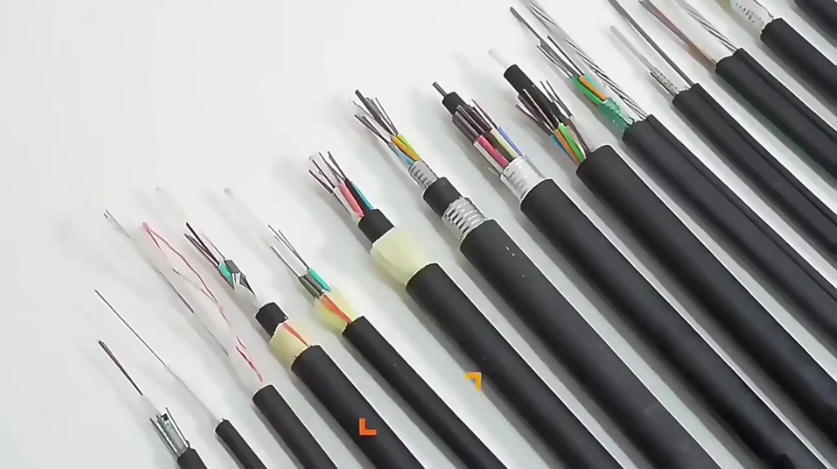
The fiber optic cable price varies based on several factors, including the fiber optic cable type, materials, and the number of strands. These decisions significantly influence not just your initial investment but also the long-term efficiency and durability of your fiber optic network.
1. Cable Type
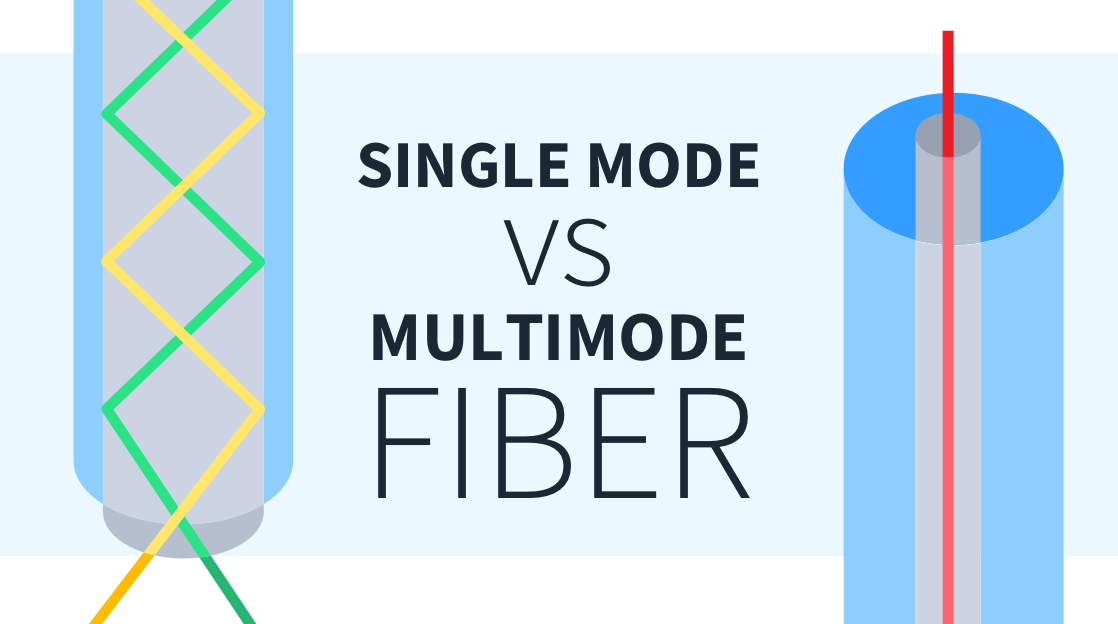
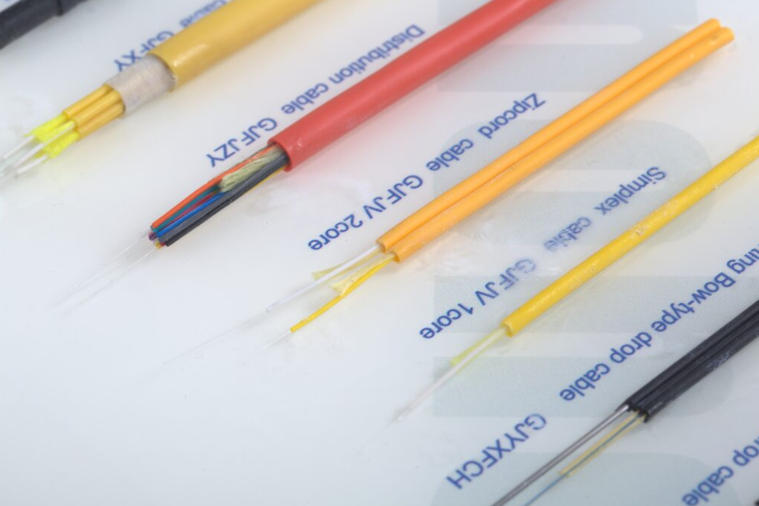
Single-mode cables, designed for long distances, often come with a higher fiber optic cable price due to their fine core and intricate construction. In contrast, multimode cables, featuring larger cores, are easier to produce and generally have a lower fiber optic installation cost for short connections. Specialized types, like ADSS (All-Dielectric Self-Supporting) cables, are tailored for spanning power lines or rough terrain, which can increase the overall cost. Your choice of fiber optic cable type significantly influences installation costs, as single-mode typically demands more expensive connectors and precise installation.
2. Core Materials
While most fiber optic cables have pure glass cores, there are plastic variants primarily utilized for short-range or budget tasks. Glass cores, particularly those made with premium silica, tend to have a higher fiber optic cable price but offer superior velocity and signal quality. Premium silica increases the fiber optic installation cost but enhances dependability for critical systems. Sourcing also impacts pricing, as certain manufacturers provide cheaper rates due to local raw materials, while international brands may charge more for rigorous quality standards.
3. Strand Count
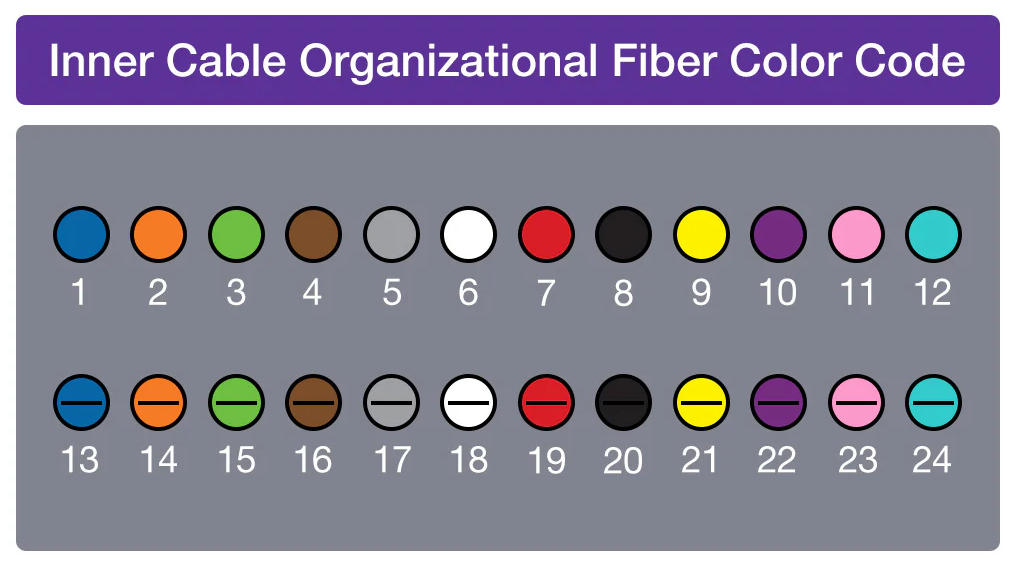
More strands in fiber optic cables translate to higher prices because cables with 144 or more fibers require additional labor and processing. Yang’s and KDDI cables all featured above-standard 6 or 12 strands for less, but higher-count multimode fiber optic cables accommodate bigger projects or growth plans. More strands allow a fiber optic network to transport more data, but each additional fiber results in increased expense for assembly and occasionally installation costs or tools. What’s the right strand count for your project size? Overbuilding is a budget-waster, but skimping can bottleneck your network.
4. Armor and Jacket
Armor and jackets shield fibers against crush, water, sun, and rodents, making fiber optic installations more reliable. Thicker jackets support outdoor fiber optic cables but increase the fiber optic cable installation cost. Steel armor raises initial expenses yet reduces future repairs. Some projects economize by opting for lighter jackets, risking outages if weather or vermin strike. It’s always a trade-off: invest more now for peace of mind or save and risk downtime later.
5. Brand and Quality
Brands like oufu offer custom solutions and control quality, which may come with a premium fiber optic cable price. Big brand names charge you a premium for trust, but smaller brands can be just as good for less. Search for certifications—they indicate fiber optic cables pass rigorous tests, but they add to price. Warranties count; a good one might be worth paying a little more for long haul jobs.
The Cost of Installation
Fiber optic installation costs can vary significantly based on factors such as the fiber optic cable type, installation method, labor, equipment, and location. The material cost of fiber optic cables typically ranges from one to six dollars per linear foot, but installation labor, permits, and site difficulties can increase the overall fiber optic cabling cost. By understanding what influences these expenses, whether you choose a professional or a DIY approach, you can better plan your project and avoid unexpected costs.
Installation Method
It’s generally less expensive and quicker to install cables overhead, in what is called aerial installation. It requires less digging and fewer permits, therefore costs generally remain at the low end, perhaps $5,000 to $20,000 a mile for straightforward jobs. Underground runs are more expensive, particularly in dense cities. Those urban projects can balloon to $60,000 to $80,000 a mile because of trenching, permits, and working around utilities.
Trenching is a huge add to the bill. If you require new conduit or have to route through walls or ceilings, prices can skyrocket to seven to twelve dollars a foot. Pre-terminated cables save on labor hours, as they’re plug-and-play, but can be pricier initially. Specialized equipment for challenging installs, such as fiber blowers or fusion splicers, increases costs relative to basic hand tools.
Labor and Location
Labor rates fluctuate from $50 to $150 an hour depending on your location and the difficulty of the work. In certain areas, local installers beat the big companies’ prices, particularly for projects costing less than $50,000. Rules and permits count. Other towns require you to wait for approvals or pay fees, which slows work and inflates your bill.
Hard-to-reach places, such as remote locations or really thick walls, require extra effort and extra time. Installers might require additional personnel or specialized equipment, which drives up labor hours and expenses. Complexity, such as routing through old structures, frequently signals additional skilled labor and that’s never inexpensive.
Required Equipment
Fiber optic cables and connectors
Cable pulling tools
Fusion splicer or mechanical splicer
OTDR (Optical Time Domain Reflectometer)
Cable testers and cleavers
Safety gear
Renting gear for small jobs is cost-effective, while purchasing for larger projects, such as fiber optic installations, amortizes over time. New technology, including high-tech splicing machines and automated testers, speeds up the work but increases the fiber optic installation cost upfront. Specialized tools are essential for precision, especially with custom cables or high fiber counts. Companies like oufu can assist with tailored fiber optic cable options, often at lower prices when buying in bulk.
Unseen Economic Pressures
Fiber optic cable pricing sounds straightforward, but various fiber optic cable types influence costs and project planning, as well as long-term investments for purchasers worldwide. Increasing raw material prices, supply chain risks, and volatile demand all contribute to the fiber optic installation cost. Knowing these forces is essential for intelligent decision making, whether constructing an African metro network or European data link upgrades.
Raw Material Volatility
The cost of silica, a principal ingredient in fiber optic cables, fluctuates with worldwide supply and demand. Silica costs increase whenever mining or processing encounter hiccups, and any spike filters directly through to cable buyers, affecting the fiber optic cable installation cost. Helium is another invisible economic force utilized in fiber production, and last year’s shortages bumped prices by 40%. That shortage by itself upended 17% of the world’s fiber production. Geopolitical events, such as export bans or trade disputes, introduce additional uncertainty, complicating it further for manufacturers to maintain stable pricing. Others attempt to hedge by locking in long-term contracts or stockpiling, but only to an extent. In the long run, each increase in raw material prices sends a shock wave through the industry, altering firms’ investment strategies and occasionally making them delay major projects.
Global Supply Chain
Supply chain disruptions, from port backlogs to last-minute transport strikes, can make cable both scarce and pricier. If helium shipments lag, plants bottleneck. Tariff unknowns add to the mix with fresh duties or trade barriers driving up costs and project delays.
International trade deals can lower or raise material costs.
Sanctions can restrict access to key supplies.
Free trade zones might help with price stabilization for certain areas.
Shipping costs are significant. When fuel prices soar, hauling cables from the plant to the plot gets more expensive. Logistics slowdowns, like the Suez blockage, can extend lead times and disrupt budgets. If the world moves production somewhere else, local consumers may end up paying more or less depending on where they purchase.
Market Demand
The allure of fiber optic internet is a strong one, with demand continuing to grow as homes and businesses alike seek out faster connections. When demand spikes, prices follow, particularly if supply can’t catch up. Emerging technologies, such as 5G and cloud services, are driving up demand for fiber and adding greater stress to the market.
Year | Demand Index | Price Change (%) |
|---|---|---|
2018 | 100 | 0 |
2019 | 120 | +10 |
2020 | 140 | +15 |
2021 | 160 | +20 |
2022 | 180 | +25 |
Demand isn’t constant throughout the year. Spring and summer building booms drive prices up, while winter drags them down. Bulk purchases, for example, for a major urban initiative, can reduce the per-meter price by up to 40 percent compared to small-quantity purchases. Yet, focusing only on cable price can backfire. Projects that pursue the cheapest cable price frequently end up spending 40 to 80 percent more on total system costs, overlooking savings from intelligent planning, such as installing conduit during construction for future upgrades.
Beyond the Sticker Price
Fiber optic cable investments extend way past the fiber optic cable price. Total cost of ownership, future-proofing, and energy efficiency all contribute, while fiber optic installation costs reveal hidden expenses from tariffs to installation headaches that don’t exist at first sight.
Total Cost of Ownership
The initial invoice is just the beginning. Installation alone can lead to unexpected expenses, especially if you need to enhance your fiber optic network capacity later, which may cost $28,000 or more. This includes extra permits, digging, splicing, and testing. Often, the remaining 35-60% of the budget gets consumed by hidden costs, such as trenching, splicing, HVAC, backup power, or even floor space. Tariffs can add 15-25% for China-sourced fiber optic cables, while you might face a 5-10% premium for nearshore alternatives like Mexico, even if they’re tariff-free. When projects focus too much on chasing the lowest fiber optic cable price, they can inadvertently overspend 40-80% on the entire system, missing the forest for the trees. Locking in price quotes for 60-90 days helps dodge some of these volatile swings.
Not all projects involve fiber optic installation. Some small installations wrap up in days, while larger constructions can extend for weeks or months. Beyond the initial costs, ongoing maintenance such as testing or repairing breaks contributes to the overall expenses. Fiber’s reliability means fewer fixes compared to copper, but neglecting maintenance can quickly erode those savings.
Performance is another critical factor when considering installation costs over time. Reliable fiber optic installations lead to reduced downtime and lost profits, ensuring that superior installations remain viable longer before necessitating upgrades.
Future-Proofing Value
Scalable fiber optic technology lets you add new users, gear, or tech without ripping out what’s there. While the initial fiber optic installation cost may be higher for the fastest options, it ultimately saves you money by avoiding the need to rework the network every few years. Future-proofing with better fiber optic cables and connectors results in fewer surprise costs when your needs change, ensuring adaptability for tomorrow’s tech advancements.
Energy Efficiency
Fiber systems consume less energy than copper, significantly lowering bills and carbon footprint. This energy savings accumulates, particularly in large-scale networks, where fiber optic installation costs are often offset by reduced operational expenses. Fiber runs cooler, leading to lower air conditioning needs, benefiting both your budget and the planet.
How to Reduce Overall Costs
As fiber optic projects continue to get larger and more complex, understanding the fiber optic cable installation cost is crucial to reduce overall expenses. Fiber is an investment — a 20 to 30 year investment — so every cost-cutting maneuver pays dividends down the road.
Strategic Planning
Begin with a list of questions that address project scope, schedule, and budget, including the fiber optic installation cost. Map out the full scope, where you need cable runs, what kind of data needs to move, and how much future network growth to expect. This reduces unexpected charges and prevents you from shelling out for excess cable. Aim at hot areas or key zones first, such as data centers or headquarters, so you maximize your bang for the buck in each stage. If you can, partner with other organizations or local businesses to share trenching or conduit costs. Always think ahead about future needs to avoid costly upgrades down the road. For example, opting for a multimode fiber optic cable with up to 24 cores can be cheaper and more future-proof, given its higher capacity and easier build.
Bulk Purchasing
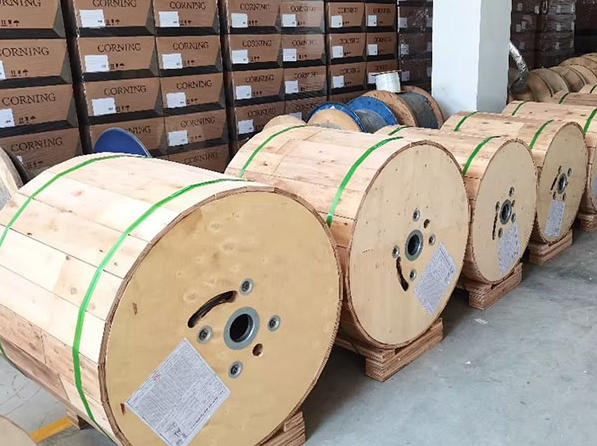
Buying fiber optic cables in bulk is one of the surest ways to save on your fiber optic installation cost. Suppliers frequently discount the per-meter price by 20 to 40 percent when you purchase in bulk. For instance, bulk orders can reduce material costs to $0.09 to $1.52 per foot while smaller orders might run $1 to $6 per foot. Dealing straight with manufacturers gives you even more leverage to keep costs down, especially if your project stretches over many kilometers. Bulk purchases require storage, so you’re going to need a clean, dry place to store it, as damaged cable can wipe out your savings. It makes great sense to team up with local installers for smaller jobs under $50,000, which tend to be priced at better rates than their large national counterparts.
Phased Deployment
Distributing installation over multiple phases allows you to manage expenses and fit your budget effectively. Deploying fiber optic cables first where they’re most needed, and extending as your budget permits, can significantly impact your overall fiber optic installation cost. Testing every step allows you to spot issues early, preventing unnecessary corrections down the line. This staged approach is especially useful for large campuses or city-wide projects, where it’s impractical to install all the cable at once. Keeping track of milestones, costs, and performance at every stage is essential. Although easy installs keep labor costs down, typically ranging from $50 to $150 per hour, tricky routes can drive rates up to $7 to $12 per foot. Utilizing single-mode fiber can reduce long-run costs, priced at $0.10 to $0.50 per foot.
Is Fiber a Worthwhile Investment?
Fiber is a great long-term option for homes and businesses, especially when considering the fiber optic installation cost. Most view it as an upgrade from antiquated copper and coaxial alternatives, not just in terms of speed but in terms of longevity. Homes with fiber can experience a 3 to 5 percent increase in real estate value, which speaks a ton to the futurist in all of us. Factor in that fiber optic cable can last over 25 years and consumes up to 54 percent less energy per gigabit, and the savings in repairs and maintenance are evident. This translates to less unpleasant surprises on the cost front later on.
Fiber’s true strength lies in its network performance. It can transmit over 1,000 times more data than copper and 100 times further. In everyday terms, this translates into less lag and downtime. Around 77% of users experience faster speeds when switching to fiber, and fiber networks have approximately 70% less service interruptions than cable in a year. For businesses, a slow or spotty connection robs about a week’s worth of productivity from every worker annually. That’s time and money that’s difficult to recover. With fiber optic cabling, the connection doesn’t falter, so work is smoother and less stressful.
Consider the statistics. The initial fiber optic cable installation is potentially expensive. Aerial installations run $8 to $12 per foot, with trenching to dig and lay cable at $15 to $35. Fiber internet plans themselves are not cheap, ranging from $30 to $299.95 a month, averaging about $138. The long-term payoff is obvious. Fiber’s strength means you won’t be in the market for another one anytime soon. Others go so far as to say it might last a hundred years. Its PON keeps going with less hassle, and energy savings accumulate over the years. This makes fiber a wise choice for individuals looking to invest in less time stressing about upgrades or outages ahead.
The world’s demand for rapid, reliable internet continues to grow, and fiber optic cables are poised to answer it. They are engineered to manage enormous data demands, making them a wise investment for tomorrow, whether you’re powering a company or simply seeking home security.
Conclusion
Fiber optic cable price is about a lot more than the sticker on the box. Details such as the type of cable, how far you’re going, and who installs it can alter the price quickly. The initial investment may seem steep to some, but the fast, reliable connection yields dividends for years. A tiny concern in Nairobi or a college in Berlin all enjoy lasting benefits from superior tech and reduced maintenance. To save money, compare prices and features, and get tips on purchasing the best fiber optic cables. Looking for an intelligent way to splurge and future-proof your installation? Don’t view fiber only as a price; embrace it as an investment in a speedier, rock-solid future. Give your local provider a call and find what fits you best.
Frequently Asked Questions
What factors most affect fiber optic cable price?
Fiber optic cable price varies significantly based on various fiber types, including core count and length, with brand authority and demand also influencing costs.
How much does fiber optic cable installation cost?
Installation costs depend on factors such as distance, terrain, labor rates, and local regulations. It can vary from a few dollars to tens of dollars per meter.
Are there hidden costs beyond cable and installation?
The hidden costs, including fiber optic installation costs, are permits, maintenance, network equipment, and downtime during installation. Always check your full project scope!
Why do fiber optic cable price change over time?
Prices fluctuate due to raw materials costs, supply chain disruptions, market demand, and technological developments. Currency fluctuations can affect prices.
How can I lower the total cost of a fiber optic project?
Source the right suppliers for fiber optic cables, purchase in bulk, and carefully plan the layout. Leveraging seasoned installers can save installation costs.
Is investing in fiber optic cable worth it?
Sure, investing in fiber optic cables is essential for fast, reliable internet that future-proofs your network, ultimately boosting property value while lowering installation costs and maintenance expenses over time.
Do different countries have different fiber optic cable price?
Yes, they differ by country because of labor costs, import duties, and the local market. Always ask for quotes in your area.