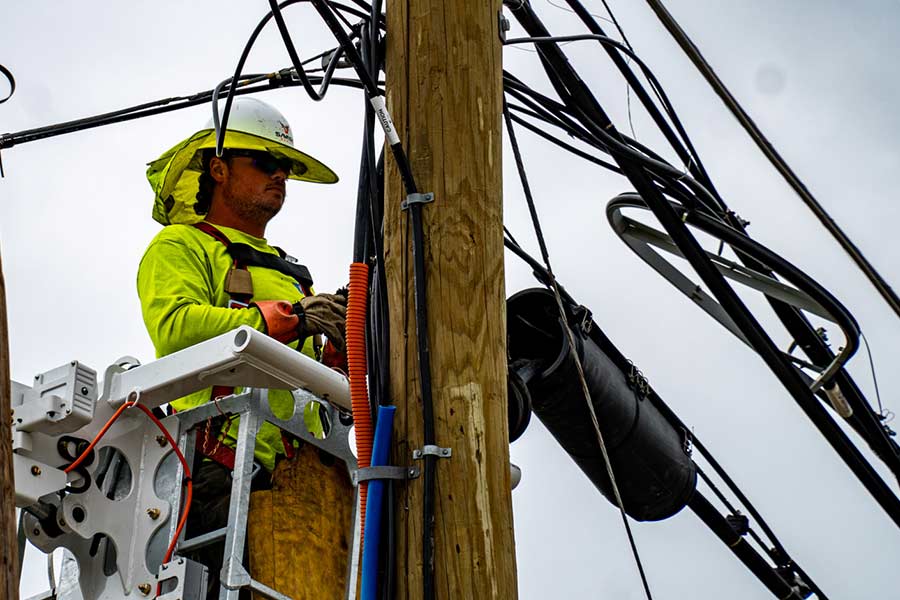
To choose an aerial fiber optic cable, start by checking the span length, weather in your area, and how much weight the cable needs to hold. Aerial cables are either self-supporting or lashed; select according to your project. Things like UV resistance, wind, and ice load matter because they help cables stand up to the outdoors. Cables with beefier jackets and water-blocking compounds stand the test of time in harsh environments. They most often install cables with cable steel wire for additional reinforcement. Selecting the appropriate size and core count ensures it is suitable for your network. Up next, dig into more on each factor and score tips from real-world installs to help you choose the perfect fit.
Evaluate the installation conditions and select cables with jackets that are resistant to moisture, UV light, and temperature fluctuations for durability.
Make sure your cable selection is structurally sound and will withstand tension, compression, and physical abuse for the duration of its life.
Align the cable’s bandwidth, fiber count, and performance metrics with your present and anticipated network requirements for smooth connectivity.
Compare ADSS and steel-reinforced aerial fiber optic cable types and choose the one that suits your application, installation location, and condition.
Opt for installation and protection methods suited for the physical stressors in your area, like wind, ice, and wildlife, to improve cable life.
Future-proof your network by choosing cables and configurations that are easy to upgrade, low maintenance, and reliable.
Key Selection Criteria
Selecting the right aerial fiber optic cable goes beyond just speed; it involves choosing a rugged cable that withstands outdoor elements and complements your installation. Key considerations include cable placement and durability to ensure optimal performance in any environment.
1. Environmental Resilience
Moisture and corrosion are significant issues for outdoor cables. Polyethylene jackets and similar materials assist in combating rain and protecting fiber cables from corrosion. Cables with UV-resistant jackets do not crack or fade in the sun, ensuring they last longer. Since most spots experience heat, freeze, or both in a day, confirm the cable tolerates temperature extremes. Additionally, air pollution and salt can corrode cables, so verify resistance to those, particularly around coastal or urban areas.
2. Structural Integrity
Aerial fiber deployments must support their own weight while withstanding wind, ice, and landing birds. Lighter and thinner aerial fiber cables are easier to work with and stress utility poles less. High-strength aramid yarns within the cable assist with tension generated from long messenger spans or heavy winds. When installing fiber optic cable, search for specifications stating that the cable retains its shape even when pulled. Self-supporting cables such as ADSS can span up to 1000 meters between poles, making them ideal for various applications.
3. Performance Metrics
Bandwidth rules. Don’t forget to ensure your cable is fast enough and has enough fiber counts for now and later. Low signal loss is key for long runs, so choose optical fiber cables with proven low attenuation. If you want to expand your network, select multimode fiber cables with additional fibers that work with your existing gear to save frustration.
4. Long-Term Viability
Cables with long warranties indicate the manufacturer believes in their product. Well-known brands tend to support better, especially in terms of fiber deployments. Can you obtain replacement parts or quick assistance if something malfunctions? Plan ahead: pick the right fiber optic cable that can keep up as tech changes, so you’re not swapping them out too soon.
5. Installation Compatibility
Take a look at how the cable installation is performed. Revolutionary concepts that never crossed anyone’s mind before, along with simple designs that save time and money, make aerial fiber deployments easier. ADSS doesn’t need messenger wires, for example. Small-diameter drop cables are a breeze to run along buildings. Make sure your poles and tools correspond with the right fiber optic cable you choose. Once it all fits, you save labor and expensive retooling.
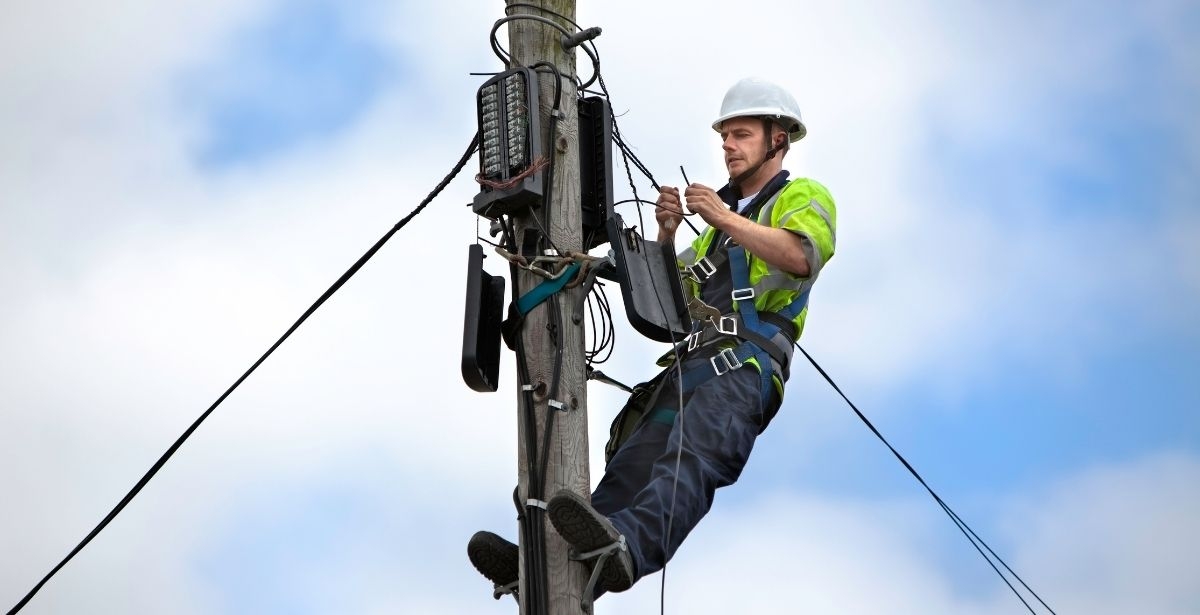
Understand Aerial Cable Types
There are several types of aerial fiber deployments, each with its own strengths and best applications. Choosing the right fiber optic cable means understanding what suits your project’s requirements. Factors such as distance, weather, expense, and repairability all count. The two main categories include self-supporting cables, such as ADSS and Figure-8, which support themselves, and catenary wire cables that utilize a messenger or other wire for support in cable installation.
ALL-Dielectric Self-Supporting
ADSS cable, like ADSS (All-Dielectric Self-Supporting), shine for their easy cable installation. Designed to run up to 1000 meters, these optical fiber cables are suitable for extended distances between poles or towers. Their all-dielectric design with no metal reduces electrical hazards around power lines, and they withstand wind, rain, and sun through UV-resistant jackets and water-blocking layers. For continual upgrades, these rugged cables are accessible and repairable, making them a wise choice for fluid networks. In rapidly evolving sites where crews need quick access, ADSS cables ensure efficient operations and reasonable pricing.
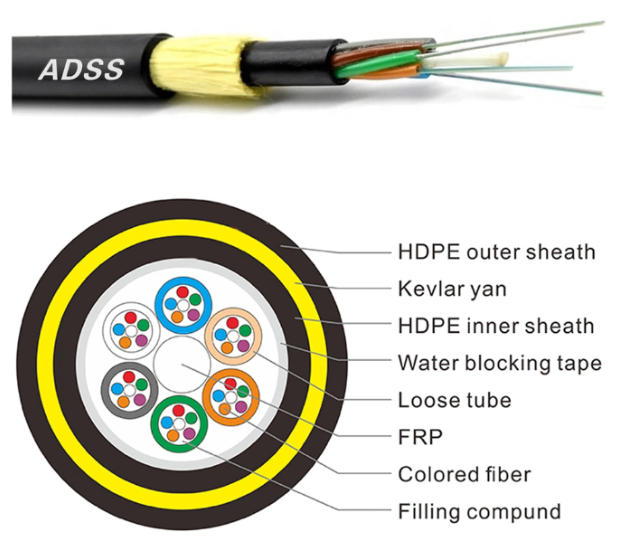
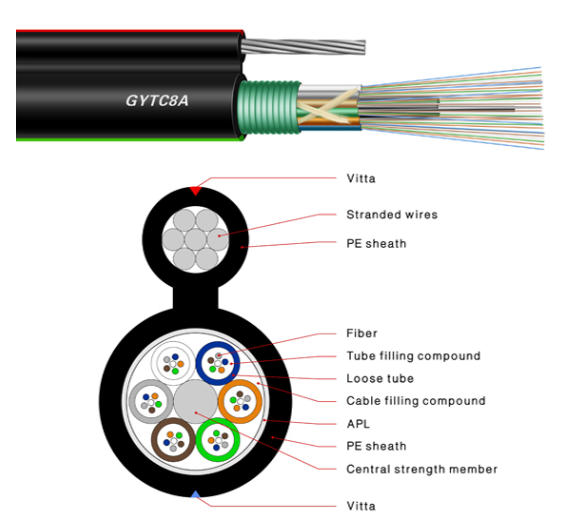
Figure-8 Fiber Optic Cable
Figure-8 fiber optic cables, also known for their unique shape, incorporate built-in steel for added strength and are ideal for aerial fiber deployments in urban telco or FTTH runs below 180 meters. Their aerodynamic design effectively slices through wind load, allowing them to maintain grip even in gusty conditions. This type of fiber optic cable performs exceptionally well where utility poles are close together, providing a clean appearance in urban settings due to its compatibility with the environment. The rugged steel component ensures durability in stormy or icy areas while remaining lightweight enough for efficient cable installation. Installers can easily bend and lay these cables around corners or through narrow alleys, significantly reducing installation time and effort.
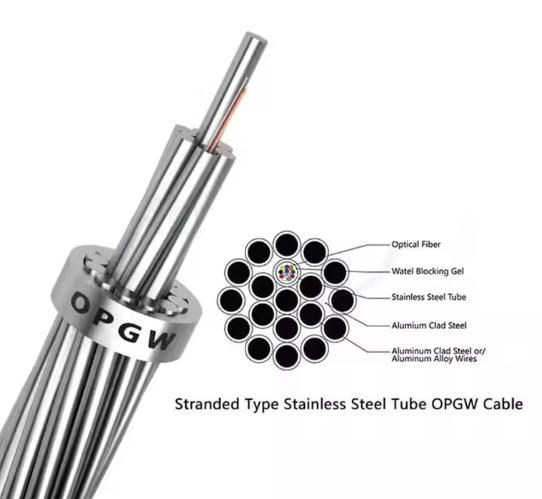
Ground Wire
Ground wire, such as OPGW, shields cables from power surges, especially during aerial fiber deployments in storm-prone or high voltage wire areas. Proper ground wire usage implies reviewing all local safety codes and compatibility with legacy and new power arrangements. OPGW is durable and can last decades, but it does require close inspection and maintenance, particularly in cable installation projects. Maintenance can become complicated, so it’s smart to plan ahead for future work. Brands like oufu make custom cables that fit these needs, offering solid options for tough installs across the globe.
Installation Methodologies
Choosing the appropriate installation method for aerial fiber optic cable requires focused consideration of your project’s scope, environment, and future demands. Each comes with its own workflow, equipment, and results, with different implications for the network’s reliability, economics, and ecological impact.
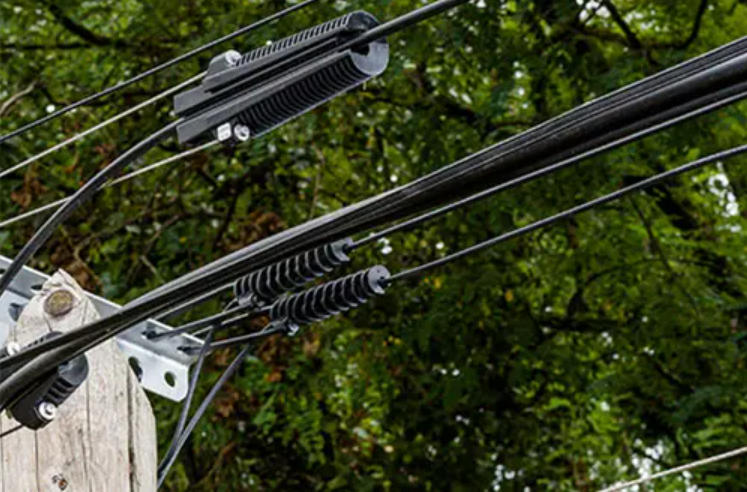
Lashing is old school. It employs a stainless-steel or aluminum wire to wrap the fiber optic cable to a supporting messenger wire. Tangent blocks are first installed at each pole along the route. This holds the cable elevated and aligned while you lash it. Teams require the proper metals, as sun, wind, or rain can deteriorate lower quality metals quickly. Lashing requires some expertise. Installers need to maintain consistent tension and prevent cable pinching. Training keeps away weak spots and sag, saving you expensive fixes. To stay on top of things going forward, write down every step of the process. It’s a bit slower than other options, but lashing provides strong support and is effective for nearly any span length.
Self-support techniques, such as with figure-8 or all-dielectric self-supporting (ADSS) cables, minimize the need for additional components and processes. These cables support themselves, eliminating the need for a dedicated messenger wire. This expedites the work and reduces labor expenses. The poles and hardware must be strong enough to support the cable’s weight and tension. Spans under 100 meters are ideal. Wedge supports are excellent for shorter runs where strain is light, but formed wire dead-ends provide the best support and grip the cable firmly for a longer distance, typically two to four feet. With self-support, upkeep is simpler and there’s less to check. The cable has to be installed just so, with sag under 2% of the span and tension under 30% of breaking strength.
Installation Methodologies The moving reel method works when you can move a reel trailer or aerial lift truck along the pole line unobstructed. They park the truck in front of that first pole and crews install temporary supports along the route. It’s fast, a single pass with no cable blocks or pull lines, so it’s wonderful for open, direct runs.
By considering the advantages and disadvantages of each approach, you can try to weigh which is most appropriate for your project. Lashing provides stability, but it is time-consuming and labor-intensive. Self-support speeds work but requires well-matched poles and detailed pre-planning. The moving reel for the reel mowers was efficient where the path was clear, but not for all terrain. Environmental impact counts as well; less equipment means less land and less local community disturbance.
Lashing
Installation techniques for cable installation often utilize stainless steel, which withstands rain, wind, and sun. Crews must ensure the cable is lashed straight and evenly, avoiding pinches or bends that can damage the fiber optics. If steps are skipped or rushed, sagging or loose wires may occur later. Proper training ensures consistency across sites, documenting each step is crucial for successful fiber deployments.
Self-Support
Self support cables are a game changer for quick jobs. They don’t require additional wire or hardware, saving time and money. The secret is to test whether the poles and anchor points are capable of supporting the weight. For short runs under 100 meters, wedge supports work fine, but for longer or tougher spots, formed wire ends grip better and last longer. With less equipment airborne, there’s less to check and repair afterwards. You have to keep sag small and tension low, or you’ll get into trouble.
Beyond the Spec Sheet
Choosing aerial fiber optic cable isn’t simply a matter of comparing specs to a checklist. Real world conditions, cable installation demands, and long term reliability all factor in, particularly for overseas projects, where climate, infrastructure, and regulations differ. Every selection you make—from jacket material to fiber arrangement—crafts the network’s efficiency and longevity.
Jacket Material
Jacket fabric must resist sun, rain, wind, and even wildlife, especially over distances reaching 1000 meters. Most indoor cables and aerial fiber deployments utilize UV-resistant, water-blocking jackets to ensure that fibers remain safe outdoors. PE is a preferred choice for outdoor cable installation, being tough and weather resistant. In extreme climates or lightning-prone areas, ADSS cables with specialized non-metallic jackets offer additional protection and versatility. Newer materials incorporate compounds for improved fire resistance and increased longevity, which is vital since aerial cables often need to endure for 25 years or more. Lighter jackets facilitate the installation of fiber optic cables, reducing labor costs and minimizing the risk of damage during pulls, which is critical because excessive tension can lead to costly fiber breaks.
Material | UV Resistant | Durability | Flexibility | Weight | Notes |
|---|---|---|---|---|---|
Polyethylene | High | High | Moderate | Medium | Most common, tough |
PVC | Moderate | Moderate | High | High | Easy to handle, heavier |
LSZH | High | Moderate | Moderate | Medium | Low smoke, safer |
Nylon | Low | High | High | Low | Extra flexible |
Fiber Configuration
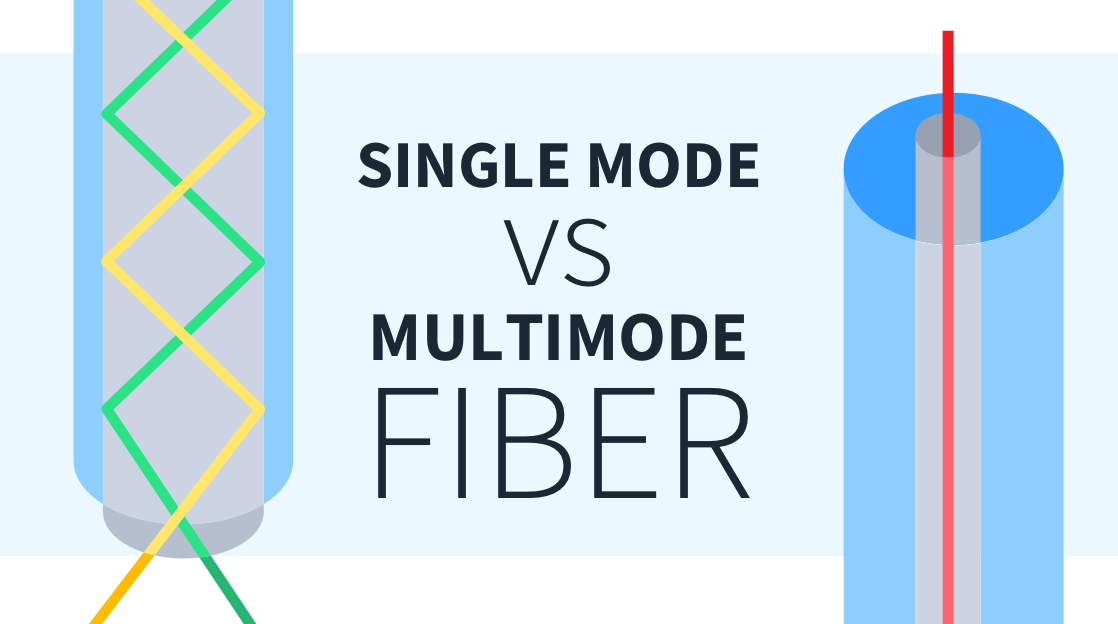
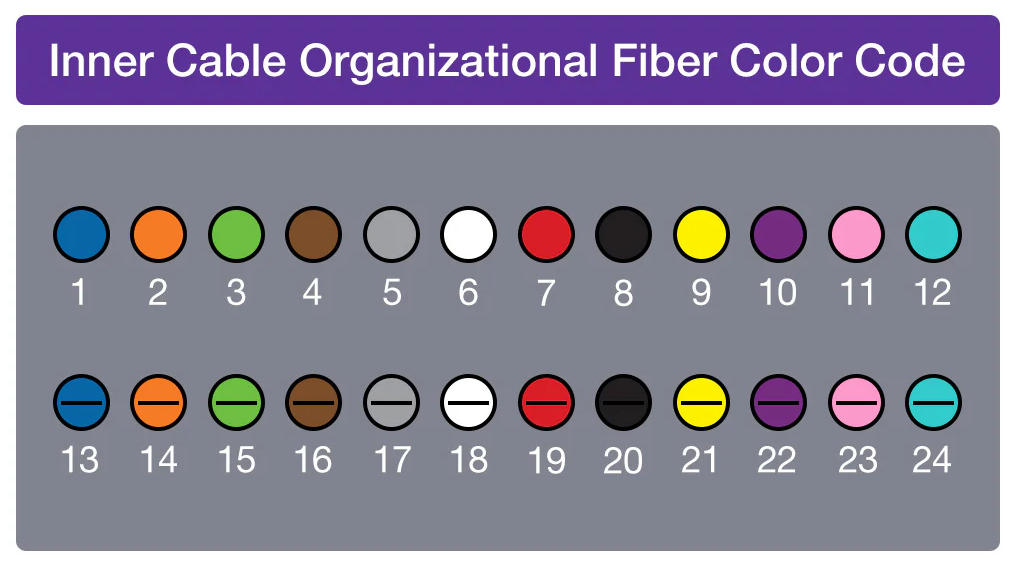
The type of fiber affects both the network’s reach and its budget, particularly in terms of fiber deployments. Singlemode fibers are ideal for long haul, high speed links, such as rural broadband or 5G backhaul, where signals could cover several kilometers between nodes. In contrast, multimode fibers are good for shorter runs within cities or campuses. ADSS cables allow you to choose from as few as two fibers all the way up to 288, scaling from a local link to a backbone. By matching fiber count and mode to your application, you avoid waste and keep costs in check. Installation tips become crucial with higher fiber counts, so preemptively planning splice points and network growth saves headaches later. Always verify that new optical fibers are interoperable with your existing gear.
Industry Standards
International organizations such as the ITU-T and IEC establish specifications for cable standards and safe installations, especially concerning aerial fiber deployments. Hitting these isn’t just box checking; it protects employees and maintains your network integrity. Most countries add their own safety regulations, so be sure to double-check local rules. Standards keep evolving as tech moves quickly, especially with innovations in fiber optics. Resources from organizations such as the Fiber Optic Association provide patch tips and guidance to keep aerial installs current, a priority for locations with harsh weather or booming development.
Mitigating Physical Stressors
Aerial fiber optic cables face a cocktail of physical stressors that can diminish longevity or potentially lead to service outages if not addressed from the beginning. Understanding the risks and choosing the right fiber optic cable with additional safeguards can significantly affect performance, long-term expenses, and overall quality of life, especially in aerial fiber deployments.
Wind and Ice
Wind and ice are hard on aerial cables. Strong winds may sway cables, resulting in abrasion at points of contact. Ice loads weigh down additional pounds which can stress or even break under-supported lines. In areas that experience severe winters or storms, ADSS and Figure-8 cables provide excellent remedies. ADSS cables are suitable for long spans up to 1000 meters even without messenger wires, making them perfect for open areas prone to icing and wind. Urban zones frequently use Figure-8 cables for short, static runs.
Messenger wires provide support, minimizing swaying and stress when wind or ice strike. Certain crews install using specialized installation techniques, such as additional anchoring or tension modification, for stability. Tracking weather forecasts allows teams to anticipate storms, minimizing failure surprises and maintaining service.
UV and Temperature
Cable jackets can be broken down by sunlight, especially UV rays, leaving exposed, brittle fibers. UV-resistant cables slow this process. Temperature swings, from scorching summers to arctic winters, result in cables expanding and contracting. If the cable can’t take that, cracks and breaks appear earlier.
Search for cables with a broad temperature rating. Water-blocking materials provide an additional barrier of protection, particularly in areas with frequent downpours or snowmelt. Shielding or routing cables away from direct sun, when possible, can extend their lifespan. In tracts with wild temperature swings, routine inspections pick up trouble early.
Wildlife Damage
Wildlife — errant squirrels, birds, and rodents — can gnaw, peck, or nest on cables. Out in the country or the woods, critters can be a serious threat. Wildlife guards can keep the majority of animals at bay, and certain cable designs use durable outer jackets or slippery surfaces to make it more difficult to chew.
Frequent walks along the line catch bite marks or nests before significant damage occurs. In high animal traffic zones, selecting a cable that has proven its durability against the critters can save tons of headaches later on.
Future-Proofing Your Network
Selecting aerial fiber optic cables is a matter of future-proofing your network. It’s not just about what works today, but what will work years from now. With the proper strategy, you can future-proof a network that expands as you do, keeps expenses down, and weathers any storm. By focusing on aerial fiber deployments, you can ensure your infrastructure remains robust and adaptable.
Future-Proof Your Network Think about your bandwidth needs years down the road when selecting cables. Pick ones with more fibers than you currently require. If you believe your data appetite will grow, perhaps due to more users, different applications, or additional services, spare capacity keeps you from having to install new cables later. For instance, a 48-fiber cable may feel like overkill today, but if your network demands escalate, then that additional breathing room will pay off in time and dollars. This is a typical move for FTTH projects, where demand tends to soar.
Consider modular cable designs. These allow you to switch out or add fibers as tech evolves. It’s like a house with room to add on. ADSS (All-Dielectric Self-Supporting) cables are a sure bet in this regard. They don’t require a metallic strand to dangle and are great for future upgrades because you can pull new lines without heaps of additional equipment. These cables span long distances fast, which is perfect when it’s time to roll out service in a hurry or work in tough terrain, especially when considering cable installation in challenging environments.
Consider the long-term—how simple it’s going to be to expand your network. Aerial fiber optic cables fit many settings: cities, the countryside, even spots where digging for buried cable just won’t work. While their design does help to cover long spans between poles, you still need to plan for fiber strain and cable sag. If you skip this, cables can wear out prematurely or snap, resulting in additional repairs farther down the line.
Select cables with rugged, weatherproof outer jackets. Seek water-blocking and UV-resistant jackets. This is not merely a technical point. Your cables will survive even under intense sun or rain. Other cables double as lightning protection or even aid power lines, making them a clever choice for sophisticated builds, particularly in outdoor cable applications.
Conclusion
Selecting the ideal aerial fiber optic cable is a lot like selecting a good travel companion. You need one that matches the journey, can endure the bumps and won’t give up at the midway. Weather, weight, and where you hang the cable all play a role. Not all cables work the same, so check the specs and see how they line up with your needs. Seek out rugged jackets, ingenious designs and convenient methods to hang or splice lines. Growth planning keeps the wheels greased down the road. Tales from super-hot cities: how the right cable choice saves time and money. Got questions or want to share your own cable pick? Leave your comments below or trade notes with other pros.
Frequently Asked Questions
What are the main factors to consider when choosing an aerial fiber optic cable?
Pay attention to durability, weather resistance, load capacity, and compatibility with your existing infrastructure when selecting the right fiber optic cable for optimal outcomes.
How do aerial fiber optic cable types differ?
Aerial fiber optic cable is available in self-supporting and lashed varieties. Self-supporting cables have internal strength members, whereas lashed cables must be affixed to a messenger wire.
Why is the installation method important for aerial cables?
The installation method significantly impacts the choice of fiber optics, as certain cables like aerial fiber cables can be self-supporting, while others may require additional equipment for proper cable installation.
What physical stressors should be considered for aerial cables?
Take into consideration the effects of wind, ice, UV rays, and thermal expansion when selecting the right fiber optic cable, as it will endure these challenges and minimize maintenance.
How can I future-proof my aerial fiber optic network?
Opt for optical fiber cables with higher fiber counts and advanced coatings. This enables your network to scale and accommodate faster data rates as technology progresses.
Are all aerial fiber optic cables weatherproof?
Not all fiber cables are equally weatherproof. Verify if the cable comes with UV-resistant jackets and extra protection for regions with severe weather for enduring performance.
How does cable specification impact network reliability?
Pairing cable specs with site conditions, such as selecting the right fiber optic cable for aerial installations, keeps your data flowing and helps prevent outages or damage, facilitating steady network operation.