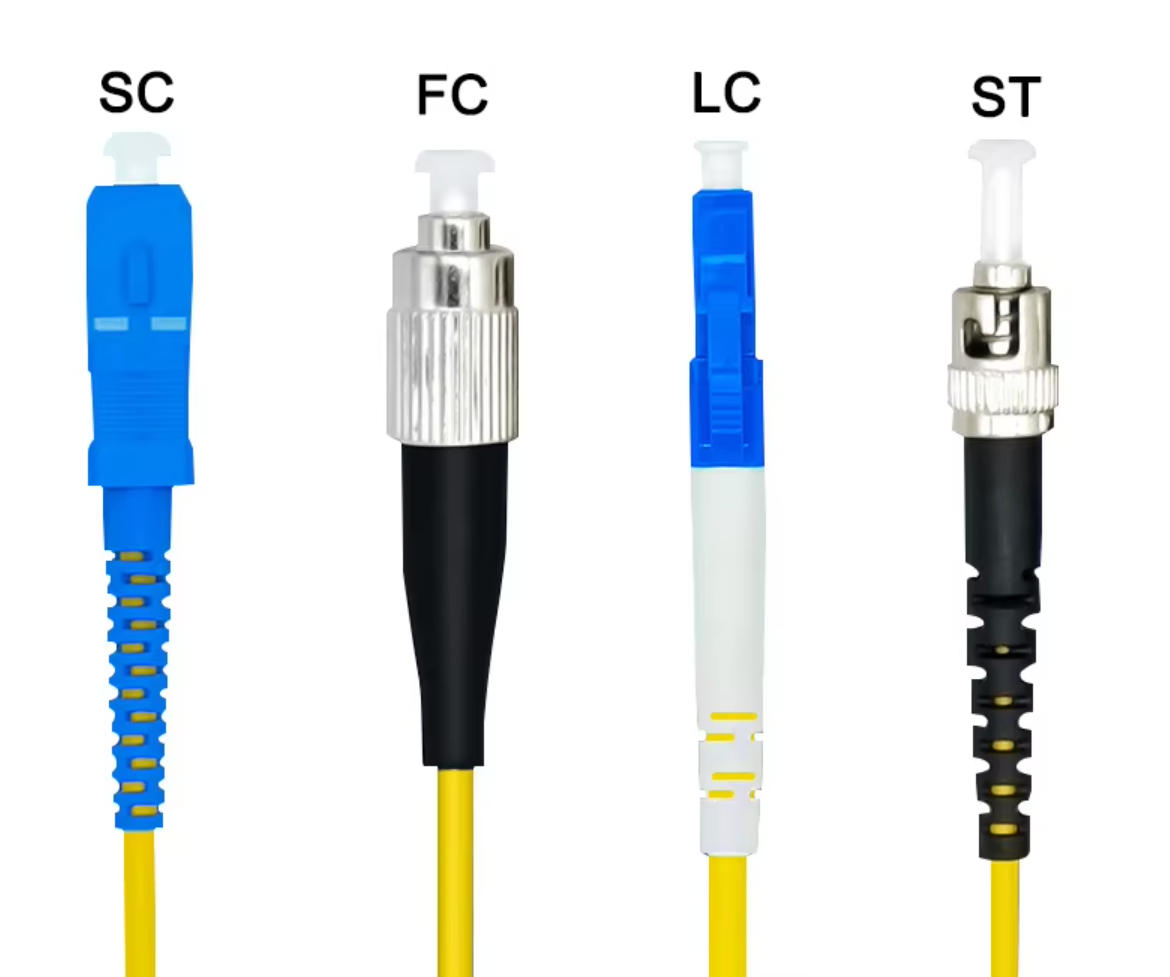
Fiber optic connector types are various types of small devices that connect fiber optic cables. For example, types like SC, LC, ST, and MTP all have their own construction, method of locking, and applications in actual configurations. SC connectors are push-pull connectors that commonly appear in data centers. LC connectors are smaller, so they fit well in tight spaces. ST connectors use a twist-on method and work best for older networks. MTP connectors allow a bunch of fibers to connect at one time, so they facilitate faster network activity. If you know which connector to use for what job, you’ll have less signal loss and fewer screw ups. In the following zones, get an uncluttered view of each and where they best fit.
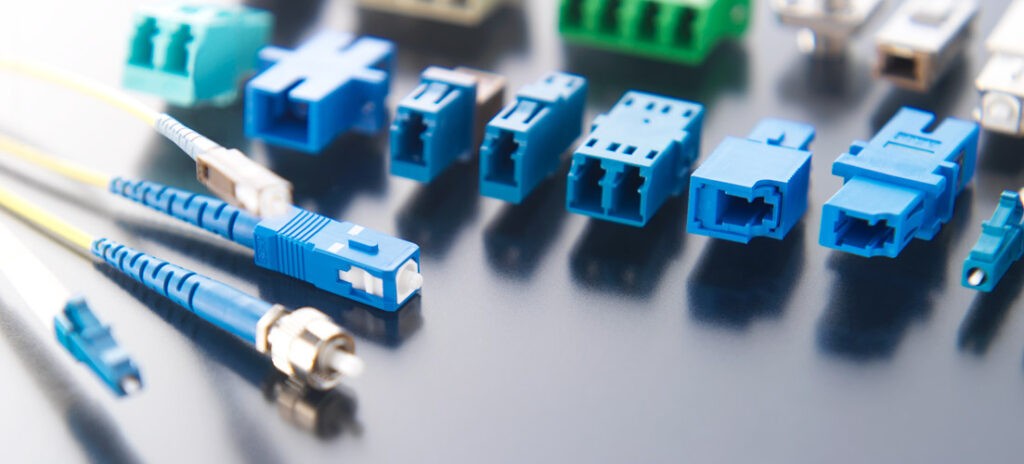
Knowing the key components of a fiber optic connector, like the ferrule, body, and coupling, can guide you to select the most optimal for durability and efficiency.
Various connector types including SC, LC, ST, FC, and MPO/MTP all serve different purposes and choosing the right connector for your network requirements is key.
Connector characteristics like polish type, fiber count, size, and durability have a direct impact on network performance and maintenance in the long term.
Environment, density, and equipment compatibility considerations should drive your connector selection for smooth operation and scalability.
An investment in good, compatible connectors cuts installation hassles, maintenance headaches and hidden costs in the long run.
By staying informed about connector trends and advancements, you have the power to create efficient, scalable, and reliable fiber optic systems.
Understanding Connector Anatomy
Fiber optic connectors, or terminations, are crucial for connecting two fiber optic cable ends, enabling optimal light signal transmission with minimal loss. These fiber connectors consist of three main components: the ferrule, the body, and the coupling mechanism. Each part plays a vital role in maintaining the fiber’s alignment and protection, which is essential for data velocity and fidelity in various applications, including telecom and data centers.
The Ferrule
The ferrule is the soul of every fiber optic connector. It secures the fiber and aligns it with the other fiber, ensuring optimal fiber connectivity and maintaining signal integrity. Ferrules differ in size, including 2.5mm (SC, FC) and 1.25mm (LC, MU), with most quality connectors utilizing zirconia ceramic ferrules due to their strength and dimensional stability. However, plastics are occasionally selected for cost or flex in less demanding situations. The polish on the ferrule—PC, UPC or APC—makes a huge difference. APC has the lowest back reflection of less than -65dB, which makes it perfect for high-speed configurations such as FTTH. The ferrule’s finish impacts how much light is lost at the connection, with typical insertion losses between 0.20 and 0.35 dB.
The Body
The connector body envelops and supports the ferrule, playing a crucial role in fiber optic connections. Its form factor and construction are vital for manageability and robustness, especially when considering different fiber connectors. A rugged body with a nice grip assists in plugging or unplugging in tight racks. Materials like metal and premium plastic are sought after for their defense against heat, dust, or moisture, while strain reliefs in the form of rubber boots protect the fiber cable connector types from bending or pulling, ensuring longevity in bustling data centers.
The Coupling
The coupling mechanism is what locks two connectors together, ensuring the fibers remain aligned. Some utilize a straightforward push-pull style, which is common among fiber connector types like SC and LC connectors. Others twist to lock, such as FC connectors, providing a more secure grip ideal for environments with extensive vibrations. Push-pull types are fast to install and convenient to manage, particularly in environments requiring frequent reconfiguration. The durability of the coupling is a big factor in heavy-use environments, and quality couplings reduce the amount of time required to perform maintenance on fiber optic connections.
The Most Common Fiber Optic Connector Types
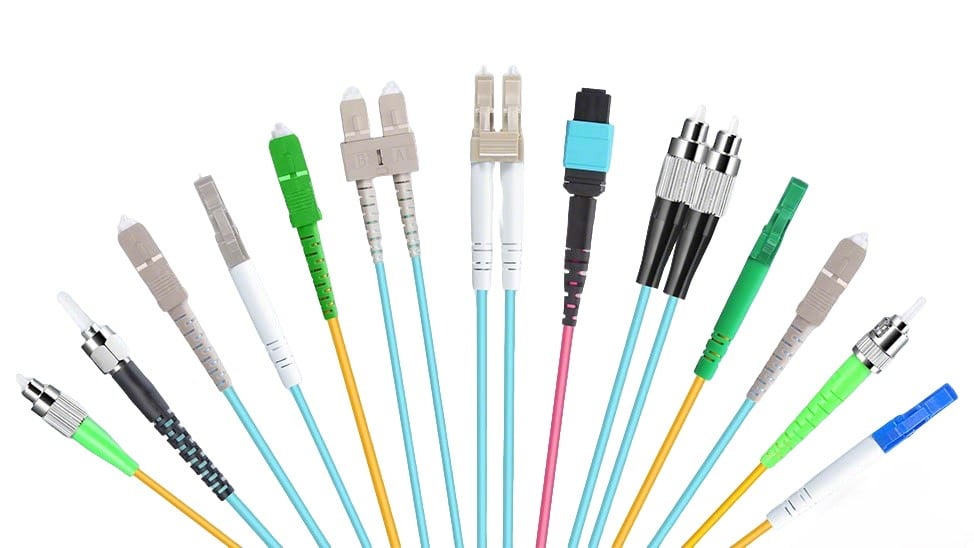
Selecting the appropriate fiber optic connector is essential for creating robust, high-speed networks. These connectors come in a few flavors with individual strengths, applications, and oddities. Here’s a table to help compare the essentials:
Connector | Features | Applications | Pros | Cons |
|---|---|---|---|---|
SC | Snap-in, 2.5mm ferrule, simplex/duplex | Telecom, CATV, LAN | Easy to use, reliable | Bulky, less suited for high density |
LC has a 1.25mm ferrule and is a small form factor (SFF) connector. It can be simplex or duplex and is commonly used in data centers, telecom, and office LAN environments. This connector is space-saving and offers low loss, but it has a fragile latch that can be hard to handle in tight spots.
ST Bayonet lock: 2.5mm ferrule. Industrial, legacy LAN, broadcast. Sturdy and good in harsh settings. Outdated and not for high density.
| FC | Screw-on, 2.5mm ferrule | Labs, test equipment, backbone | High precision, strong lock | Tricky to install, slow for patching |
| MPO/MTP | Multi-fiber (up to 24), push-pull | Data centers, high-speed networks | Fast installation, high capacity | Complex alignment, expensive |
1. The Workhorse: SC
SC connectors, which have been a staple since the 1980s, were originally manufactured by NTT and are known for their push-pull design that allows for easy plugging and unplugging. They perform well with both single-mode and multimode fiber connectors, making them suitable for a wide range of applications. In telecom and local networks, SC is a preferred choice due to its broad compatibility with both legacy systems and modern setups. Although the connector’s size is larger than other fiber connector types, its robust build ensures durability and reliability.
2. The High-Density Champ: LC
LC connectors, known for their small form factor and 1.25mm ferrule, are essential in fiber optic cabling, fitting more connections into compact spaces. This is particularly beneficial in data centers where every centimeter counts. The popularity of LC fiber optic connectors has surged in modern networks due to their low loss and robust connection. Companies like oufu offer custom LC solutions for efficient network builds, ensuring that fiber connectivity remains reliable even as networks expand.
3. The Rugged Veteran: ST
ST connectors feature a bayonet-style lock that requires a twist to secure the connection, making them reliable for fiber optic connections in challenging environments like factories or outdoor installations. While ST connectors were once prevalent in multimode fiber applications, their use has declined as smaller connector types have gained popularity. However, they remain a staple in legacy installations where a robust and easy lock is essential.
4. The Precision Player: FC
FC connectors, known for their screw-on coupling, ensure stable, high-quality fiber optic connections in laboratories and telecommunications backbones. Their threaded precision is crucial for minimizing signal loss over long distances, making them a reliable choice for multimode fiber applications. However, they require more time to connect and are not ideal for quick swaps, yet they maintain their value where precision and low loss are essential.
5. The Multi-Fiber Powerhouse: MPO/MTP
MPO and MTP connectors, known as fiber connector types, can connect as many as 24 fibers at a time, making them the backbone of high-density data centers and blazing-fast backbone networks. They significantly reduce install time and cabling ratsnest, accelerating big initiatives. Although aligning so many fibers introduces complexity, the advantages in speed and scale are worth it. MPO/MTP is compatible with both single-mode fiber and multimode fibers, ensuring adaptability for numerous applications.
Specialized and Legacy Connectors
Specialized and legacy fiber connector types are important in fiber optic networks, particularly for systems that incorporate older equipment or custom configurations. These different fiber connectors are valuable for industries where replacing old parts is difficult or expensive. Nearly every network now employs a combination of specialized, miniature, and multimode fiber connectors to keep things flowing conveniently and steadily.
Smaller Form Factors
Smaller form factor connectors, like the LC, are now common in tight spaces. Their 1.25mm ferrule is approximately half the size of legacy connectors, so they nestle nicely in congested racks and dense patch panels. They assist enterprises in deploying more fibers with less space, which counts in hyperscale data centers and telecom closets. For telcos, these tiny connectors accelerate upgrades and simplify service, all while cramming more lines into the same footprint. LC and MTRJ allow networks to scale without a hassle.
Standard connectors and small connectors may have different performance. Smaller ones can require more gentle handling to not lose alignment. Once in place, they can rival bigger connectors in speed and signal quality. Trends indicate miniaturization will continue, enabling networks to fit more power into less space.
Industrial Applications
Industrial fiber optic connectors are built for harsh environments. Connectors such as the FC employ a ceramic ferrule and robust screw-on construction, designed for environments with vibration, dust or moisture. These rugged connectors maintain secure connections and protect data, even through heavy use or inclement weather. They are critical in automation and control, where any slip could mean downtime or lost data.
Businesses choose these connectors for power and dependability. In factories or outdoor setups, ruggedness is more important. Some industrial connectors are even tested for shock, heat, and chemicals, so they perform where regular connectors would break down. This allows machines and sensors to remain connected, ensuring automation is safer and more reliable.
Obsolete Designs
Out-of-date fiber optic connectors, such as the ST and a few antique FC varieties, still pop up in aged networks. Several utilize a 2.5mm ferrule and can function with hybrid adapters, but they don’t come close to the density or convenience of new connectors. Their size and demand for extra space restrict upgrades and impede repair.
Swapping out legacy connectors can be delicate. Old networks won’t plumb new parts, so teams require adapters or complete swaps to stay updated. Going to newer tech delivers big victories. New connectors deliver higher speeds, take up less space, and last longer, making your networks future-ready.
Key Connector Differentiators
Fiber connectors, including various fiber connector types, are available in a variety of shapes and styles, each with specific characteristics. Choosing the right one is about understanding their differentiators. Fundamental characteristics such as polish type, fiber count, connector size, and durability define how fiber optic connections perform and where they are best suited. Even minor distinctions can matter a great deal when it comes to network performance, maintenance, and price.
Differentiator | Options / Range | Performance Impact | Typical Use Cases |
|---|---|---|---|
Polish Type | PC, UPC, APC | Return loss, signal loss | Telecom, data centers, CATV |
Fiber Count | Simplex, duplex, multi | Scalability, install | Enterprise, backbone, FTTH |
Physical Size | Large, small, mini | Density, flexibility | Data centers, residential, field |
Durability | High, moderate, low | Lifetime, maintenance | Outdoor, industrial, office |
Polish Type
Polish types modify the behavior of light inside the connector. PC, UPC, and APC are the primary types. PC (Physical Contact) is the standard, offering a rounded surface that reduces signal loss. UPC (Ultra Physical Contact) receives a paler polish, reducing return loss even further, resulting in cleaner signals over longer distances. APC (Angled Physical Contact) has an 8° angle, which bounces stray light into the cladding instead of back down the fiber. That’s a huge victory for networks requiring the utmost quality of signal, such as video streaming or telecom backbones.
Return loss numbers speak volumes. APC typically provides in excess of -60 dB, UPC is situated near -55 dB, and PC at -40 dB. The higher the return loss, the noisier your line. UPC and APC connectors stay cleaner longer between cleanings, as their polish types keep dust and dirt out. APC triumphs for challenging installations where upkeep is a pain.
Fiber Count
Fiber count designates how many fibers reside within a single connector type. Simplex connectors contain one, while duplex fiber connectors contain two, and multi-fiber types, such as MPO fiber connectors, can contain 12, 24, or even more. More fiber means you can transmit more data at one time; however, installation becomes more difficult and prices can soar. For large offices or data centers, high fiber counts allow networks to scale quickly without replacing equipment. As fiber count increases, fiber connectors become larger and more fiddly, making it important to maintain balance.
Physical Size
Connector size determines how close you can cram cables. In tight quarters, such as a dense rack, mini or small-form fiber connectors, like the LC connector, keep wiring tidy and manageable. Bulkier connectors may seem sturdy but consume space, restricting choices in compact builds. Compact fiber optic connections, such as LC, nestle perfectly in tight spaces and assist in cable management, which is important for aesthetics and airflow.
Durability
Connectors, especially fiber connectors, are exposed to dust, weather variations, and physical abuse, particularly outdoors or in industrial environments. Hard materials, such as zirconia ceramic ferrules, enhance the durability and performance of fiber optic connections under duress. If connectors, like multimode fiber connectors, must bend or twist frequently, durability is essential to prevent downtime and maintain fiber connectivity.
How to Select the Right Connector
Selecting the appropriate fiber connector types involves balancing technical requirements with your system and future plans for fiber optic connections. Here’s a checklist to guide the process.
Define the application—data center, campus, industrial, or outdoor.
Check transmission mode: single-mode for long distances and high speed of 10 to 40 Gbps. Multi-mode is for shorter runs of 100 Mbps to 10 Gbps.
Consider transmission distance and bandwidth requirements.
Assess environmental conditions: temperature, dust, moisture, and vibration.
Determine the connector type and whether it is a push-pull, screw, or bayonet coupling.
Determine cable construction—simplex (one fiber) or duplex (two fibers).
Select polish style (PC, UPC, APC) and verify for return loss.
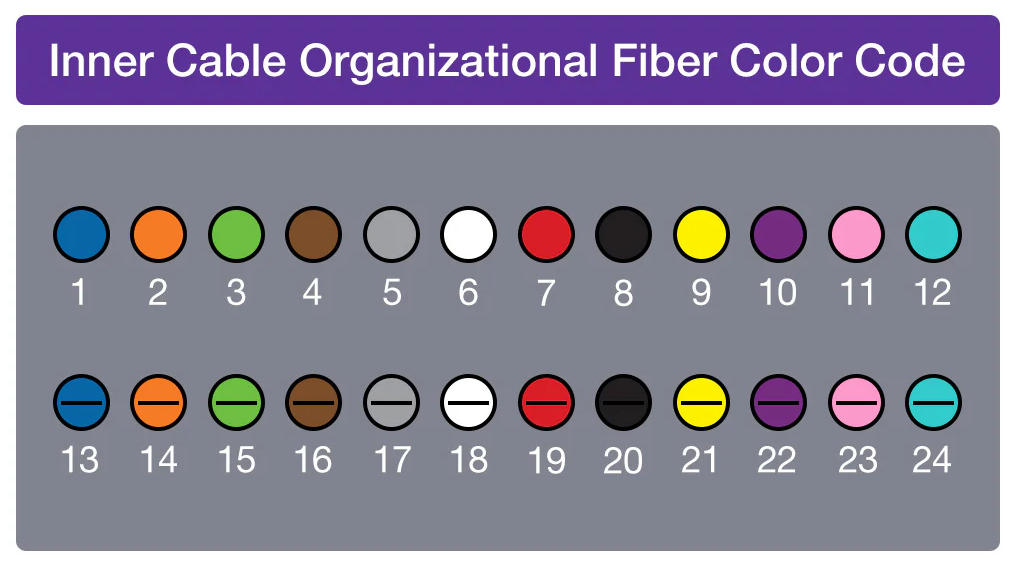
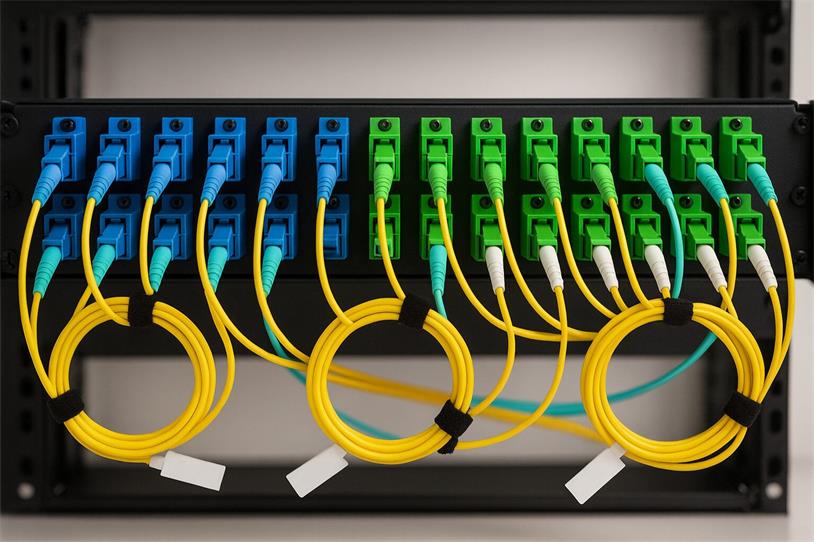
Use color codes to identify connector types.
Review insertion loss and return/reflection loss specifications.
Make sure the connector matches current and future equipment.
Assess Your Environment
Temperature swings
Humidity
Dust or dirt
Vibration or movement
Indoor/outdoor exposure
Extreme heat or cold can affect the function of fiber connectors, occasionally causing signal dropout. In humid rooms or outdoor jobs, using fiber optic connections that prevent moisture is essential. For dusty or mobile locations, ruggedized multimode fiber connectors maintain signal strength, as certain connector types are designed specifically for these applications with enhanced seals or unique coatings.
Consider Density Needs
High density connectors, such as multimode fiber connectors, conserve space in crowded network racks. If you’re stacking ports or working in a jammed data center, these fiber cable connector types allow you to cram even more fiber optic connections into fewer spaces. With greater density, manipulation and cleaning become more complicated, increasing the potential for errors. For work in cramped quarters—telecom closets or large enterprise networks—density is king.
Match Your Equipment
Connectors are equipment specific, and using the wrong fiber connector types can lead to signal drops or slow speeds. Standards like LC, SC, and ST fiber optic connectors ensure compatibility. Mismatched connectors can result in bad reflections or slow speeds, so making good choices on multimode fiber connectors can lead to smoother installs and fewer headaches down the road.
Plan for the Future
Aspect | Adaptability Option | Benefit |
|---|---|---|
Scalability | Modular connectors | Easy upgrades |
Flexibility | Hybrid adapters | Mix new and old systems |
Longevity | Low-loss connectors | Better support for higher speed |
Upgradability | Field-installable types | Quick, cost-effective changes |
When networks grow, different fiber connectors that evolve or scale are best. Modular or hybrid fiber optic connections allow you to combine old and new equipment, ensuring efficient fiber connectivity.
The Unseen Impact of Connector Choice
Selecting the appropriate fiber optic connector types is not simply a matter of choosing a minuscule component; it defines the performance of your entire network. Each fiber connector has its own unique profile, from light loss to durability.
Installation Realities
Fiber optic connectors may seem trivial, but their installation is not always straightforward. The design of a connector, whether it features a specific fiber connector type or a particular style of polishing on the end-face, significantly impacts the installation process. UPC connectors have smooth, flat end-faces, while APC connectors feature an angled cut. This slight angle helps reduce return loss, but it requires installers to be more cautious and utilize specialized tools for proper fiber optic connections.
Training is more crucial than many realize. If someone is unaware of how to clean or align a fiber connector, they risk leaving it dirty or misaligned, which can quickly increase insertion loss. Just like any skilled craftsman, having the right tools — precision cleavers, inspection scopes, and cleaning kits — is essential to avoid rookie mistakes. However, even the best tools cannot compensate for poor design. Certain multimode fiber connectors, especially the cheaper types, can be more challenging to align, leading to complications during installation.
Maintenance Headaches
Dirt on connectors is the number one problem. It results in higher insertion loss.
Worn or scratched end-faces lead to poor signal.
Misaligned ferrules increase return loss and lower network speed.
Certain connector types draw dust more readily or are more difficult to clean.
What you select at the beginning affects your fiber optic connections down the road. Ferrule alignment and end-face design can make maintenance quick or a chore. Selecting fiber connector types that are simple to clean and inspect reduces downtime. Training staff to identify and address problems early prevents minor issues from becoming disruptive. If a fiber connector is well constructed, it tends to require less active maintenance.
Long-Term Costs
Purchasing the least expensive connector can appear savvy initially. Over years, though, costs add up with more repairs, lost time, and slower upgrades. High insertion loss or bad return loss leads to more callouts and new parts. A quality connector, one with tight ferrule alignment and a pristine end-face, costs more initially, but it pays off by keeping the network up and running.
You pay for connectors over time by choosing the right ones for you. Total cost of ownership drops when you do not have to repair or clean connectors as frequently. Quality connectors provide greater dependability so you invest less in reactive fixes and more in proactive expansion.
Conclusion
Fiber optic connector types All of them have a purpose, from the basic snap-in SC to the mini LC or old-school ST. Choosing the right one does more than keep cables tidy. It defines velocity, maintains signal purity, and can save hours or money. Whether in data halls, street cabinets, or school labs, the right connector just works. Take a quick scan of the gig, the cable, and your requirements and it can steer your choice. Looking for an easier installation or hassle-free replacements? The correct connector goes a long way. Experiment with new types, seek guidance, or contribute your own tips. Your next project just got a whole lot easier with the right pick!
Frequently Asked Questions
What are the main types of fiber optic connectors?
The most common fiber connector types are SC, LC, ST, and MTP/MPO connectors. Each type of fiber optic connector is designed for specific purposes, offering unique characteristics for data and telecommunications networks.
How do I choose the right fiber optic connector?
Choose according to your network’s needs, including fiber connector types, single-mode or multimode fiber connectors, and installation settings. Connectivity and speed matter.
What is the difference between single-mode and multi-mode connectors?
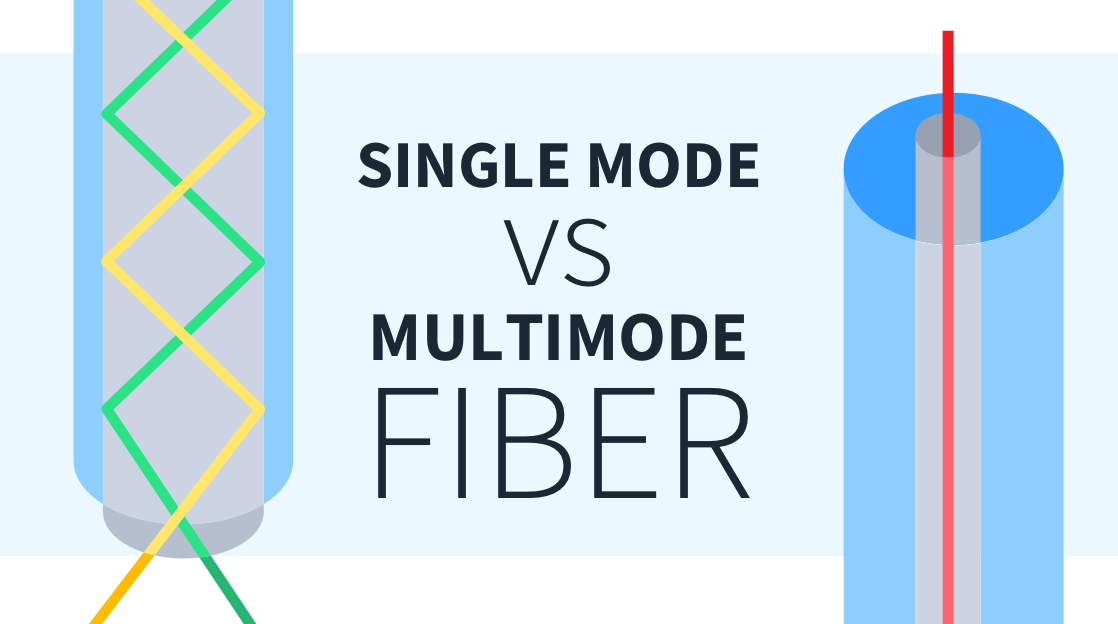
Single-mode fiber connectors are utilized for long-distance, high-speed data transmission, while multimode fiber connectors are designed for shorter distances and are more economically priced for local networks.
Why is connector quality important in fiber optic systems?
High quality fiber connectors avoid such loss and interference. This guarantees dependable, lightning-fast data transfer, which is a necessity for fiber optic connections and network durability.
Are there connectors designed for specific environments?
Yes, a few fiber connector types are designed for rugged or outdoor applications, providing additional protection against dust, moisture, and temperature variations.
Can I mix different connector types in the same network?
There are adapters for mixing different fiber connectors, but this can lead to signal loss or compatibility issues. It is best to remain consistent with fiber connector types across the network.
What is the impact of poor connector choice?
A bad selection of fiber connector types will result in data loss, slower speeds, and high maintenance costs. Choosing the proper fiber connectors aids in providing a reliable and high-performing network.