Outdoor fiber optic cables are critical components in modern communication networks. They connect cities, campuses, base stations, industrial facilities, and even rural regions, enabling high-speed communication over long distances. However, choosing the right outdoor fiber optic cable is not always simple. Different environments—such as aerial routes, ducts, harsh soil, or high-wind zones—have different requirements.
This comprehensive guide explains all major outdoor fiber optic cable types, their structures, uses, advantages, and selection criteria.
1. What Is an Outdoor Fiber Optic Cable?
Outdoor fiber optic cables are designed for harsh environments where temperature, moisture, UV rays, tension, rodents, and physical impact may occur. Compared with indoor cables, outdoor fiber cables feature:
- UV-resistant PE jackets
- Stronger tensile performance
- Water-blocking material
- Additional strength members
- Optional steel or corrugated armor
- Greater durability for long-distance installation
2. Key Features of Outdoor Fiber Cables
Before exploring cable types, it’s essential to understand what makes outdoor fiber cables unique.
2.1 UV and Weather Resistance
Outdoor cables must withstand sunlight, rain, snow, humidity, and temperature fluctuations.
2.2 Tensile and Bending Strength
Necessary for aerial installation or long duct pulling.
2.3 Water Blocking & Gel Protection
Loose-tube structures typically include gel or water-blocking yarn.
2.4 Rodent and Mechanical Protection
Armored cables use steel tape or corrugated steel for anti-rodent performance.
2.5 Lightning and Electrical Isolation (ADSS)
Aerial dielectric cables prevent electromagnetic interference.
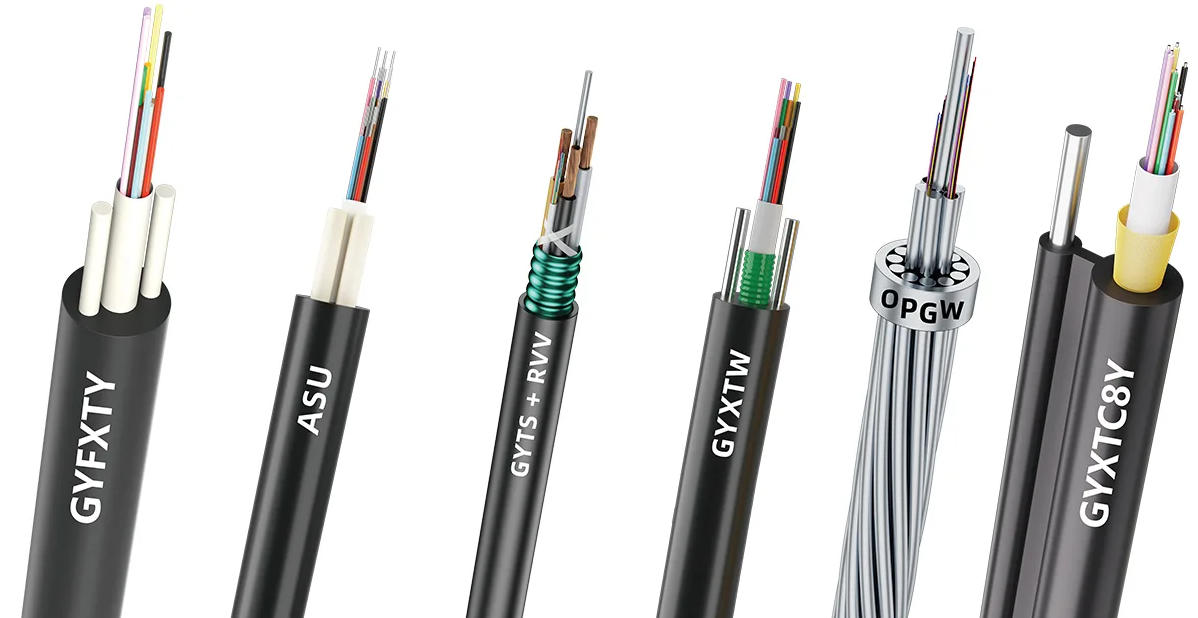
3. Main Types of Outdoor Fiber Optic Cables
Below are the industry’s most widely used outdoor fiber cable types. Each type suits different installation methods: aerial, duct, direct burial, or facade.
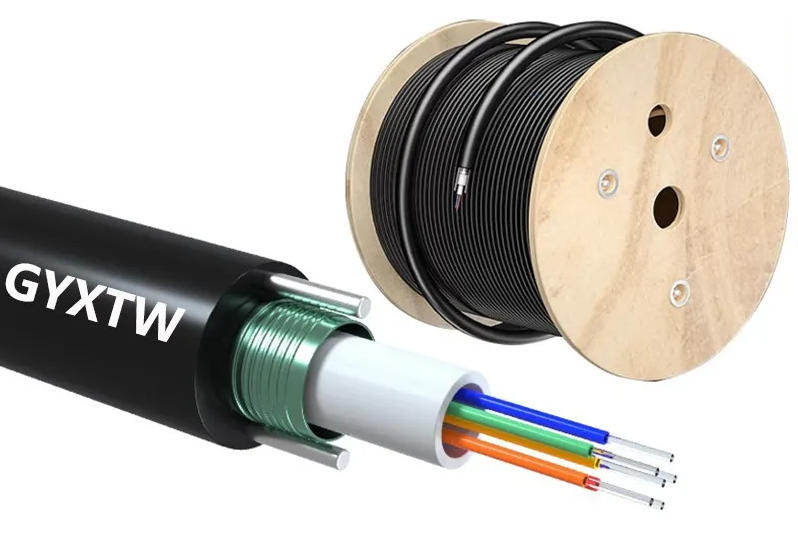
3.1 GYXTW Outdoor Fiber Optic Cable
GYXTW is one of the most common outdoor cable structures.
Structure
- Central loose tube with fibers
- Water-blocking gel
- Steel wire strength members
- PE jacket
Best For
- Duct installation
- Light direct burial
- General outdoor backbones
Advantages
- Compact structure
- Stable mechanical performance
- Good anti-moisture design
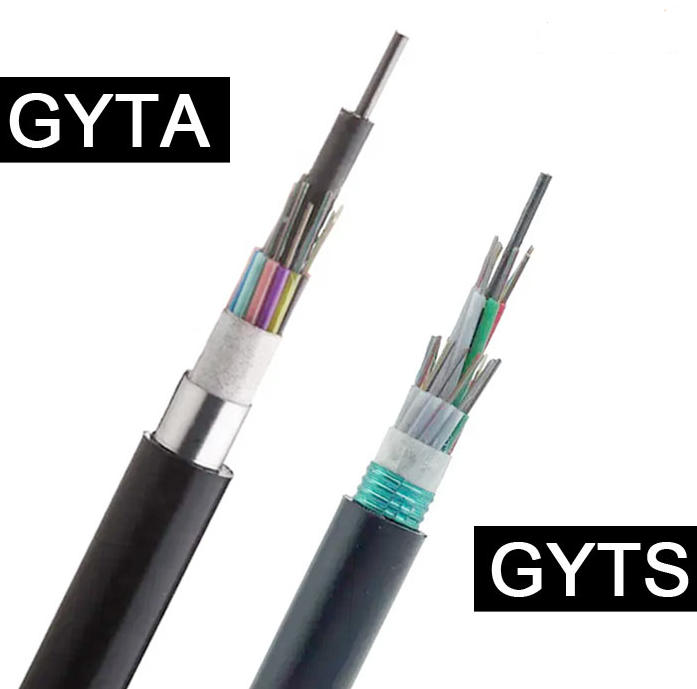
3.2 GYTS / GYTA Outdoor Fiber Optic Cable
(Multi-Loose Tube Cable)
GYTS and GYTA are widely used for long-distance backbone networks.
GYTS Structure
- Multiple loose tubes
- Water-blocking jelly
- Corrugated steel tape armor
- PE jacket
GYTA Structure
- Multiple loose tubes
- Water-blocking yarn
- Aluminum tape (instead of steel)
- PE jacket
Best For
- Backbone routes
- Duct and direct burial
- Multi-core requirements (24–144 fiber count)
Advantages
- Superior mechanical protection
- Strong crush resistance
- Excellent for rural and metropolitan networks
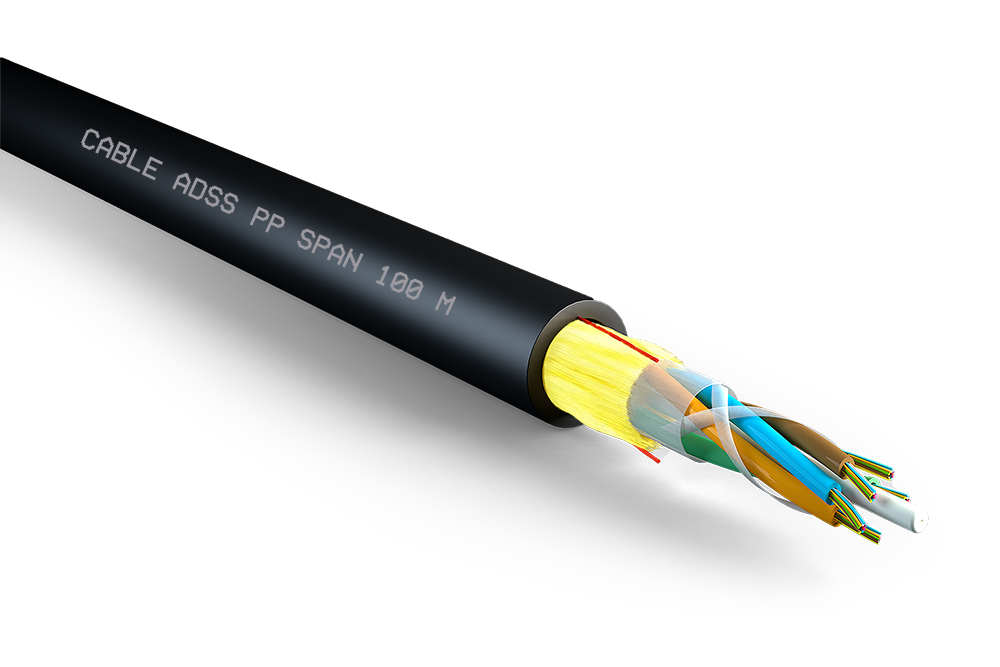
3.3 ADSS Cable
(All-Dielectric Self-Supporting Cable)
ADSS is designed for aerial installation on utility poles.
Structure
- Dielectric structure (no metal)
- Multiple aramid yarn layers
- Loose tubes
- Weather-resistant PE or AT (anti-tracking) jacket
Best For
- Aerial installation parallel to power lines
- Long span routes
- Telecommunication & power utility networks
Advantages
- Lightweight
- No grounding needed
- Resistant to lightning
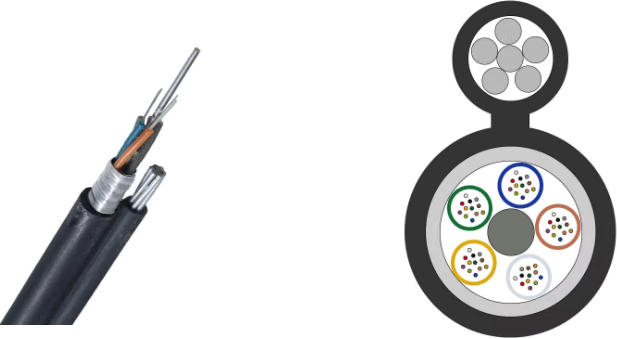
3.4 Figure-8 Aerial Cable (Self-Supporting)
This cable integrates a steel messenger wire for easy suspension.
Structure
- Optical cable on one side
- Steel messenger wire on the other
- Figure-8 shape
Best For
- Aerial installation in short and medium spans
- FTTH distribution networks
Advantages
- Easy installation
- Low cost
- Good mechanical support
3.5 Armored Outdoor Fiber Optic Cable
Armored cables are ideal for areas with rodents, rocky soil, or risk of mechanical damage.
Types of Armoring
- Steel tape armored (STA)
- Corrugated steel tape armored (CSTA)
- Steel wire armored (SWA)
Best For
- Direct burial
- High-risk soil environments
- Rodent-prone areas
Advantages
- Maximum protection
- High crush resistance
- Outstanding durability
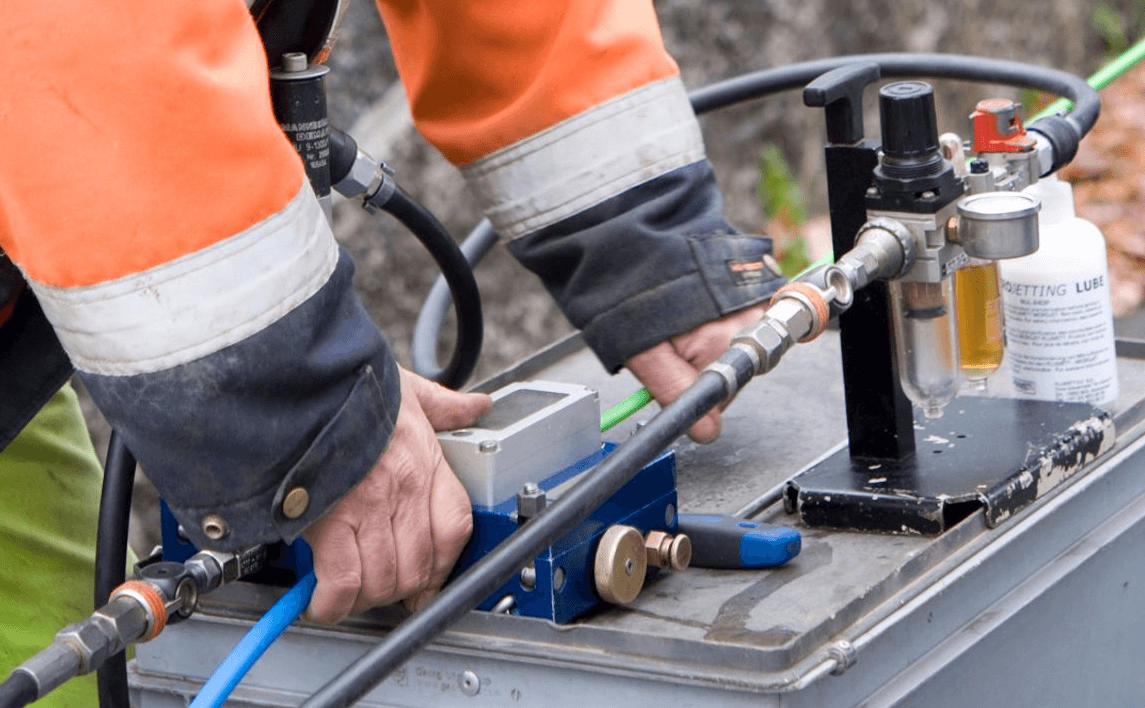
3.6 Mini Outdoor Cable (Micro-Cable)
Mini cables are compact and lightweight for micro-duct installation.
Structure
- Ultra-thin loose tubes
- High-density PE jacket
- Water-blocking yarn
Best For
- Blowing installation in micro-duct
- Urban FTTx
- Data center campus routes
Advantages
- Smaller diameter
- Longer blowing distance
- Cost-effective
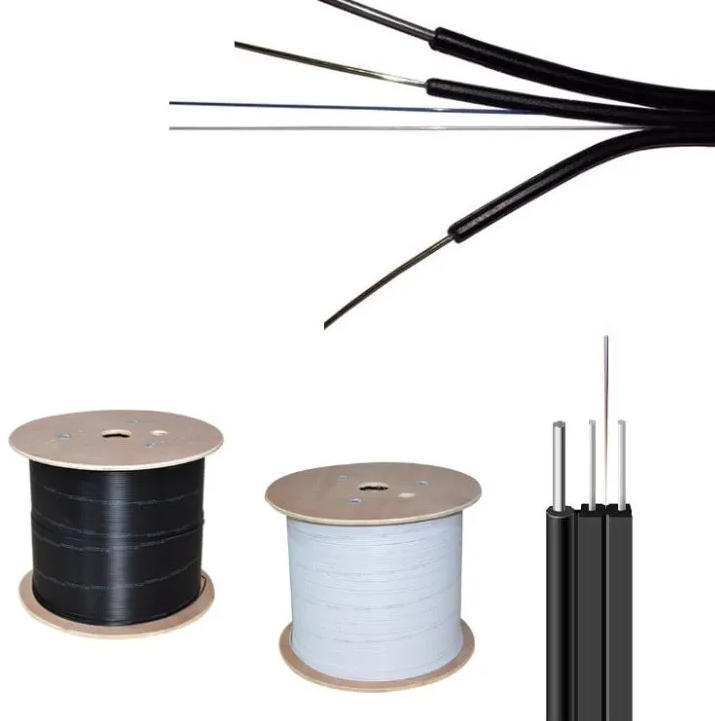
3.7 FTTH Outdoor Drop Cable
Drop cables run from distribution points to homes or buildings.
Types
- Flat drop cable
- Round drop cable
- Self-supporting drop (with messenger wire)
- Armored FTTH drop cable
Advantages
- Low cost
- Easy termination
- Ideal for last-mile connections
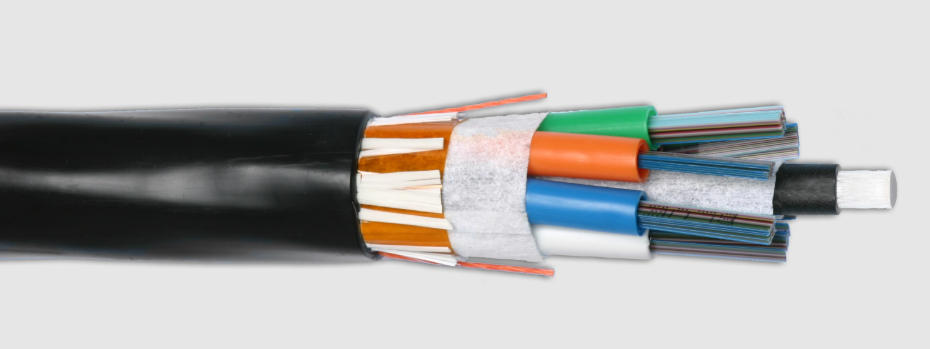
3.8 Ribbon Outdoor Fiber Optic Cable
Ribbon cables carry many fibers in compact coatings.
Best For
- High-density backbone networks
- Long-haul routes
Advantages
- Up to 288 or 432 fibers
- Fast mass fusion splicing
- High fiber density
3.9 Armored + Aerial Hybrid Cable
Some outdoor routes need high tensile strength + rodent protection.
Structure
- Steel wire strength members
- Steel tape armor
- Loose tubes
- PE jacket
Best For
- Harsh climates
- Mixed aerial + direct burial routes
4. How to Choose the Right Outdoor Fiber Cable
4.1 For Aerial Installation
Choose:
- ADSS cable (for power line routes)
- Figure-8 cable (for telecom or FTTH)
4.2 For Duct Installation
Choose:
- GYXTW
- GYTA
- Mini micro-duct cable
4.3 For Direct Burial
Choose:
- STA / CSTA armored cable
- Heavy-duty armored outdoor cable
4.4 For Harsh or Rodent Areas
Choose:
- Steel wire armored
- Corrugated steel armored
4.5 For Long Distance Backbone
Choose:
- GYTS
- Ribbon fiber cable
5. Fiber Types Used in Outdoor Cables
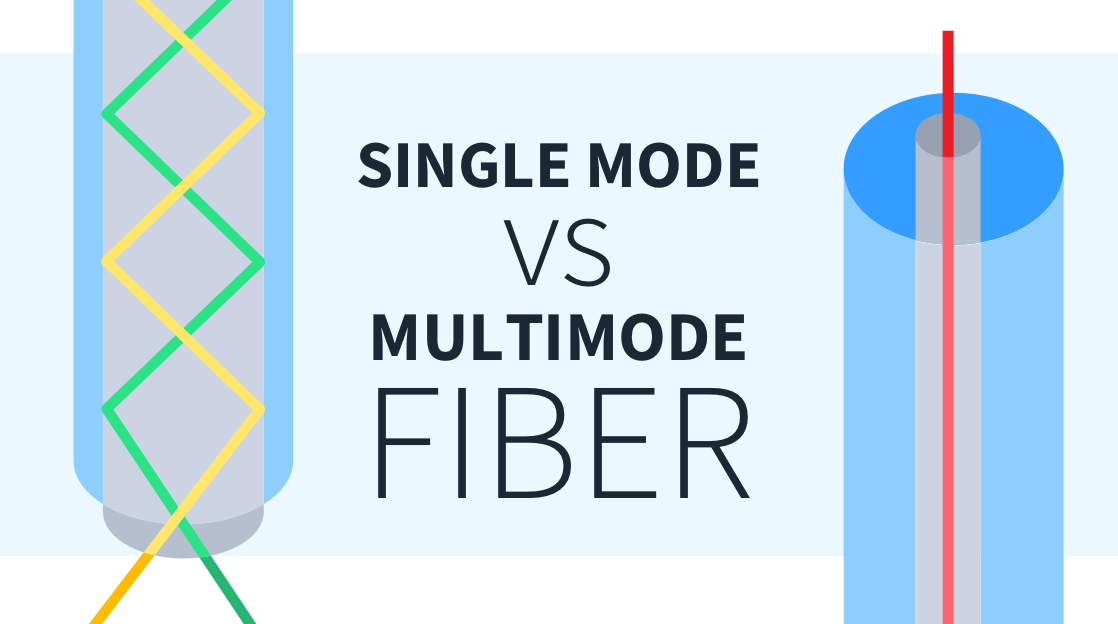
Outdoor cables commonly use single-mode fibers, such as:
- G652D
- G657A1
- G657A2
G657A2 is now the most widely used because of its excellent bend performance.
6. Jacket Types for Outdoor Fiber Cables
PE (Polyethylene) Jacket
Most common, excellent UV resistance.
HDPE (High-density PE)
Higher crush resistance, ideal for ducts.
AT Jacket (Anti-Tracking)
Used for ADSS cables near high-voltage lines.
7. Common Applications of Outdoor Fiber Cables
- FTTx networks
- Long-distance telecom routes
- Campus and enterprise outdoor networks
- Aerial pole-to-pole fiber routes
- Underground duct systems
- Backbone intercity networks
- CCTV and security outdoor connections
- Industrial environments
8. Outdoor Fiber Cable Testing Requirements
- OTDR test
- Attenuation test
- Tensile strength
- Crush resistance test
- Water penetration
- Temperature cycling
- Impact test
- UV aging
9. Outdoor Fiber Cable FAQ
1. What is the best outdoor fiber optic cable for long distance?
GYTS or ribbon fiber.
2. What outdoor fiber cable is suitable for aerial installation?
ADSS or Figure-8.
3. Do outdoor fiber cables need to be armored?
Only if installed in rocky or rodent-prone areas.
4. Can indoor fiber cables be used outdoors?
No—indoor cables lack UV and water resistance.
5. Which fiber type is recommended in 2026?
G657A2.
10. Conclusion
Outdoor fiber optic cables come in many structures because outdoor environments can vary dramatically. Choosing the correct cable type—GYXTW, GYTS, ADSS, Figure-8, armored cable, mini-cable, or FTTH drop cable—ensures long-term performance, low maintenance, and high-speed communication.