In the rapidly evolving landscape of telecommunications and data networking,
Air Blown Fiber Optic Cable (ABF) has emerged as a transformative technology, redefining how fiber optic infrastructures are designed, installed, and scaled. Unlike traditional fiber optic cables that rely on mechanical pulling, air blown fiber utilizes high-speed compressed air to “jet” lightweight, specialized microcables through pre-installed microducts. This revolutionary method delivers unparalleled efficiency, flexibility, and cost savings, making it the preferred choice for modern FTTH, 5G, data center, and long-haul network projects worldwide. As global demand for high-speed broadband and seamless connectivity surges, understanding air blown fiber optic cable—its core mechanics, key advantages, diverse applications, and market trajectory—is essential for industry professionals, network engineers, and businesses aiming to build robust, future-ready communication networks.
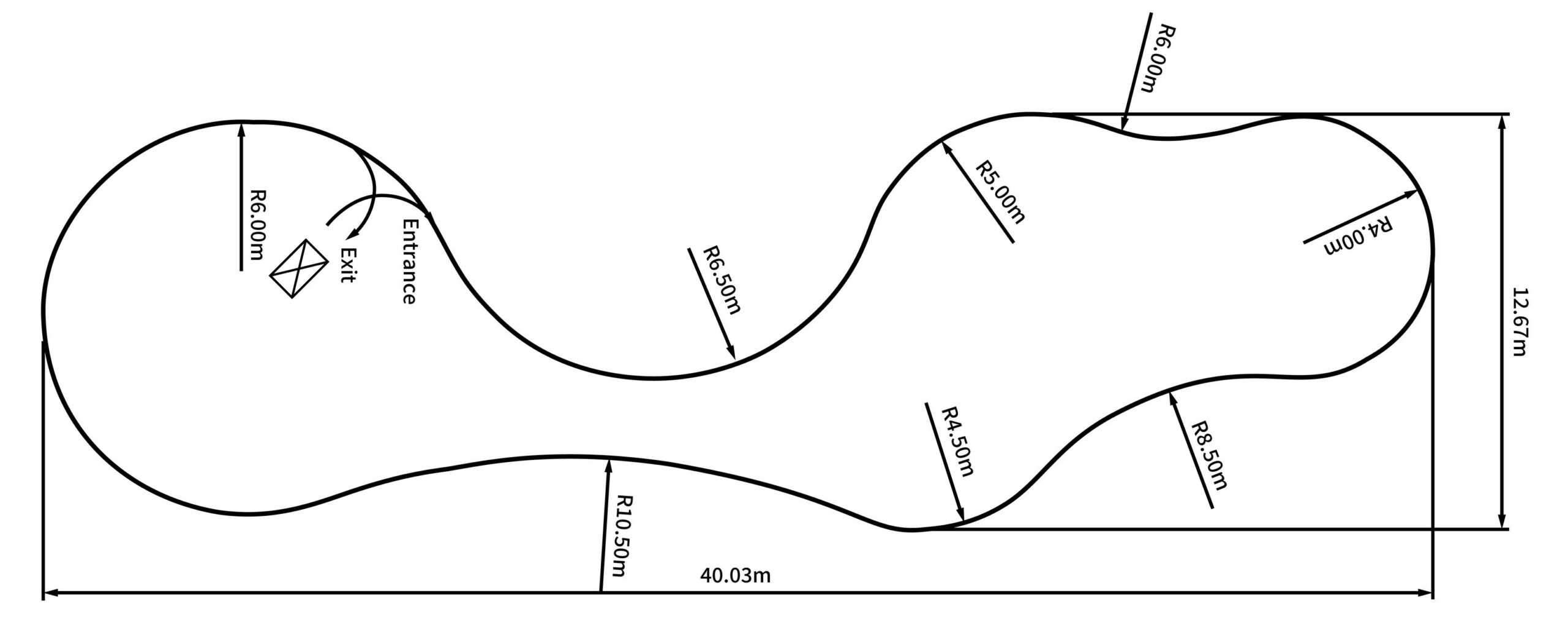
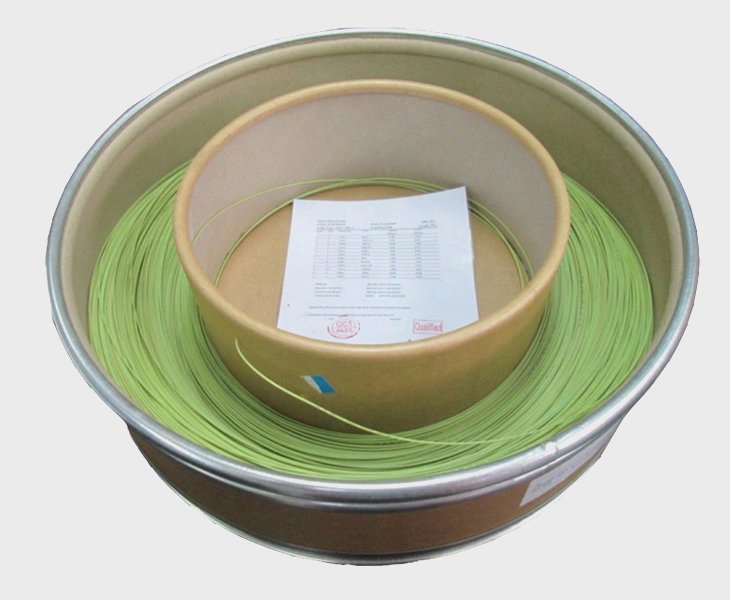
EPFU air blown cable, we successfully challenged the hardest and longest air-blown route 1030m(demands 1000m).
EPFU Enhanced Performance Fiber Units Air-Blown is an ideal solution for FTTX .suitable for 5/3.5mm micro duct. we successfully challenged the hardest and longest air-blown route 1030m(demands 1000m). Air-blown router provided by Vetter .speed :43/min.duration:24min.
What is Air Blown Fiber Optic Cable? Core Principles & Components
Air blown fiber optic cable, often referred to as blown fiber or jetting fiber, is not merely a cable type but a complete end-to-end deployment system optimized for rapid, low-stress installation. At its heart, the technology operates on a simple yet ingenious principle: compressed air creates a near-frictionless cushion inside HDPE (High-Density Polyethylene) microducts, lifting the lightweight microcable and propelling it forward with consistent, uniform force. This eliminates the tensile stress and physical damage common in traditional pull-installation methods, where cables are dragged through ducts, risking stretching, cracking, or fiber breakage.
A complete air blown fiber system comprises four critical components, each engineered for seamless integration and optimal performance:
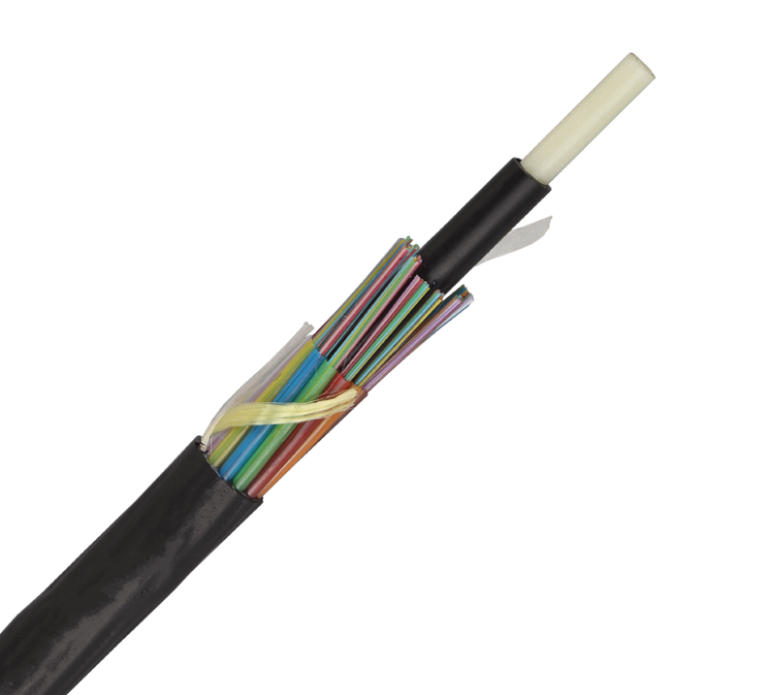
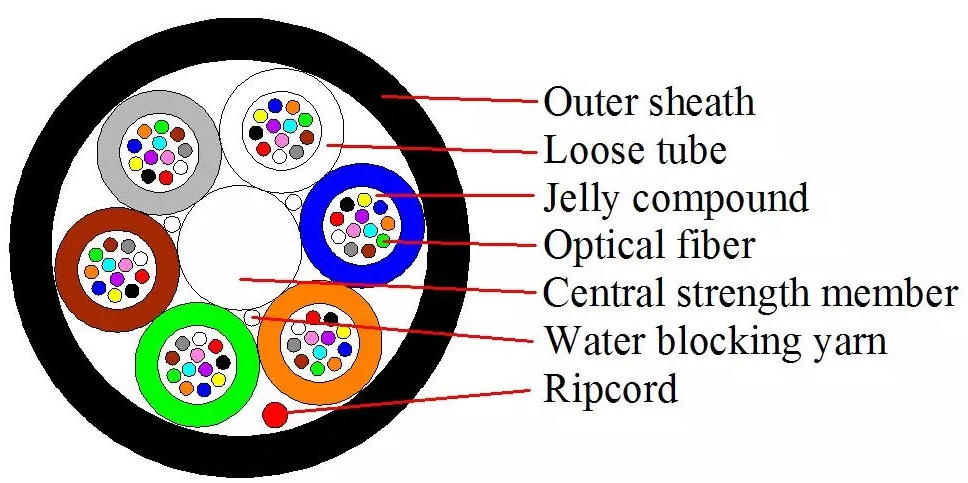
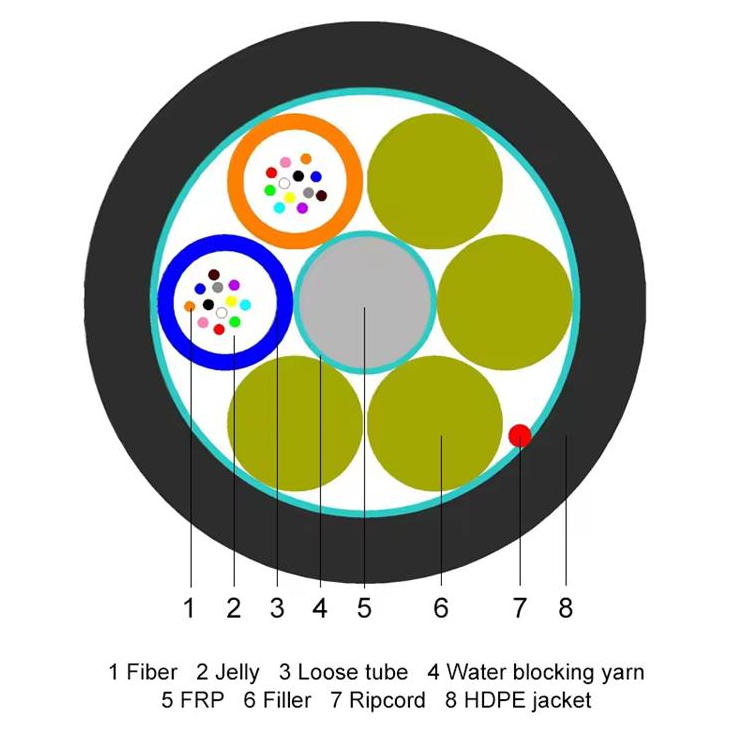
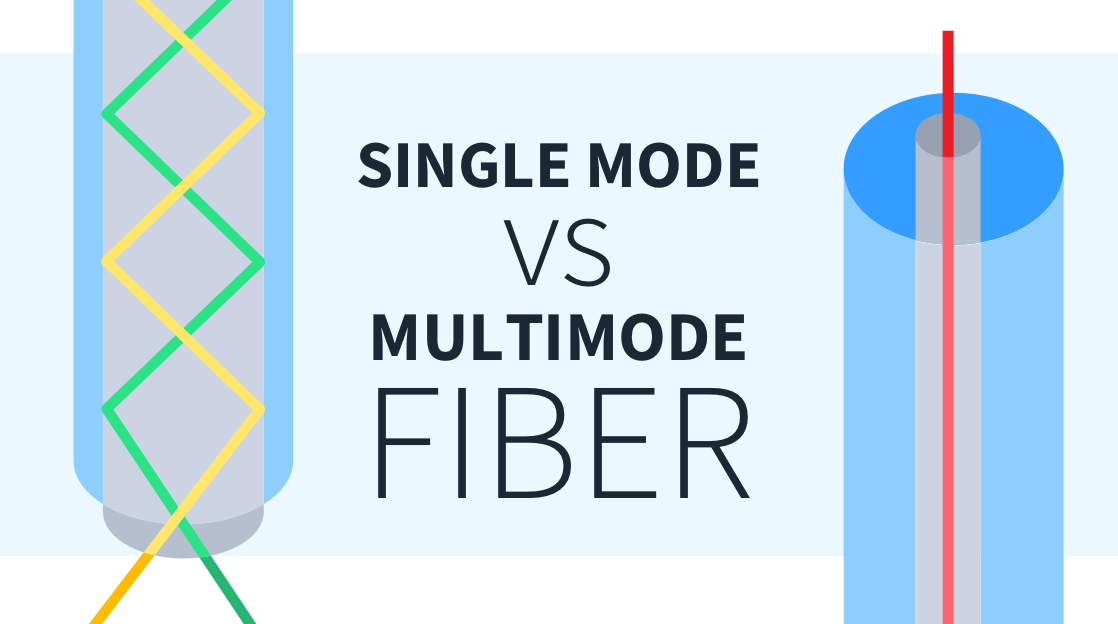
Air Blown Microcables: Specially designed lightweight, slim-profile cables (typically 2–288 cores) with smooth, low-friction outer jackets. Constructed with a central strength member, loose-tube fiber bundles, water-blocking materials, and a durable PE/LSZH sheath, these microcables balance flexibility and mechanical resilience to withstand air-jetting forces. Common fiber types include G.652D (standard single-mode), G.657A1/A2 (bend-insensitive for FTTH), and OM3/OM4 (multi-mode for data centers).
Microducts & Duct Bundles: Flexible, high-quality HDPE or silicon-core microtubes (inner diameters 3–14mm) that serve as protective pathways for microcables. Available as single microducts or bundled multi-duct units (2–19 cells), they are installed underground, aerially, or intra-building during initial civil works. Microducts are reusable, allowing future fiber upgrades or replacements without re-excavation.
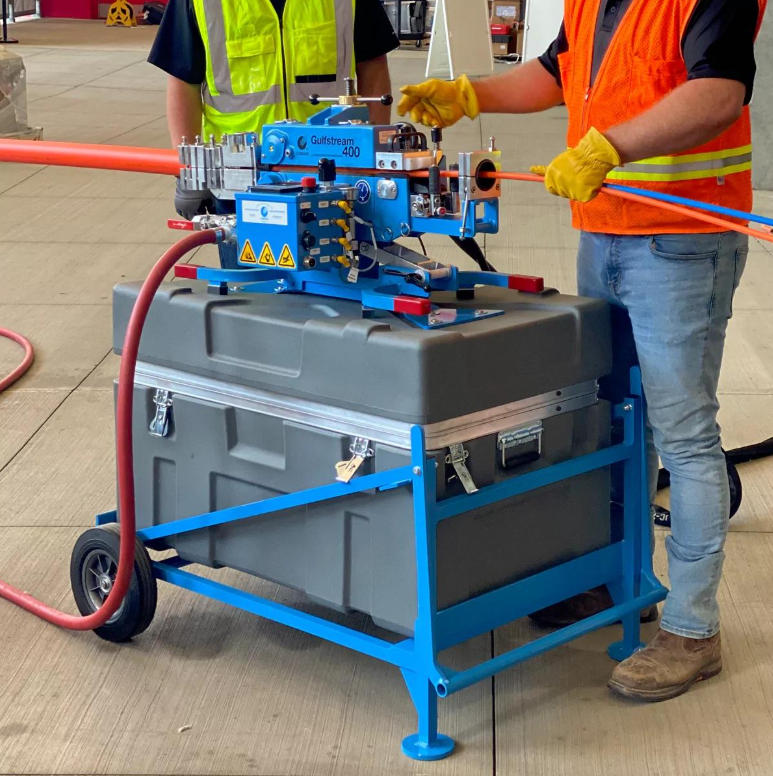
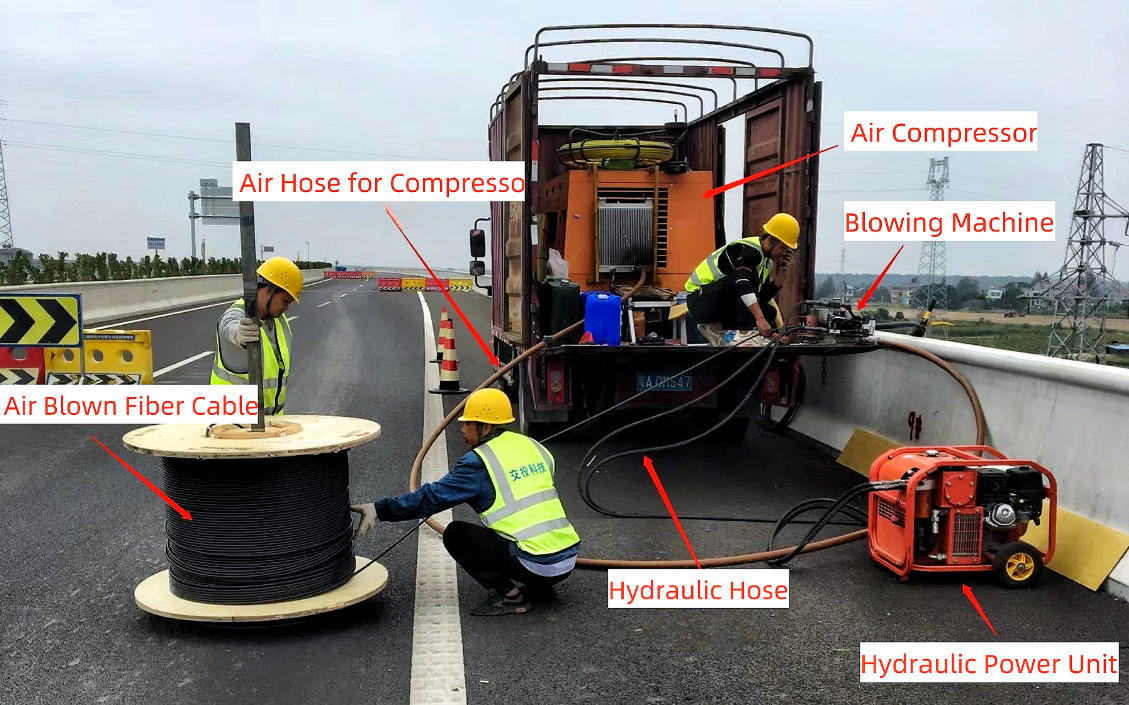
Air Blowing Equipment: Specialized pneumatic machines that generate controlled high-pressure compressed air (8–12 bar) and feed the microcable into the duct at a synchronized speed. Advanced units feature digital pressure regulation, cable speed monitoring, and distance tracking, enabling installation rates of 50–150 m per minute and single-run lengths up to 2,000–6,000 m.
Termination & Distribution Hardware: Tube Distribution Units (TDUs), fiber termination cabinets, and push-fit connectors that link microduct networks to active equipment (switches, OLTs, transceivers). These components enable modular fiber routing, easy splicing, and on-demand capacity expansion without disrupting existing services.
Unmatched Advantages of Air Blown Fiber Optic Cable Over Traditional Solutions
The shift from traditional pull-installed fiber to air blown fiber optic cable is driven by a host of operational, economic, and technical benefits that address critical pain points in network deployment. Below are the key advantages that position ABF as a game-changing technology:
1. Blazing-Fast Installation & Drastic Cost Reduction
Air blown fiber slashes deployment timelines by 70–80% compared to traditional methods. With installation speeds of 50–100 meters per minute and single runs up to 2 kilometers, projects that once took weeks can be completed in days. This efficiency drastically cuts labor costs—only 2–3 technicians are needed per blowing unit—and minimizes civil works expenses (trenching, restoration) by up to 40%. For large-scale FTTH or urban network projects, these savings translate to millions in reduced capital expenditure (CAPEX).
2. Zero Cable Damage & Enhanced Network Reliability
Unlike pulling, which subjects cables to uneven tension and friction, air blowing applies uniform, gentle force, eliminating stress-related defects like fiber microbends, cracks, or breakage. This preserves the optical performance of the fiber (low attenuation, high signal integrity) and extends the cable’s service life to 25+ years. Fewer splice points (thanks to longer continuous runs) further reduce signal loss and potential failure points, boosting overall network reliability.
3. Unrivaled Flexibility & Future-Proof Scalability
One of ABF’s most transformative benefits is its modular, on-demand scalability. Microduct networks are deployed with excess capacity (extra empty cells) during initial installation. As bandwidth demand grows—for 5G, 8K video, IoT, or cloud services—new microcables can be blown into unused ducts, or old cables can be “blown out” and replaced with higher-core-count alternatives, all without digging or infrastructure overhauls. This incremental deployment model lets network operators align investments with actual demand, avoiding overbuilding and reducing stranded assets.
4. Simplified Maintenance & Rapid Repairs
Air blown fiber systems streamline network maintenance and fault resolution. Damaged microcables can be quickly removed and replaced in hours, not days, by blowing out the faulty cable and inserting a new one. For intra-building or campus networks, this means minimal downtime for businesses or residents. Additionally, microducts protect cables from environmental stressors (moisture, corrosion, rodents), reducing long-term maintenance costs.
5. Versatility Across Diverse Environments
Air blown fiber optic cable thrives in challenging terrains and deployment scenarios where traditional methods struggle. It is ideal for urban dense areas (minimizing street disruption), mountainous regions, wetlands, highway/rail corridors, and high-rise buildings. It supports both outdoor (buried, aerial) and indoor (riser, plenum) deployments, with flame-retardant microducts and cables available for indoor safety compliance.
Key Applications of Air Blown Fiber Optic Cable in Modern Networks
The adaptability and efficiency of air blown fiber have made it integral to critical global connectivity projects. Its applications span the entire network ecosystem, from long-haul backbones to residential end-user connections:
1. Fiber-to-the-Home (FTTH) & Broadband Access Networks
FTTH is the largest and fastest-growing market for air blown fiber. Network operators use microduct-air blown microcable systems to deploy fiber to residential neighborhoods, multi-dwelling units (MDUs), and commercial buildings at scale. The technology’s speed and low cost enable rapid “fiberization” of cities, supporting gigabit broadband rollouts and bridging the digital divide. In Europe, North America, and Asia-Pacific, over 60% of new FTTH projects now adopt ABF technology.
2. 5G Mobile Network Deployment
5G’s dense small-cell architecture and high bandwidth requirements demand efficient, flexible fiber backhaul and fronthaul solutions. Air blown fiber allows quick deployment of fiber links between macro base stations, small cells, and edge data centers. Its scalability supports future 5G-Advanced and 6G upgrades, while slim microcables fit easily in urban utility corridors and rooftop installations—critical for dense urban 5G networks.
3. Data Center Interconnect (DCI) & Intra-Campus Networking
Data centers and enterprise campuses require high-fiber-count, low-latency connections between server rooms, storage clusters, and campus buildings. Air blown fiber enables rapid deployment of multi-core microcables (48–288 cores) through pre-installed microducts, supporting cloud computing, AI workloads, and real-time data transmission. The ability to add fibers on demand aligns with data centers’ dynamic growth needs.
4. Long-Haul & Metropolitan Area Networks (MANs)
For regional and national backbone networks, air blown fiber reduces deployment time across vast distances. Long single runs (up to 6km) minimize splicing, lower signal loss, and reduce maintenance points. It is widely used for highway, railway, and utility corridor fiber builds, where speed and minimal environmental disruption are priorities.
5. Industrial & Specialized Networks
Air blown fiber serves industrial IoT (IIoT), smart cities, transportation (airports, seaports), and utility (smart grid) networks. Its resistance to electromagnetic interference (EMI) and durability in harsh industrial environments (dust, vibration, temperature extremes) makes it ideal for industrial automation and smart infrastructure projects.
Global Market Trends & Growth Drivers for Air Blown Fiber Optic Cable
The air blown fiber optic cable market is experiencing robust growth, fueled by global digital transformation and infrastructure investment. According to industry reports, the global ABF market was valued at US$680 million in 2024 and is projected to reach US$1.2 billion by 2032, growing at a CAGR of 7.1%. Key growth drivers include:
- FTTH Expansion: Governments worldwide (U.S. Infrastructure Investment Act, EU Digital Decade, China’s “Broadband China”) are funding national broadband projects, with ABF as the preferred deployment technology.
- 5G & 6G Rollouts: The surge in 5G small cells and upcoming 6G research demands massive fiber deployment, favoring ABF’s speed and scalability.
- Rising Labor Costs: As manual labor expenses climb, the labor-saving benefits of air blown fiber become increasingly economically compelling.
- Sustainability Goals: ABF reduces excavation and material waste, aligning with green infrastructure initiatives to minimize environmental impact.
Regionally, Asia-Pacific (led by China, Japan, and South Korea) dominates the market, accounting for over 45% of global demand, driven by aggressive FTTH and 5G builds. North America and Europe follow, fueled by government broadband subsidies and enterprise digitalization. Key manufacturers include Prysmian, Corning, OFS, Sumitomo Electric, and leading Chinese suppliers like Yangtze Optical Fiber and Cable (YOFC) and Shenyang OUFU.
Considerations for Deploying Air Blown Fiber Optic Cable
While air blown fiber offers transformative benefits, successful deployment requires careful planning:
- Duct Quality: Use high-grade, smooth-inner-wall microducts to avoid friction and cable jamming.
- Network Design: Plan duct routes with minimal bends (radius ≥ 10x duct diameter) to ensure smooth air flow.
- Equipment Calibration: Use certified blowing machines with proper pressure and speed settings for specific cable/duct combinations.
- Future Capacity: Deploy additional empty microducts during initial installation to accommodate future growth.
Conclusion: Air Blown Fiber Optic Cable – The Cornerstone of Next-Gen Connectivity
Air blown fiber optic cable represents more than an installation innovation—it is a foundational shift in how global communication networks are built and evolved. By combining unprecedented speed, cost efficiency, flexibility, and reliability, ABF solves the core challenges of traditional fiber deployment, empowering network operators to meet today’s soaring bandwidth demands while preparing for tomorrow’s technological advancements. From connecting homes with gigabit internet to powering 5G and cloud data ecosystems, air blown fiber is not just a product but a strategic enabler of the digital economy.
For businesses, telecom providers, and infrastructure planners, investing in air blown fiber technology is no longer an option but a necessity to stay competitive in a hyper-connected world. As the demand for faster, more reliable, and scalable networks continues to rise, air blown fiber optic cable will remain at the forefront, driving the next era of global connectivity and digital progress.