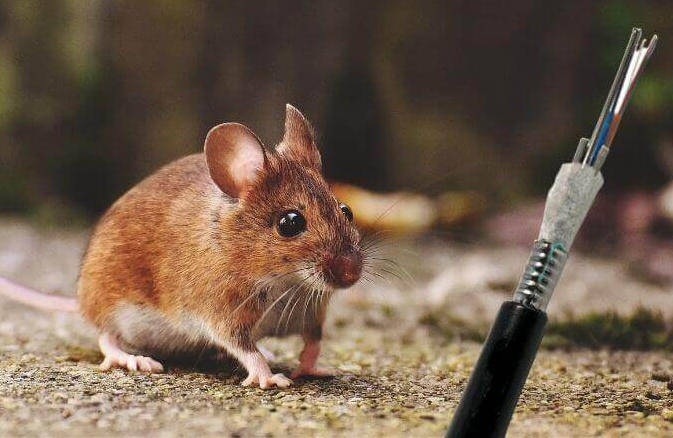
In the world of fiber optic infrastructure, much attention is given to speed, bandwidth, and latency—but one silent threat causes millions in annual damage worldwide: rodents. From rural farmlands to dense urban conduits, rats, squirrels, and gophers chew through standard fiber cables, causing service outages, data loss, and costly emergency repairs.
Anti-rodent fiber optic cables are engineered specifically to withstand these attacks. This guide explores their design principles, materials, applications, market trends, and selection strategies.
What Is an Anti-Rodent Fiber Optic Cable?
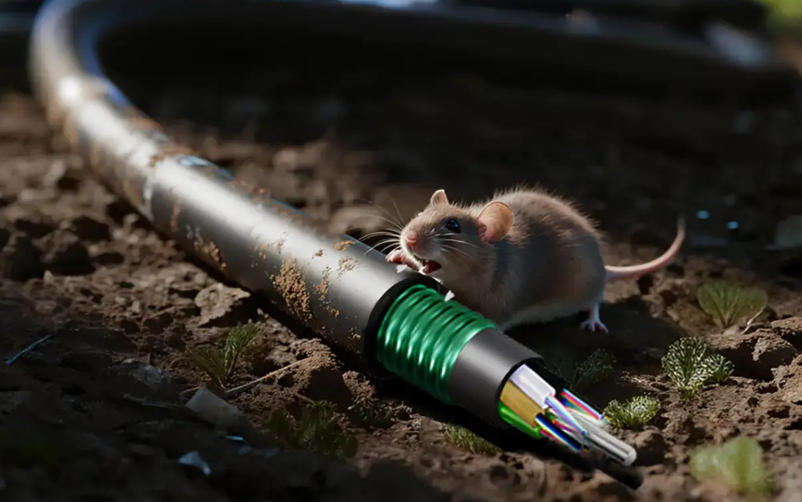
An anti-rodent fiber optic cable is a specialized type of optical cable designed to resist gnawing by rodents. Unlike conventional cables, it incorporates reinforced sheathing, metal or composite armoring, or chemical deterrents to prevent animals from penetrating the outer jacket and damaging the fragile glass fibers inside.
These cables are essential in environments where traditional fiber optics fail prematurely due to wildlife interference.
Why Rodent Damage Is a Serious Network Threat
1. Relentless Gnawing Behavior
Rodents’ incisors grow up to 5 inches (13 cm) per year. To keep them functional, rodents must constantly chew on hard surfaces. Unfortunately, the smooth, slightly pliable plastic jackets of fiber cables make ideal “chew toys.”
2. High Failure Rates in Vulnerable Areas
In underground ducts, rural broadband deployments, and forested regions, standard fiber cables can suffer damage within months. Repair costs often exceed the original cable cost many times over.
3. Expensive Service Interruptions
A single gnawed-through cable can disrupt internet, telecom, and data services for thousands of users, resulting in contractual penalties and reputational harm for service providers.
How Anti-Rodent Fiber Optic Cables Work
Anti-rodent protection relies on three main approaches: physical barriers, chemical deterrents, and structural design.
Physical Protection
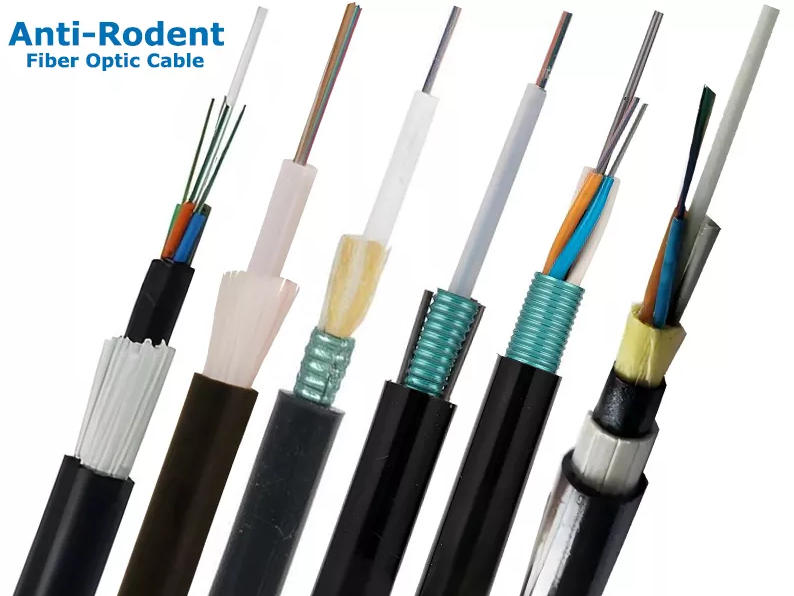
- Steel Tape Armor (GYTA53): Galvanized steel tape wrapped longitudinally or helically around the cable core prevents chewing and crushing.
- Steel Wire Armor: Heavy-duty wires provide maximum resistance against both biting and tensile stress.
- Glass Yarn / Fiberglass Reinforcement: Non-metal layers with rough textures discourage chewing without adding magnetic properties.
- FRP (Fiberglass Reinforced Plastic) Armor: Fully dielectric, ideal for lightning-prone areas.
Chemical Deterrents
Some jackets integrate capsaicin (derived from chili peppers), bitter agents, or strong odors that rodents instinctively avoid. These additives are environmentally safe but may lose potency over time.
Structural Design Enhancements
- Double Jacket Construction: Extra thickness increases chewing difficulty.
- Corrugated Armor Layers: Disperse bite pressure across a wider surface.
- Grooved Outer Sheath: Prevents clean biting edges.
Common Anti-Rodent Cable Types & Structures
| Model | Key Features | Best Applications |
|---|---|---|
| GYTA53 | Aluminum tape + steel tape armor, PE jacket | Direct burial, rodent-heavy zones |
| GYFTA53 | FRP central strength member + aluminum/steel armor | Lightning-prone areas |
| GYFTY73 | FRP armor, fully dielectric | Railways, power lines |
| GYFHTY63 | Glass yarn + PE sheath | Forest, squirrel-rich regions |
| ADSS Anti-Rodent | Aramid reinforcement + special coating | Aerial spans, mountainous terrain |
Key Advantages of Anti-Rodent Fiber Optic Cables
- Proven Durability: Tested under IEC 60794-1-21 standards; withstands repeated simulated gnawing without fiber breakage.
- Long Service Life: Rated for 25+ years in temperatures from -40°C to +70°C.
- Multi-Hazard Resistance: Combines waterproofing, UV resistance, crush protection, and rodent deterrence.
- Lower Total Cost of Ownership: Fewer repairs mean reduced operational expenses over time.
Major Application Scenarios
- Underground Telecom Networks: Subways, highways, and city conduits.
- Rural Broadband Projects: Farmlands and open fields with high rodent activity.
- Forest & Mountain Communication Lines: Squirrel-prone aerial routes.
- Railway & Power Utility Networks: Lightning-safe, non-metallic options available.
- Data Center Interconnects: Extra protection for critical links.
Market Trends & Innovations
- Smart Anti-Rodent Cables: Integrated vibration sensors detect gnawing attempts and alert operators instantly.
- Eco-Friendly Materials: Bio-based polyethylene jackets reduce environmental impact.
- High Fiber Count Designs: Up to 576 fibers in a single anti-rodent cable for 5G backhaul.
- Global Demand Growth: Asia-Pacific leads adoption, driven by massive rural broadband rollouts.
Leading Global Manufacturers
OUFU – Specialists in bio-deterrent and FRP-armored cables.
How to Choose the Right Anti-Rodent Fiber Optic Cable
- Assess Risk Levels: Identify rodent species common in your deployment area.
- Match Armor Type to Environment: Steel for extreme protection; FRP for electrical safety.
- Verify Certifications: Look for compliance with IEC, Telcordia GR-20, and regional standards.
- Plan Installation Method: Direct burial requires heavier armor than conduit placement.
- Consider Long-Term Costs: Higher upfront pricing offsets frequent repair bills.
Installation & Maintenance Best Practices
- Route cables away from garbage dumps, sewers, and known rodent nests.
- Use rigid conduit at transition points and splice enclosures.
- Maintain minimum bend radius (≥25× cable diameter).
- Schedule quarterly inspections using fiber monitoring systems.
- Avoid puncturing armor during clamping or lashing.
Conclusion
While often overlooked, anti-rodent fiber optic cables are mission-critical for reliable, long-term network performance in challenging environments. As global connectivity expands into rural, forested, and underground spaces, investing in rodent-resistant infrastructure is no longer optional—it’s essential.
By combining advanced materials, smart monitoring, and proper installation practices, operators can eliminate one of the most persistent threats to modern communications. Whether you’re deploying a rural broadband network, upgrading railway communications, or securing critical data center links, anti-rodent fiber optic cables deliver the peace of mind that comes with true infrastructure resilience.
Frequently Asked Questions (FAQ)
1. What is an anti‑rodent fiber optic cable?
An anti‑rodent fiber optic cable is a specially engineered optical cable designed to resist chewing and gnawing by rodents such as rats, mice, and squirrels. It uses reinforced armor, glass yarn, steel tape, or chemical deterrents to protect the internal optical fibers from damage.
2. Why do rodents chew fiber optic cables?
Rodents chew constantly to control the growth of their incisors, which never stop growing. The soft yet durable plastic jacket of fiber optic cables feels similar to wood or bone, making it an attractive target for gnawing.
3. Where should I use anti‑rodent fiber optic cables?
You should deploy anti‑rodent cables in:
- Underground direct‑burial networks
- Rural broadband and agricultural areas
- Forests and mountainous regions
- Railway and power utility corridors
- Sewage systems and drainage pipelines
4. What types of anti‑rodent protection are available?
The main protection methods include:
- Steel tape armor – heavy mechanical protection
- Steel wire armor – high tensile and chew resistance
- Glass yarn / fiberglass – rough texture deters biting
- FRP (fiberglass-reinforced plastic) – non‑metallic and lightning‑safe
- Chemical deterrents – rodent‑repelling additives in the jacket
5. Are anti‑rodent fiber optic cables more expensive?
Yes, they typically cost 20–50% more than standard fiber cables. However, they significantly reduce long‑term operating expenses by preventing outages, emergency repairs, and service downtime.
6. Can anti‑rodent cables be used for aerial installations?
Absolutely. ADSS anti‑rodent cables are specifically designed for self‑supporting aerial deployment in forests, mountain regions, and squirrel‑prone environments.
7. Do anti‑rodent cables work against squirrels?
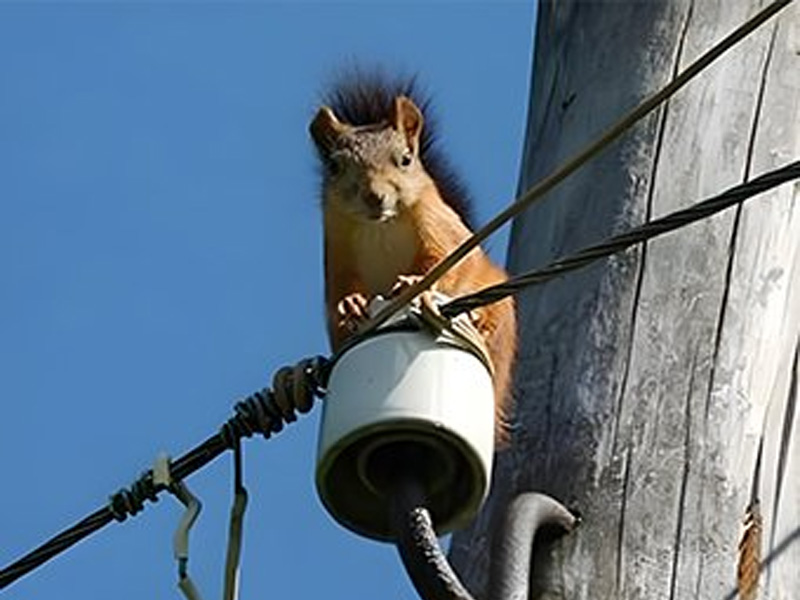
Yes. Squirrels are among the most destructive rodents for overhead lines. Armored or glass‑yarn‑reinforced cables effectively prevent squirrel chewing and nesting near splice enclosures.
8. What international standards apply to anti‑rodent fiber optic cables?
Common certifications include:
- IEC 60794‑1‑21 – Environmental and mechanical test methods
- Telcordia GR‑20 – Generic requirements for optical fiber cables
- YD/T standards – Chinese industry specifications
- ISO 9001 / ISO 14001 – Quality and environmental management
9. How long do anti‑rodent fiber optic cables last?
Most are rated for 25 years or more, even in harsh outdoor conditions such as extreme heat, freezing temperatures, and high humidity.
10. Can I install anti‑rodent cables in conduits?
Yes. In fact, conduit installation combined with armored rodent‑proof cables offers double protection, making it nearly impossible for rodents to cause damage.