In the era of digital transformation, the demand for high-speed, reliable, and integrated network infrastructure has never been higher. As industries ranging from telecommunications to smart cities and renewable energy push for more efficient connectivity solutions, Hybrid Fiber Optic Cable (HFOC) has emerged as a versatile and game-changing technology. Unlike traditional fiber optic cables that only transmit data or copper cables that focus on power delivery, HFOC combines the best of both worlds—integrating optical fibers and electrical conductors in a single sheath to transmit data and power simultaneously. This article explores every critical dimension of Hybrid Fiber Optic Cable, from its core definition and structural design to its key advantages, real-world applications, market dynamics, and practical considerations, providing a holistic resource for industry professionals, decision-makers, and anyone seeking to understand this evolving technology.
1. What is a Hybrid Fiber Optic Cable (HFOC)?
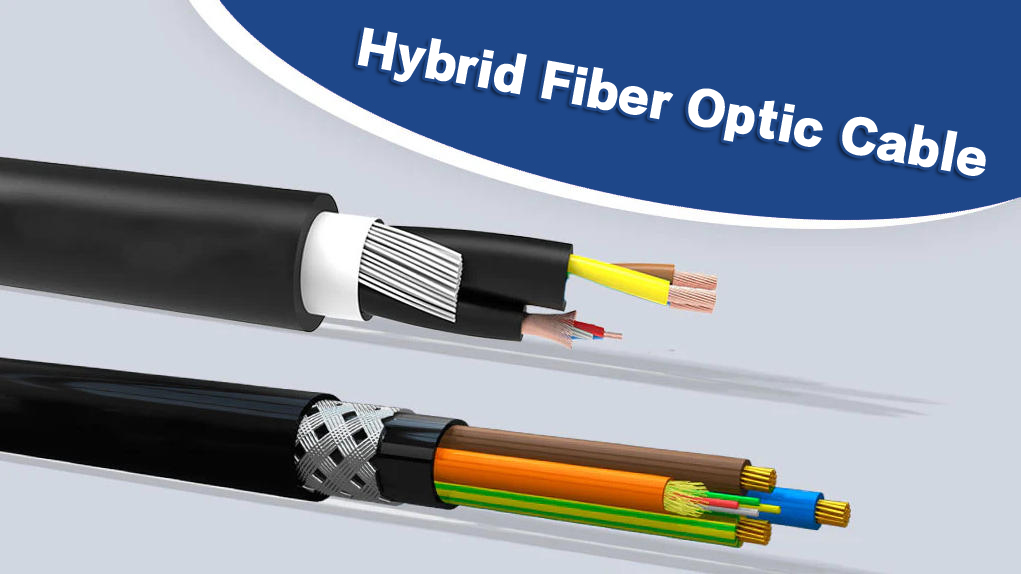
A Hybrid Fiber Optic Cable is a specialized composite cable that integrates one or more optical fibers (for high-speed data transmission) and one or more electrical conductors (typically copper, for power supply or control signals) within a single protective jacket. This innovative design eliminates the need for separate cables for data and power, addressing a long-standing challenge in distributed network architectures—especially in remote or hard-to-reach locations where running multiple cables is impractical or cost-prohibitive.
Often referred to as “power over fiber” or “composite fiber cables” depending on their construction and use case, HFOC is not a mere upgrade of traditional fiber cables but an engineering solution tailored to the demands of modern distributed networks. Unlike Active Optical Cables (AOC) or Direct Attach Copper (DAC) cables—often confused with HFOC—HFOC is a physical cable product that delivers both power and data, rather than a passive or active connection module. Its core mission is to simplify connectivity by merging two essential functions into a single installation path, reducing complexity and improving efficiency across various industries.
2. Core Structure and Design Features of Hybrid Fiber Optic Cable
The design of Hybrid Fiber Optic Cable must balance three key elements: optical performance, electrical transmission capacity, and mechanical protection. Each component is engineered to work in harmony, ensuring reliable performance even in harsh or demanding environments. Below is a detailed breakdown of its core structure:
2.1 Optical Fiber Section
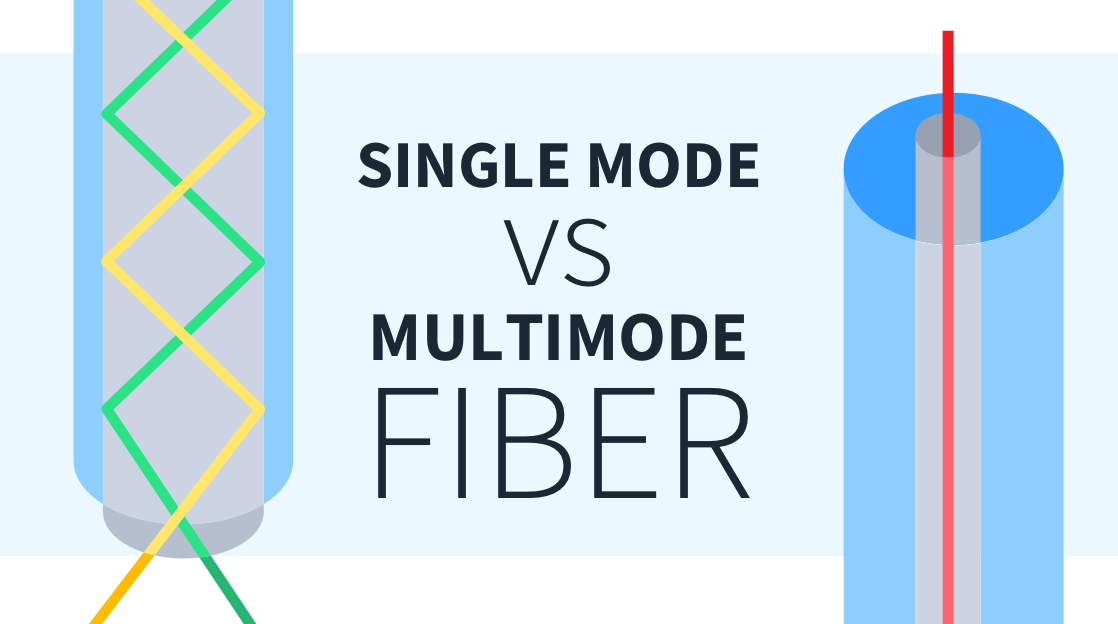
The optical fiber component is responsible for high-speed, low-loss data transmission. Depending on bandwidth and distance requirements, HFOC typically uses either single-mode (OS2 or G.657.A2) or multimode (OM3/OM4) fibers. Single-mode fibers are preferred for long-distance applications (such as 5G towers or offshore projects) due to their ability to transmit signals over kilometers with minimal attenuation, while multimode fibers are suitable for shorter distances, such as data centers or building interiors. The optical fibers are individually coated with plastic layers to protect against physical damage and environmental factors, with insertion loss at connection points typically ≤ 0.3 dB and return loss ≥ 55 dB for APC interfaces.
2.2 Electrical Conductor Section
The electrical conductors—usually copper—are designed to transmit DC power (common voltages include 48V, 280V, and 380V) or control signals to remote devices. The cross-sectional area of the copper conductors varies based on power load, transmission distance, and acceptable voltage drop, ranging from 0.2 mm² for low-power IoT devices to 2.5 mm² for high-power 5G equipment. These conductors are insulated to prevent interference with the optical fibers and ensure safe power delivery, even in high-voltage applications.
2.3 Protective Layers
To withstand diverse environments, HFOC is equipped with multiple protective layers. The outer jacket is often made of LSZH (Low Smoke Zero Halogen), PE (Polyethylene), or UV-resistant materials, depending on whether the cable is used indoors or outdoors. For outdoor and industrial applications, additional layers such as water-blocking tapes, armor (steel or corrugated), and UV-resistant coatings are added to protect against moisture, UV radiation, mechanical stress, and corrosion. These layers ensure HFOC can operate in extreme temperatures ranging from -40°C to +85°C, making it suitable for harsh environments like deserts, offshore platforms, and industrial facilities.
3. Classification of Hybrid Fiber Optic Cables
HFOC is classified based on several criteria, including conductor type, shielding, and application, to meet the specific needs of different industries. The most common classifications are:
3.1 By Conductor Type
• Single-Conductor HFOC: Combines a single type of electrical conductor (e.g., copper) with optical fibers in a single jacket. Ideal for standard telecommunications applications requiring simple power supply and data transmission, such as residential FTTH (Fiber to the Home) or small-scale IoT deployments.
• Multi-Conductor HFOC: Integrates multiple electrical conductors with optical fibers, offering higher power transmission capacity and additional signal lines. Suitable for complex installations like data centers, industrial automation systems, and advanced 5G networks, where multiple devices require power and data connectivity simultaneously.
3.2 By Shielding
• Shielded HFOC: Features shielding materials (e.g., aluminum foil or braided copper) around the electrical conductors to protect against Electromagnetic Interference (EMI) and Radio Frequency Interference (RFI). Critical for industrial environments, power plants, and military applications, where interference can disrupt signal and power transmission.
• Unshielded HFOC: Lacks additional shielding, making it more cost-effective for indoor applications with minimal interference, such as office buildings, residential complexes, and small data centers.
3.3 By Application
• Indoor HFOC: Designed for use in buildings, data centers, and office spaces. Features a flexible jacket, flame-retardant materials (LSZH), and smaller diameter for easy routing through walls and conduits.
• Outdoor HFOC: Built for harsh outdoor conditions, with armored jackets, water-blocking layers, and UV resistance. Used in 5G towers, FTTA (Fiber to the Antenna) deployments, offshore projects, and rural telecommunications networks.
4. Key Advantages of Hybrid Fiber Optic Cable
HFOC’s unique design offers a range of advantages over traditional separate fiber and copper cables, making it a preferred choice for modern network infrastructure. These advantages include:
4.1 Simplified Installation and Reduced Complexity
By merging data and power transmission into a single cable, HFOC eliminates the need for separate installation of fiber and copper cables. This reduces the number of conduits, terminations, and routing paths, speeding up installation time and reducing clutter. For remote locations—such as 5G towers 200 meters to 1 kilometer away from power cabinets—this simplifies deployment significantly, as technicians only need to run one cable instead of two.
4.2 Cost Efficiency
While the initial cost of HFOC may be higher than individual fiber or copper cables, it delivers long-term cost savings. Reduced material costs (one cable instead of two), lower labor costs (fewer installation hours), and simplified maintenance (single cable to inspect and troubleshoot) make HFOC a cost-effective solution for large-scale deployments. This is particularly true for telecommunications, smart cities, and industrial networks, where infrastructure costs are a major consideration.
4.3 Extended Reach for Remote Devices
HFOC excels in powering remote devices that require both data and power but are located far from power sources. Unlike traditional copper cables, which suffer from voltage drop over long distances, HFOC’s optical fibers transmit data over kilometers with minimal loss, while the copper conductors can deliver power up to 2000 meters (depending on gauge and voltage). This makes it ideal for applications like offshore platforms, renewable energy sites (solar and wind farms), and rural telecommunications towers.
4.4 High Reliability and Durability
The integrated design and robust protective layers of HFOC ensure high reliability even in harsh environments. The optical fibers are protected from physical damage and EMI, while the copper conductors are insulated to prevent short circuits. Additionally, outdoor HFOC is resistant to moisture, UV radiation, saltwater corrosion, and extreme temperatures, making it suitable for offshore, industrial, and rural applications where traditional cables would fail prematurely.
4.5 Scalability
HFOC is highly scalable, allowing for future upgrades to network capacity. Additional optical fibers or electrical conductors can be added to the cable design without requiring a complete overhaul of the existing infrastructure. This flexibility makes it suitable for evolving technologies like 5G, IoT, and smart cities, where network demands grow rapidly over time.
5. Real-World Applications of Hybrid Fiber Optic Cable
HFOC’s versatility has made it a cornerstone of modern infrastructure across multiple industries. Below are its most common applications, highlighting its impact on key sectors:
5.1 Telecommunications and 5G Deployment
The rollout of 5G networks has significantly increased demand for HFOC, particularly in FTTA (Fiber to the Antenna) deployments. 5G towers require both high-speed data transmission (to connect to core networks) and power (to operate antennas and signal amplifiers), and HFOC provides a single-cable solution for both. This simplifies tower installation, reduces maintenance costs, and supports the low-latency, high-bandwidth requirements of 5G technology. Additionally, HFOC is used in rural telecommunications networks to connect remote communities to high-speed internet, where running separate power and data cables is impractical.
5.2 Smart Cities and IoT
Smart city initiatives rely on a dense network of IoT devices—such as surveillance cameras, traffic sensors, and environmental monitors—that require both data and power. HFOC enables seamless connectivity for these devices, reducing the complexity of urban infrastructure. For example, in smart traffic management systems, HFOC powers traffic lights and sensors while transmitting real-time data to a central control center. In smart buildings, it connects HVAC systems, security cameras, and access control systems, creating a unified and efficient network.
5.3 Industrial Automation and Manufacturing
Industrial environments require reliable connectivity for automated machinery, sensors, and control systems. HFOC’s resistance to EMI, moisture, and extreme temperatures makes it ideal for factories, power plants, and oil refineries. It transmits high-speed data between industrial controllers and equipment while powering sensors and actuators, reducing downtime and improving operational efficiency. For example, in a manufacturing plant, HFOC can connect robotic arms to a central control system while powering the robots, ensuring seamless communication and operation.
5.4 Offshore and Renewable Energy
Offshore oil and gas platforms, wind farms, and solar energy plants require robust cables that can withstand harsh marine or outdoor conditions. HFOC is engineered to resist saltwater corrosion, moisture, and mechanical stress, making it suitable for these applications. It transmits data from offshore sensors to onshore control centers while powering equipment like wind turbine controllers and offshore lighting. The global growth of offshore power projects is expected to drive significant demand for HFOC in the coming years.
5.5 Data Centers
Data centers require high-density, high-speed connectivity to support servers, storage systems, and network equipment. HFOC simplifies data center布线 by merging power and data transmission, reducing the number of cables and improving airflow (critical for cooling). It is used to connect server racks, storage arrays, and network switches, supporting the high-bandwidth requirements of cloud computing and big data applications.
6. Global Market Trends for Hybrid Fiber Optic Cable
The global Hybrid Fiber Optic Cable market is experiencing steady growth, driven by increasing demand for 5G deployment, smart city initiatives, and industrial automation. According to market research, the global hybrid cable market (including HFOC) is projected to grow from USD 8.75 billion in 2026 to USD 13.24 billion by 2034, at a CAGR of 5.32% during the forecast period. Key trends shaping the market include:
6.1 Asia Pacific Dominance
Asia Pacific is the largest market for HFOC, accounting for 43.77% of the global market share in 2025. This is due to rapid 5G rollout in countries like China, India, and South Korea, as well as massive investments in smart city infrastructure and telecommunications networks. China, in particular, is a major producer and consumer of HFOC, with its fiber optic exports accounting for 42% of the global market.
6.2 Growing Demand for Offshore Applications
The increasing number of offshore power projects—driven by global efforts to transition to renewable energy—is creating lucrative opportunities for HFOC. Offshore wind farms and oil platforms require robust cables that can deliver power and data in extreme marine environments, and HFOC is well-suited for this role. Governments around the world are investing in offshore projects to meet climate targets, further boosting market growth.
6.3 Technological Advancements
Advancements in fiber optic technology (such as bend-insensitive fibers) and copper conductor design are improving the performance and reliability of HFOC. Additionally, the development of LSZH jackets and advanced shielding materials is expanding its applications in harsh environments. These innovations are expected to drive adoption across industries and support market growth.
6.4 Impact of Digital Transformation
The global shift toward digital transformation—including remote work, cloud computing, and IoT—is increasing demand for high-speed, reliable connectivity. HFOC’s ability to deliver both data and power makes it a critical enabler of this transformation, as it simplifies infrastructure and supports the growing number of connected devices. This trend is expected to continue driving market growth in the coming years.
7. Practical Considerations: Choosing and Maintaining Hybrid Fiber Optic Cable
While HFOC offers numerous advantages, choosing the right cable and maintaining it properly is critical to ensuring optimal performance. Below are key considerations for industry professionals:
7.1 Choosing the Right HFOC
• Application Requirements: Consider the environment (indoor/outdoor), transmission distance, power load, and bandwidth needs. For long-distance outdoor applications, choose single-mode fiber and armored jackets. For indoor data centers, opt for multimode fiber and flexible, flame-retardant jackets.
• Conductor Gauge: Select the copper conductor gauge based on power load and transmission distance to avoid voltage drop. For low-power IoT devices, a smaller gauge (0.2 mm²) is sufficient, while high-power 5G equipment may require a larger gauge (2.5 mm²).
• Shielding: Choose shielded HFOC for industrial environments or areas with high EMI/RFI, and unshielded HFOC for indoor applications with minimal interference.
7.2 Installation Best Practices
• Avoid Over-Bending: HFOC has stricter bending radius requirements than traditional cables due to the optical fiber component. Over-bending can damage the fibers and reduce signal quality. Follow the manufacturer’s guidelines for bending radius.
• Proper Routing: Ensure the cable is routed away from high-voltage equipment and sources of EMI/RFI to prevent interference. For outdoor installations, use armored cables and protect against moisture and UV radiation.
• Professional Installation: HFOC installation requires specialized knowledge of both fiber optics and electrical systems. Hire trained technicians to ensure proper termination and testing.
7.3 Maintenance and Troubleshooting
• Regular Inspections: Conduct periodic inspections to check for physical damage, moisture ingress, or signal degradation. Use specialized tools (e.g., optical power meters, cable testers) to monitor performance.
• Troubleshooting: When issues arise, isolate the problem to either the optical fiber or electrical conductor. Use fiber optic testers to check for signal loss and multimeters to test power transmission.
• Professional Maintenance: Due to the complex design of HFOC, maintenance should be performed by technicians with expertise in both fiber optics and electrical systems. This ensures that issues are resolved quickly and effectively, minimizing downtime.
8. Common Misconceptions About Hybrid Fiber Optic Cable
Despite its growing popularity, there are several common misconceptions about HFOC that can lead to poor decision-making. Below are the most prevalent myths and their corrections:
8.1 Myth: HFOC is a “Premium” Unnecessary Upgrade
Correction: HFOC is not a luxury but an engineering solution for distributed networks. In applications where remote devices require both power and data, HFOC simplifies infrastructure, reduces costs, and improves reliability. It is particularly valuable in 5G, FTTA, and industrial deployments where separate cables are impractical.
8.2 Myth: HFOC is the Same as AOC or DAC Cables
Correction: AOC (Active Optical Cables) and DAC (Direct Attach Copper) cables are designed for short-distance, high-speed connections (e.g., between servers in a data center) and do not transmit power. HFOC, by contrast, integrates fiber and copper to deliver both data and power, making it suitable for long-distance and remote applications.
8.3 Myth: HFOC is Too Expensive for Small-Scale Deployments
Correction: While HFOC has a higher initial cost than individual cables, it delivers long-term savings through reduced installation and maintenance costs. For small-scale deployments (e.g., small office buildings or rural IoT networks), the cost savings from simplified installation often offset the initial investment.
9. Conclusion
Hybrid Fiber Optic Cable is a transformative technology that is reshaping the future of network infrastructure. By integrating optical fibers and electrical conductors in a single cable, it addresses the key challenges of modern distributed networks—simplifying installation, reducing costs, and extending connectivity to remote locations. Its versatility makes it suitable for a wide range of applications, from 5G and smart cities to industrial automation and offshore energy, and its market is poised for steady growth in the coming years.
As digital transformation continues to accelerate, the demand for reliable, efficient, and integrated connectivity solutions will only grow. Hybrid Fiber Optic Cable, with its unique combination of data and power transmission capabilities, is well-positioned to meet this demand, becoming an essential component of the next generation of network infrastructure. Whether you are an industry professional, decision-maker, or technology enthusiast, understanding the key dimensions of HFOC is critical to leveraging its full potential and staying ahead in an increasingly connected world.
Frequently Asked Questions
1. What is a hybrid fiber optic cable?
A hybrid fiber optic cable integrates optical fibers (for high‑speed data) and copper conductors (for DC power/control signals) into a single jacket. It delivers both data and power over one run, eliminating separate cabling.
2. How does it differ from standard fiber or PoE?
- vs. Standard fiber: Adds copper for power; standard fiber carries only data.
- vs. PoE: PoE is limited to ≤100 m; hybrid cables work at 100 m to several km and support higher power.
- vs. AOC/DAC: AOC/DAC are short‑range data only; hybrid cables deliver power + data for remote devices.
3. What are the typical applications?
- 5G/FTTA: Remote radio units (RRUs)
- Surveillance: IP cameras over long distances
- Smart buildings: Remote APs, sensors, and IoT devices
- Industrial: Harsh‑environment cameras/control units
4. What are the key benefits?
- One‑cable installation: Reduces labor, materials, and complexity.
- Long‑distance power + data: Beyond PoE limits.
- Cost‑effective: Lower total infrastructure cost.
- Reliability: Fibers are immune to EMI/RFI; proper design avoids power‑signal interference.
5. What are common constructions?
- Fibers: Singlemode (OS2) or multimode (OM3/OM4).
- Copper: 2–4 conductors, 1.5–6 mm² (e.g., 2×1.5 mm², 2×2.5 mm²).
- Jacket: PE (outdoor), PVC (indoor), LSZH (low smoke zero halogen).
- Armoring: Steel tape or braided armor for rodent/mechanical protection (outdoor/industrial).
6. What voltage/power levels are supported?
Typically 12/24/48 VDC, up to several hundred watts (depends on copper gauge and length). AC is rare due to inductive interference concerns.
7. How to select the right cable?
- Power load (W) & distance: Calculate voltage drop; size copper accordingly.
- Fiber type: Singlemode for long distances (>500 m); multimode for short, high‑bandwidth runs.
- Environment: Outdoor (UV/PE/armor), indoor (PVC/LSZH), industrial (water‑blocking/armor).
- Connectors: Hybrid (optical + electrical) or separate fiber/power connectors.
8. What are the installation constraints?
- Min bending radius: 5× cable diameter (fiber core ≥15 mm).
- Pulling tension: Follow manufacturer specs (typically ≤200–500 N).
- Temperature: Operating −40°C to +70°C; derate power at high temps.
- No cold splicing: Fibers require fusion splicing; copper needs proper crimping.
9. Is maintenance more complex?
No—fewer cables simplify maintenance if designed with modular connectors and clear labeling. Fault isolation uses standard fiber testers (OTDR, power meter) and electrical multimeters.
10. What is the typical lifespan?
25+ years with proper installation and maintenance (environmental conditions and load cycling affect longevity).
11. Can hybrid cables replace PoE entirely?
No. For short distances (<100 m), PoE is simpler and cheaper. Hybrid cables excel when distance exceeds 100 m or higher power is needed.
12. What are common mistakes to avoid?
- Ignoring voltage drop: Undersized copper causes overheating/voltage instability.
- Using in backbone: Hybrid cables are for access layer, not long‑haul trunking.
- Poor labeling: Complicates troubleshooting.
- Over‑specifying: For short runs, separate fiber + local power may be cheaper.