In the world of high-stakes communication, whether on a military battlefield, at a live concert, or in the middle of a disaster recovery zone, standard cabling simply doesn’t cut it. This is where Tactical Fiber Optic Cable comes into play. If you are searching for a rugged, high-performance solution for temporary or semi-permanent deployments, understanding the nuances of this technology is crucial.
This comprehensive guide will walk you through everything you need to know about Tactical Fiber Optic Cable, from its core definition to technical specifications, industry applications, and how to choose the right one for your needs.
What is Tactical Fiber Optic Cable?
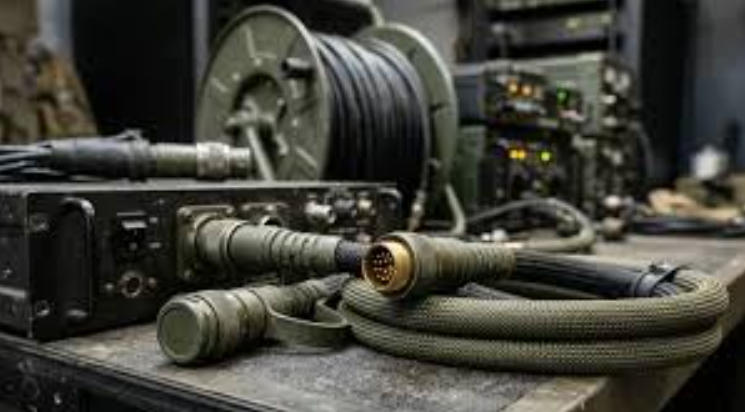
Tactical Fiber Optic Cable, often referred to as Tactical Fiber or Field-Deployable Fiber Cable, is a specialized type of fiber optic cable designed for rapid deployment in harsh environments. Unlike standard indoor/outdoor fiber cables, tactical variants are built to withstand extreme mechanical stress, repeated bending, crushing, and exposure to chemicals or severe weather.
The primary goal of a Tactical Fiber Optic Cable is to provide a secure, high-bandwidth communication link that can be deployed quickly and retrieved for reuse. It is the backbone of modern mobile networks where reliability is non-negotiable.
Key Characteristics:
- Ruggedized Construction: Typically features a tight-buffered design with a high-strength aramid yarn (like Kevlar) strength member.
- All-Dielectric: Most modern tactical cables are non-metallic, making them immune to electromagnetic interference (EMI) and safe to use near high-voltage equipment.
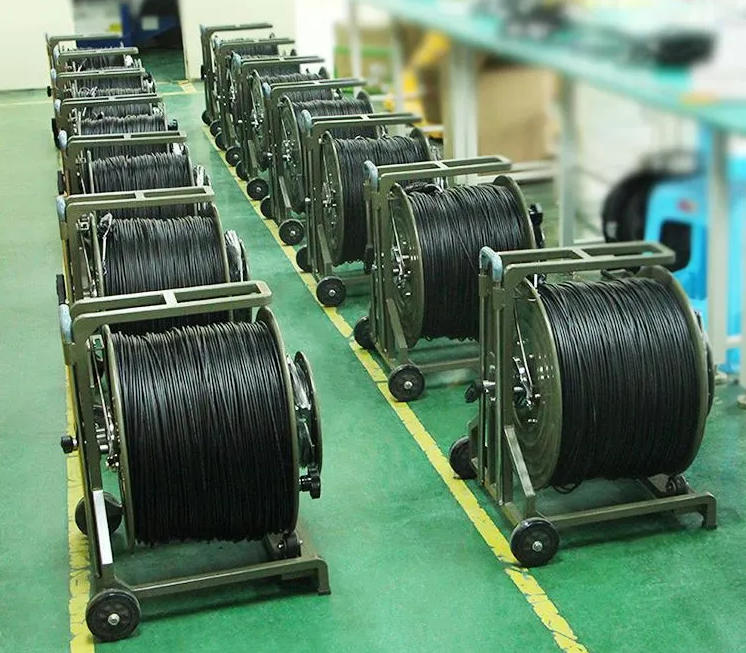
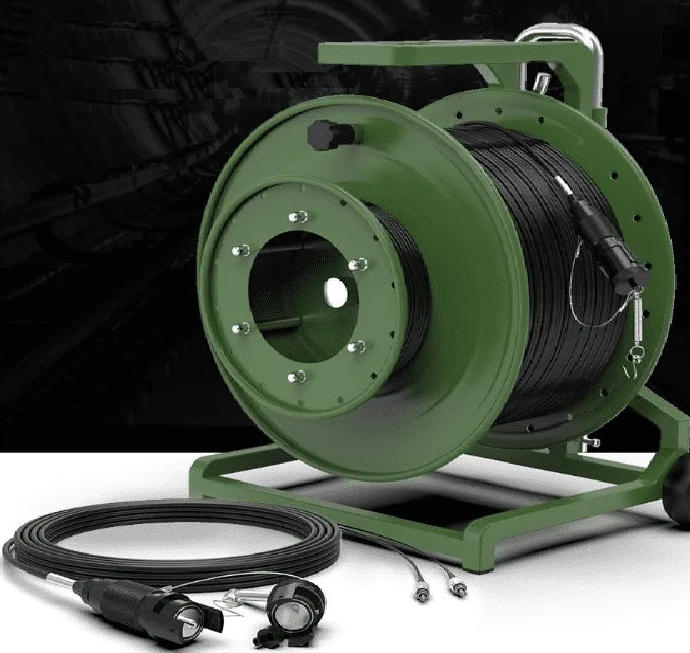
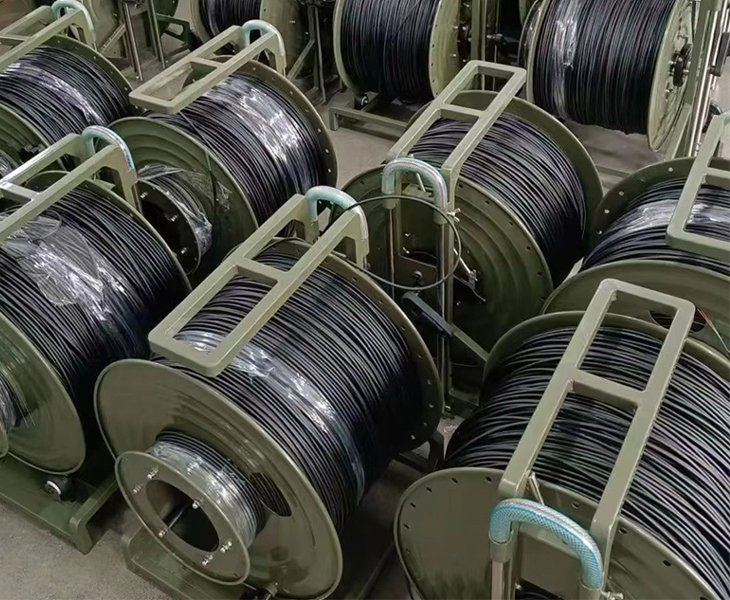
- Reel-Ready: Often supplied on portable, military-grade reels for immediate “plug-and-play” deployment.
Technical Specifications and Advantages
When evaluating a Tactical Fiber Optic Cable, several technical parameters set it apart from commercial-grade alternatives.
1. Mechanical Strength
A defining feature is its tensile strength. High-quality Tactical Fiber Optic Cable can withstand short-term tensile loads ranging from 1500N to 3000N. This ensures the cable does not snap when pulled across rough terrain or during rapid retrieval.
2. Environmental Resistance
The outer jacket is usually made of Thermoplastic Polyurethane (TPU). This material provides:
- Abrasion Resistance: Protects against dragging over rocks or concrete.
- Chemical Resistance: Resists oils, fuels, and solvents often found in industrial or military settings.
- Wide Temperature Range: Operational capabilities typically span from -40°C to +70°C, ensuring performance in deserts and arctic conditions alike.
3. Flexibility and Bend Radius
Despite its toughness, a Tactical Fiber Optic Cable remains highly flexible. It features a small bending radius (often 10x to 20x the cable diameter), allowing it to navigate tight corners in vehicles or equipment racks without signal loss.
4. EMI Immunity
Because it is made of glass and plastic rather than copper, it is completely immune to electromagnetic pulses (EMP) and radio frequency interference (RFI), a critical requirement for military and broadcast applications.
Top Applications of Tactical Fiber Optic Cable
The versatility of Tactical Fiber Optic Cable makes it the go-to choice for several demanding industries.
Military and Defense
The largest consumer of Tactical Fiber Optic Cable is the defense sector. It is used for:
- Forward Operating Bases (FOBs): Connecting command centers to remote sensors or communication nodes.
- Mobile Command Posts: Establishing secure, high-speed data links between moving vehicles.
- Tactical Radios: Extending the range of communication systems via fiber backhaul.
Live Events and Broadcasting
Broadcasters rely on Tactical Fiber to transmit uncompressed 4K/8K video and audio signals from the field to the production truck. Its ability to be run across stadium floors or hung from rigging without damage is invaluable.
Emergency Response and Disaster Recovery
When natural disasters destroy traditional infrastructure, first responders use Tactical Fiber Optic Cable to set up temporary communication networks for coordination between police, fire, and medical teams.
Industrial and Mining
In mines or oil fields, where heavy machinery and corrosive substances are present, the durability of Tactical Fiber ensures continuous data transmission for automation and safety systems.
Market Trends: Single-Mode vs. Multimode
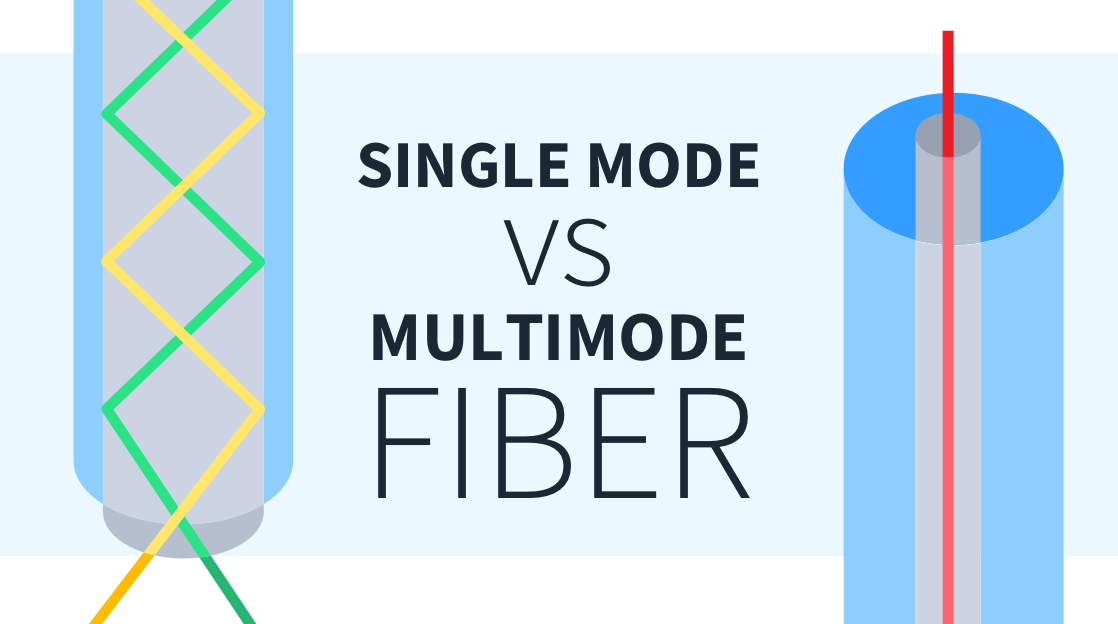
The market for Tactical Fiber Optic Cable is evolving. Currently, Single-Mode (SM) fiber dominates the market due to its superior performance over long distances, which is essential for military defense networks. However, Multimode (MM) fiber is seeing growth in mining and industrial settings where shorter distances and cost-efficiency are prioritized.
The global market is projected to grow significantly, driven by increased defense spending and the expansion of 5G networks requiring robust fronthaul solutions.
How to Choose the Right Tactical Fiber Optic Cable
Selecting the correct Tactical Fiber Optic Cable requires matching the product specs to your specific operational needs.
1. Fiber Count and Type
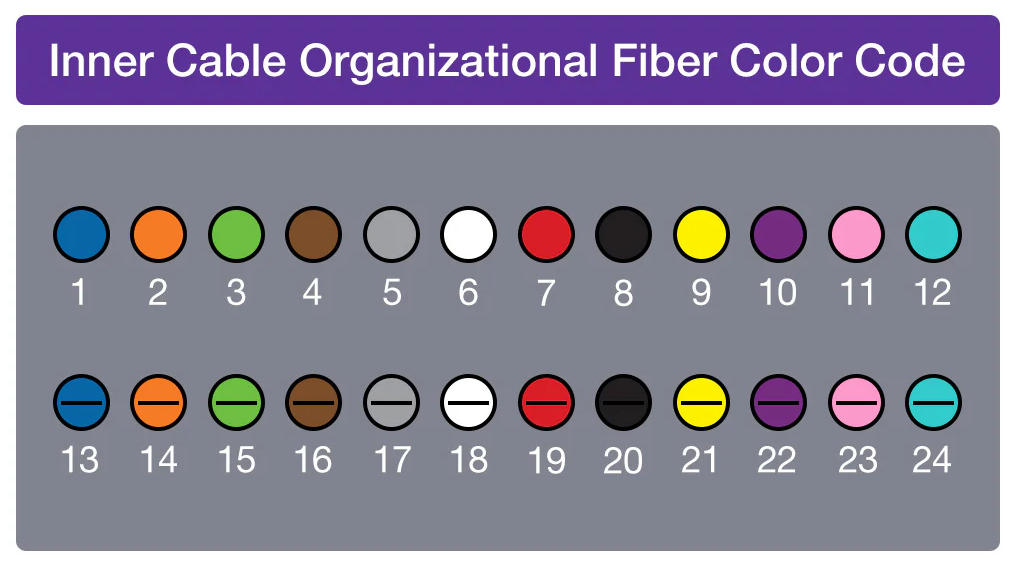
- Fiber Count: Determine how many strands you need (e.g., 2, 4, 6, 12, or 24 cores).
- Mode: Choose Single-Mode (OS2) for distances over 2km or Multimode (OM3/OM4) for high-bandwidth, short-range links.
2. Connector Compatibility
The value of a Tactical Fiber Optic Cable is maximized when it comes with pre-terminated connectors. Look for:
- Military-Grade: TFOCA, MIL-DTL-83526(IP67 rated, waterproof).
- Commercial-Grade: LC, SC, ST (suitable for less extreme environments).
3. Jacket Material
Ensure the outer jacket is TPU (Thermoplastic Polyurethane) for the best balance of toughness and flexibility.
4. Deployment Method
Decide if you need the cable loose or pre-spooled on a Tactical Reel. Reels simplify deployment and prevent tangling, significantly reducing setup time.
Installation and Maintenance Tips
To ensure the longevity of your Tactical Fiber Optic Cable, follow these best practices:
- Avoid Sharp Bends: Never exceed the minimum bend radius. Use cable ramps if running across roads to prevent crushing.
- Clean Connectors: Before every use, clean the connectors with approved wipes or cleaning tools. Contamination is the #1 cause of signal loss.
- Proper Storage: Always rewind the cable onto the reel loosely to prevent kinking. Store in a cool, dry place away from direct sunlight when not in use.
- Regular Testing: Use an OTDR (Optical Time Domain Reflectometer) periodically to check for hidden breaks or excessive attenuation.
Conclusion
Tactical Fiber Optic Cable is more than just a wire; it is a critical asset for any operation requiring secure, high-speed data transfer in unforgiving environments. By understanding its construction, applications, and maintenance requirements, you can ensure that your communication infrastructure remains as agile and resilient as the teams using it.
Whether you are upgrading a military comms array or setting up for the next Super Bowl halftime show, investing in high-quality Tactical Fiber is an investment in reliability.
Frequently Asked Questions
1. What is the difference between Tactical Fiber Optic Cable and standard outdoor fiber cable?
Answer: The primary difference lies in ruggedization and flexibility.
- Standard Outdoor Cable: Designed for permanent burial or aerial suspension. It is stiff, fragile under tension, and not meant for movement.
- Tactical Fiber: Features a tight-buffered design with high-tensile aramid yarn (Kevlar). It is engineered for rapid deployment and retrieval, resistant to crushing, abrasion, and extreme temperatures. It is the standard for military, broadcast, and emergency response.
2. What is the minimum bend radius for Tactical Fiber?
Answer: It depends on the state of the cable:
- Dynamic (During Deployment/Movement): Must not be less than 20 times the cable diameter.
- Static (Installed): Must not be less than 10 times the cable diameter.
Exceeding these limits causes micro-bending, leading to significant signal loss (attenuation).
3. Which connectors are best for Tactical Fiber Optic Cable?
Answer: For harsh environments, military-grade connectors are recommended:
- TFOCA-II / MIL-DTL-83526: These are the industry standard. They are waterproof (IP67 rated), rugged, and feature quick-lock couplings.
- Commercial Grade (LC/SC/ST): Used when connecting directly to standard IT equipment indoors, but they require protective housings for field use.
4. Can Tactical Fiber Optic Cable withstand being run over by a vehicle?
Answer: Only specific models labeled as “Run-over-Rated” (RoR).
Standard tactical cables can handle heavy dragging but will break under the weight of a vehicle. Run-over-rated cables have reinforced armor and special jacketing that allows them to survive slow passes from light tactical vehicles (like HMMWVs) without service interruption.
5. Why does my Tactical Fiber fail in cold weather?
Answer: The issue is likely the jacket material.
Many low-cost cables use PVC (Polyvinyl Chloride), which becomes brittle and cracks below -10°C. For true all-weather performance, ensure your cable uses a TPU (Thermoplastic Polyurethane) jacket, which remains flexible down to -55°C.
6. How do I find a break in a Tactical Fiber Optic Cable?
Answer: Use an OTDR (Optical Time Domain Reflectometer).
An OTDR sends a pulse of light down the fiber and measures the reflection. It will display a graph showing the exact distance to the break point. For quick visual checks, a Visual Fault Locator (VFL) or Red Light Pen can also be used to see light leaking from the break.
7. What is the typical lifespan of a Tactical Fiber Cable?
Answer: Lifespan is measured in deployment cycles, not years.
A high-quality tactical cable should withstand 500 to 1,000 field deployments (reeling and unreeling) before the fibers fatigue. Poor quality cables may fail after only a few dozen uses.