EPFU Air Blown Fiber Optic Cable Characteristics
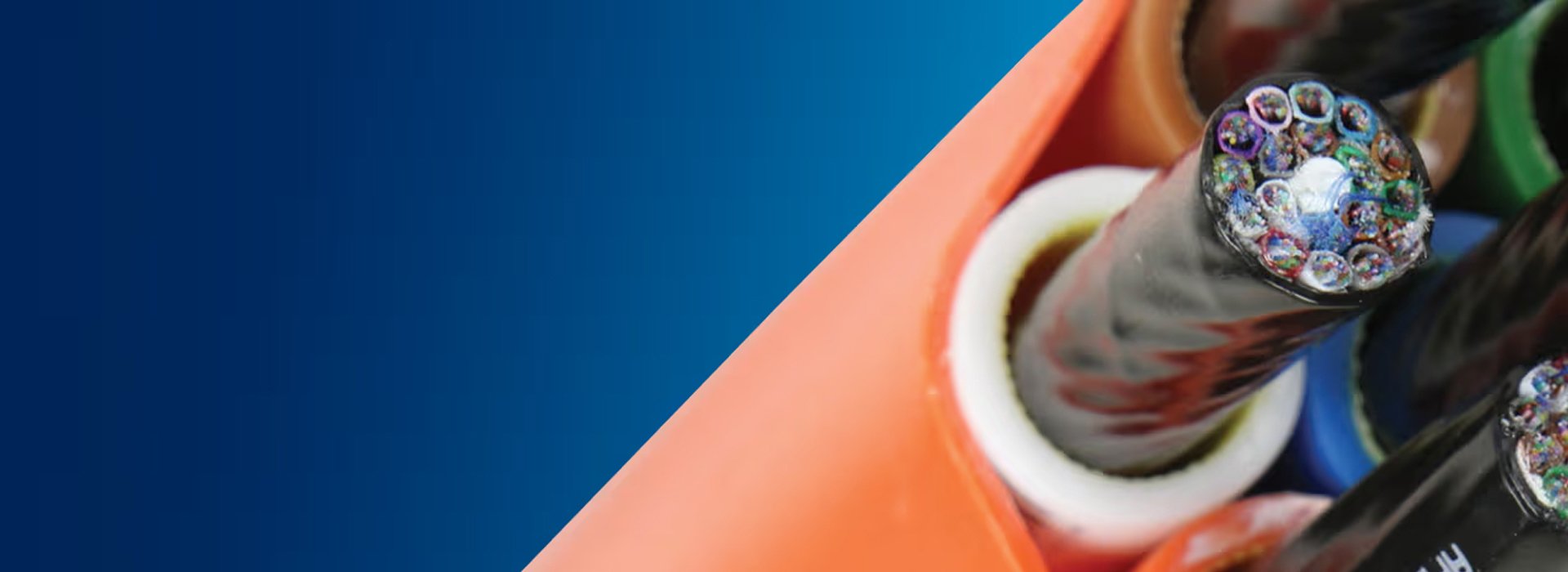
Ultra-small size: Diameter approximately 1.0 mm, suitable for 5.0/3.5 mm microtubes.
Light and flexible: Weight approximately 1.0 kg/km, easy to bend, and can be repeatedly laid.
High-efficiency air blowing: Standard air blowing distance can reach 800–1000 meters.
Dry structure: No grease, easy to peel off, and quick termination.
Environmental tolerance: Working temperature -40℃ ~ +70℃.
OUFU Successfully Challenged The Most Difficult Air-Blown Cable Route
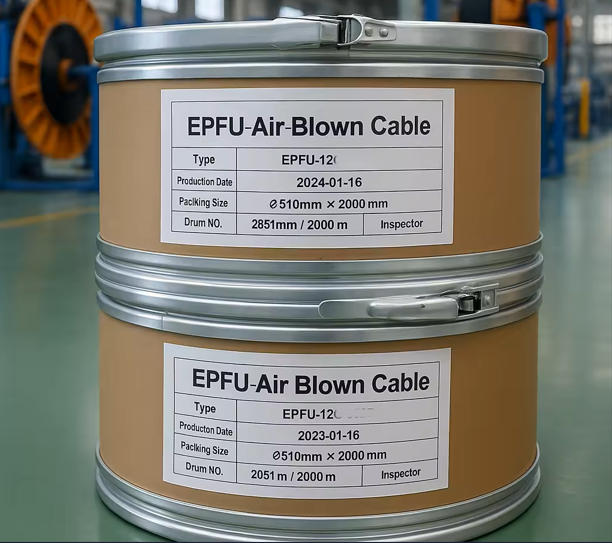
Test micro-cable: 2-core EPFU optical fiber bundle
Micro tube: 5.0/3.5mm
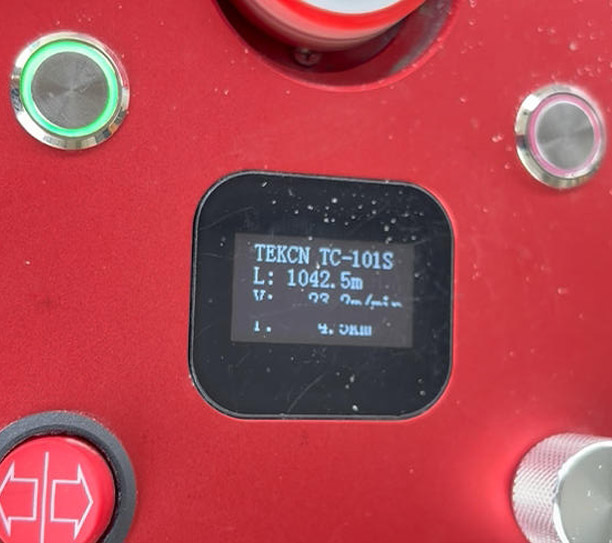
Air blowing route: German Vetter
Length: 1500m
Air blowing completed: 1030m (required more than 1000m)
Took: 24 minutes
Average speed: 43m/min
Air Blown Fiber Optic Cable Manufacturer in China
Air-blown fiber optic cables first install micro-tubes, and then blow the cable as needed. There is no need to lay large-core optical cables all at once, which reduces your initial construction cost. Can blow 1-2 km at a time, and compared with the traditional traction method, it can achieve longer-distance fiber optic cable laying.
OUFU offers a one-stop service for air-blown fiber optic cable: from cable selection, scheme design, production and manufacturing, logistics distribution, after-sales technical guidance, to full-time dedicated coordination, all to eliminate your concerns.
Welcome to visit our factory. Feel free to contact us at any time!
Hot-Selling Air Blown Fiber Optic Cable
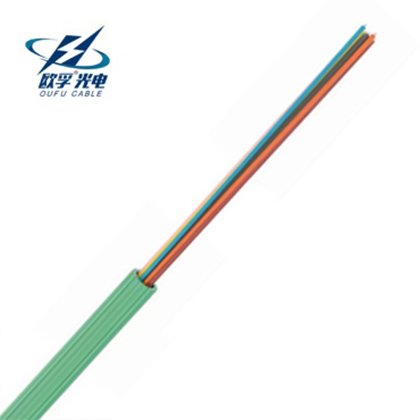
Saves duct space, enables high-density cabling, easier installation.
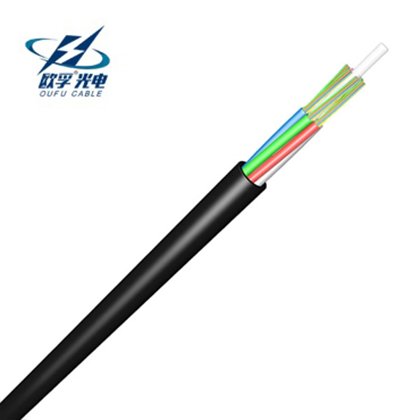
High resistance to bending, stable in FTTH and complex routing.
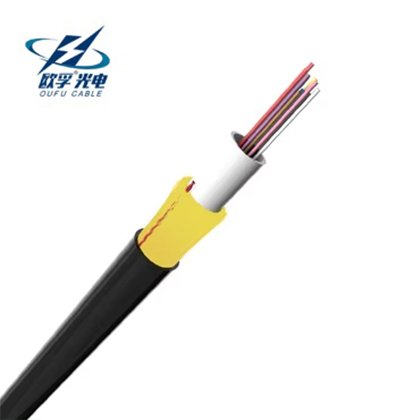
Flexible for building, duct and indoor/outdoor complex layout.
EPFU Air Blown Fiber Optic Cable
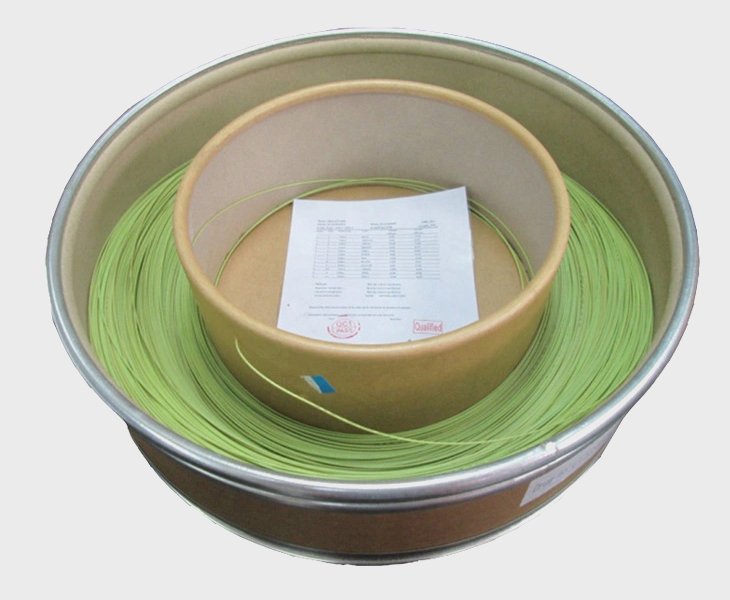
It is a small-core micro optical cable specially designed for air-blown installation. Its full name is “High Performance Air-Blown Optical Unit”, and it is the mainstream wiring solution for FTTH (Fiber To The Home) and FTTD (Fiber To The Desk) networks.
Saves duct space, enables high-density cabling, easier installation.
Low-friction jacket for long blowing distance & high installation speed.
High resistance to bending, stable in FTTH and complex routing.
Eco-friendly, fast stripping, high splicing efficiency.
Flexible for building, duct and indoor/outdoor complex layout.
UV-resistant, anti-aging, wide temperature range, long service life.
High Transmission Stability
Air blown fiber optic cables during the laying process, no pulling force is exerted on the fiber optic cable, avoiding the micro-bend loss or breakage risks caused by stretching or bending of the optical fiber; the low friction reduces the frictional damage between the optical cable and the inner wall of the pipeline, ensuring the stability of the fiber optic cable performance and extending its service life.
Flexible and Convenient Expansion
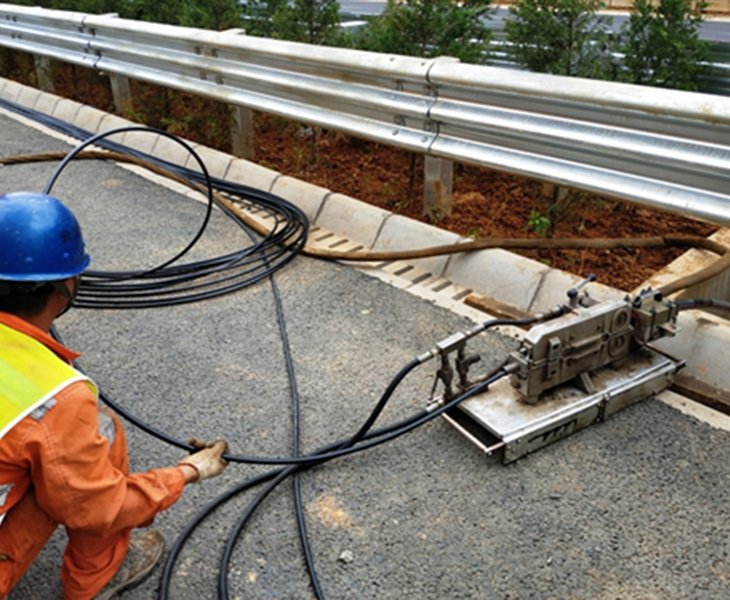
Air-blown fiber optic cables support the “pipe laying first, then cable blowing” mode. A single main pipe can pre-arrange multiple micro-pipes. Initially, small-core optical cables can be laid as needed. During network expansion in the future, you don’t need to dig the road surface or replace the pipes. Just blow new optical cables into the vacant micro-pipes. It is suitable for the dynamic expansion requirements of 5G base stations and FTTH access networks.
Strong Adaptability
Air-blown fiber optic cables have good compatibility with complex terrains. Whether it is the narrow pipelines between buildings in cities, the long-distance laying in mountainous and hilly areas, or the pipeline renovation in old urban areas, you can avoid large-scale excavation and reduce the impact on the surrounding environment and traffic.
OUFU Professional Air Blown Fiber Optic Cable Manufacturer
OUFU is equipped with an independent testing laboratory and a warehousing and logistics center, enabling a fully integrated operation of production – testing – warehousing – shipping. We logistics network covers the entire globe, The air blown fiber optic cables support multiple shipping modes such as full container / retail/foreign trade customs declaration.
Air blown fiber optic cables are specially designed for air-blown construction. They have a smaller outer diameter and are lighter in weight. The sheath is made of a material with a low friction coefficient (such as HDPE), and it can float and pass through micro-tubes under the push of high-pressure air. Ordinary optical cables are mostly laid by traction, and their structure mainly focuses on tensile strength. Their outer diameter and friction coefficient are not suitable for air-blown construction.
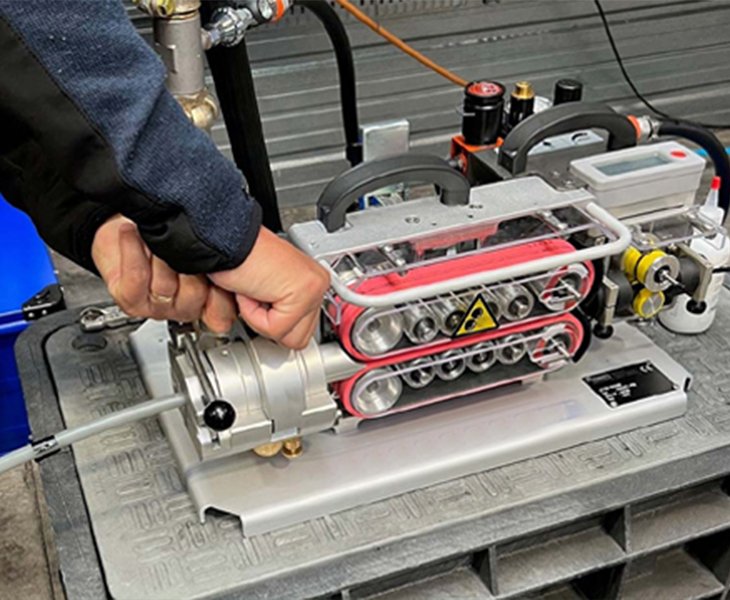
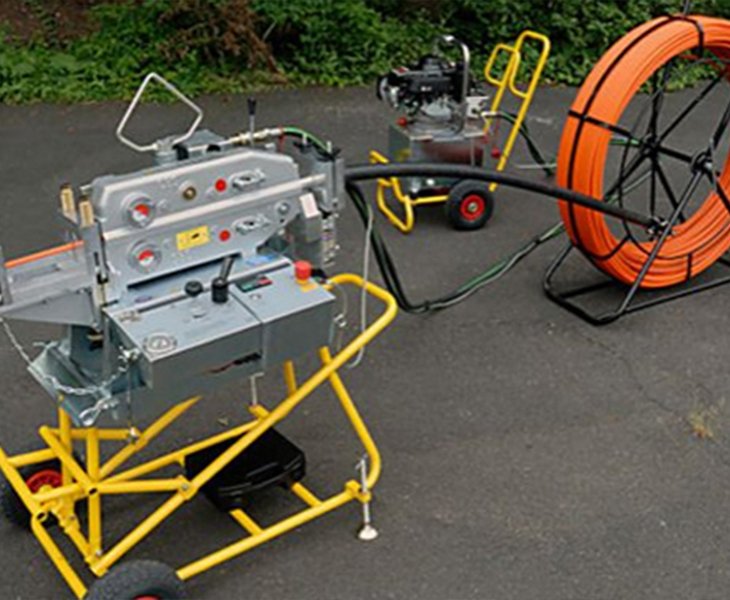
By using the high-pressure and high-speed compressed air generated by the air blower, the air seal piston connected at the end of the optical cable is pushed forward. At the same time, the conveying mechanism of the blower moves the cable forward, allowing the optical cable to travel rapidly through the micro-tube in a suspended state. There is no pulling force throughout the process, thus avoiding damage to the optical fibers.
Under normal conditions, the single-air-blowing distance can reach 1,000-2,000m. Even in complex terrain (such as with many bends), it can still reach 500-800m. The laying speed is 60-90m per minute, which is 3-5 times that of traditional traction laying, significantly shortening the construction period.
The key requirement is that the matching ratio of the inner diameter of the microtube to the outer diameter of the optical cable should be≥1.25:1 (for example, a 5mm inner diameter microtube is suitable for≤4mm outer diameter optical cables), ensuring that the air flow can smoothly push the optical cable; the inner wall of the microtube should be smooth and free of damage or deformation, and the material should preferably be HDPE or silicone core tube to reduce friction resistance.
The core application scenarios include FTTH (Fiber To The Home) installation, 5G front/handover transmission, data center interconnection, metropolitan area network expansion, and renovation of old urban water supply networks. In old urban areas, there is no need to dig the road surface. The original pipes can be directly used to insert micro-tubes, and then air-blown fiber optic cables can be installed. The impact on traffic and residents’ lives is extremely small.