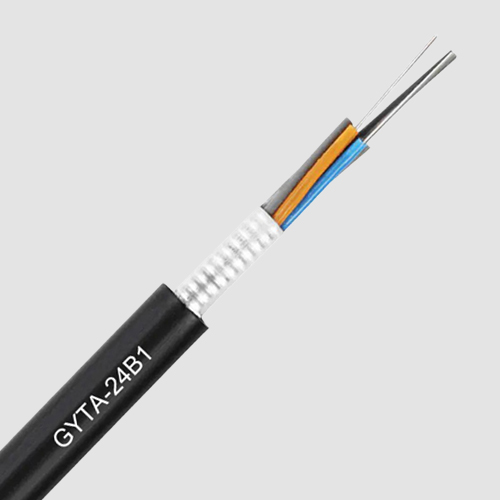
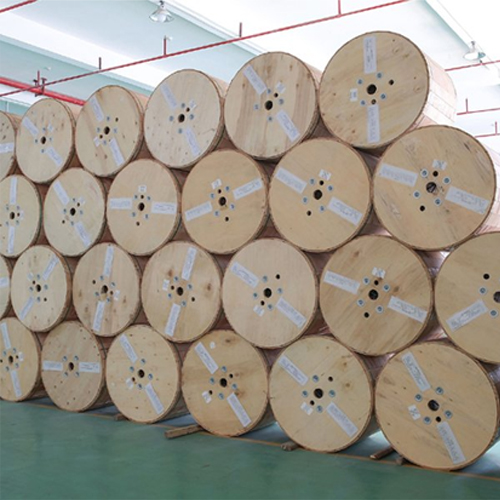
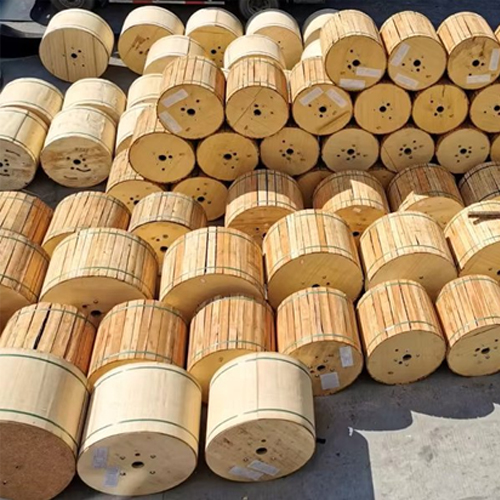
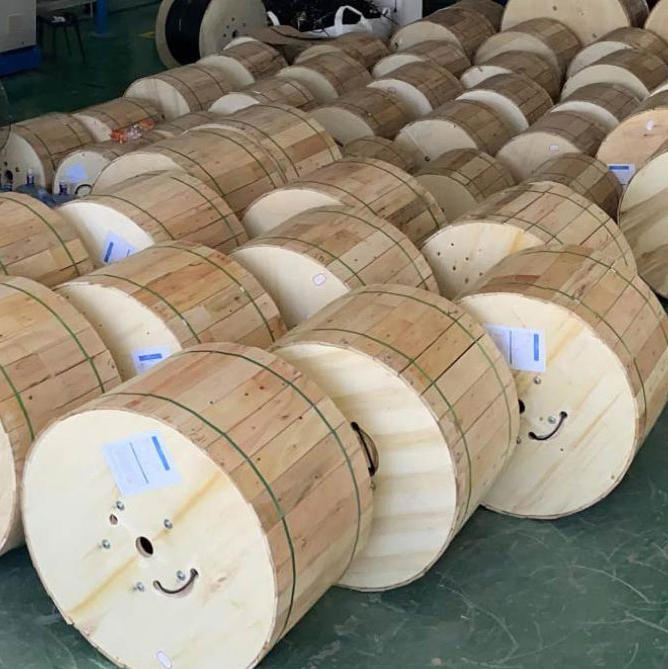
12 24 48 72 144 Cores GYTA Fiber Optic Cable
GYTA is the workhorse of inter-office connections and long-distance transmission. Its excellent moisture resistance makes it ideal for duct installations in metropolitan areas where cables are pulled through underground conduits.
For campus backbones and industrial complexes, GYTA provides a robust link between main distribution frames (MDFs). Its aluminum armor offers a degree of protection against minor physical impacts and rodents compared to non-armored cables.
Thanks to its full gel-filling and APL layer, GYTA is suitable for high-humidity regions or areas with fluctuating temperatures (-40°C to +70°C), ensuring signal integrity where standard cables might fail.
Superior Moisture Resistance
Unlike dry-water-blocked cables, GYTA uses a 100% gel-filled core. This ensures that even if the outer sheath is compromised, water cannot migrate longitudinally along the cable length, protecting the fibers from freezing or corrosion.
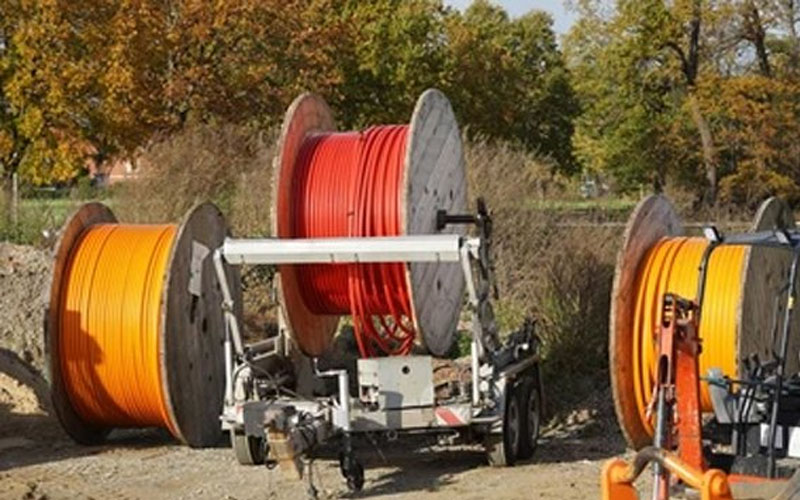
Excellent Crush & Impact Resistance
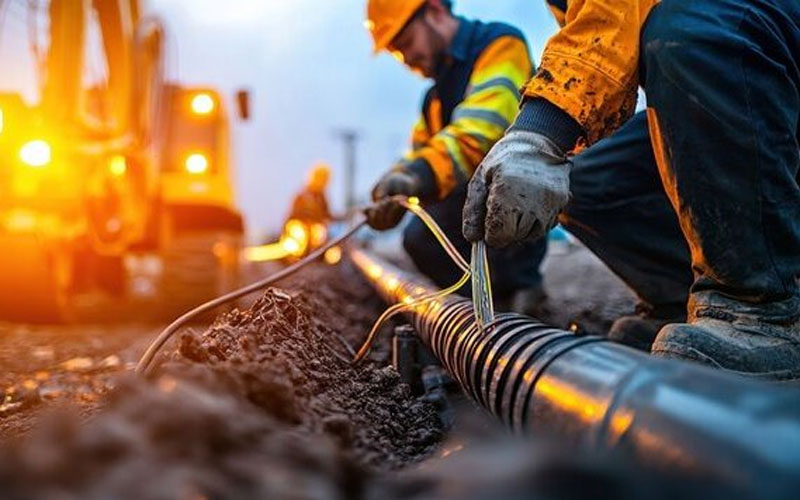
GYTA combination of the stranded steel wire center and the aluminum tape provides high crush resistance (typically >1000 N/100mm for short term), protecting the fibers during backfilling or in congested ducts.
Cost-Effectiveness
GYTA offers a perfect balance between performance and price. It provides necessary protection for most outdoor environments without the higher cost of steel wire armor (found in GYTS or GYTY53 cables).
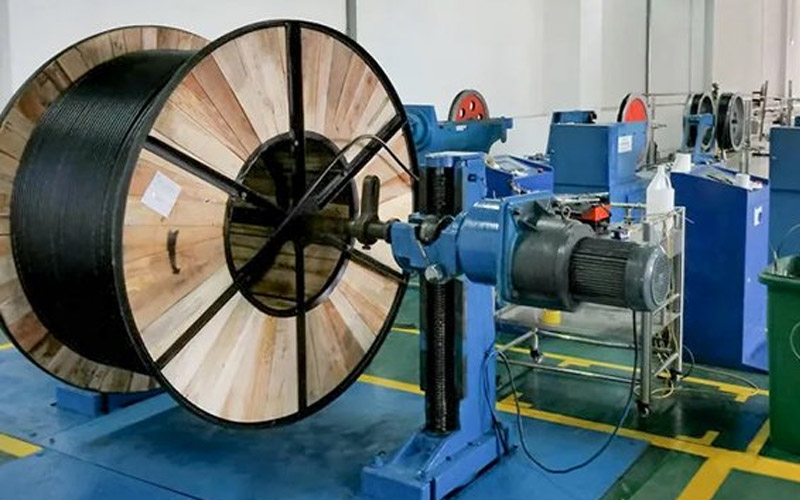
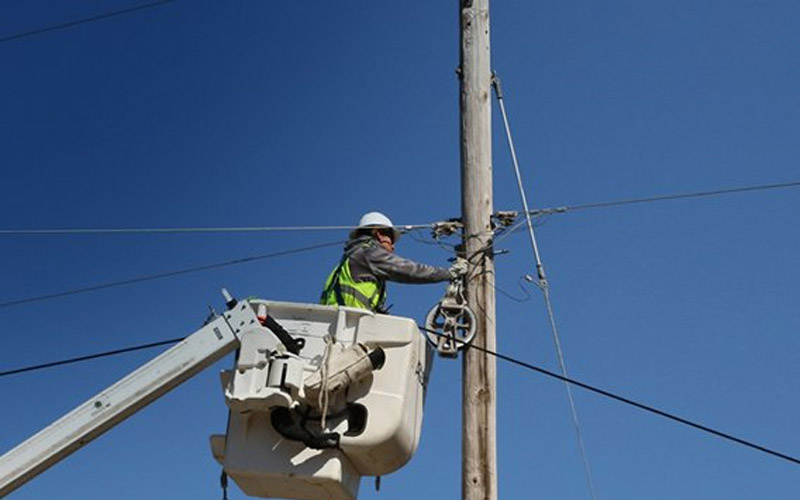
Long Span Support
GYTA with high tensile strength (ranging from 600N to 3000N depending on the model), it supports long-distance aerial spans, reducing the number of poles or support structures required.
Your Leading GYTA Fiber Optic Cable Manufacturer in China
The GYTA fiber optic cable remains a top-tier choice for outdoor communication networks due to its reliable moisture barrier, robust mechanical protection, and versatility in installation. Whether you are building a city-wide backbone or connecting a remote cell tower, GYTA offers the durability required for 21st-century connectivity.
Looking for high-quality GYTA cables for your next project?
Contact our engineering team today to get a customized quotation and technical datasheet tailored to your specific fiber count and environmental needs.
GYTA Cable Specifications
| Fiber Count | 2 – 288 Core |
| Fiber Type | G652D, G657A1, G657A2 |
| Jacket Material | PE |
| Color | black |
| Strength Member | FRP |
| Length | 1km, 2km, 3km, 4km, customizable |
Data is for reference only. Custom fiber counts, messenger diameters, and jacket markings (meter counting) are available on request.
Need a quote for your GYTA project? Contact our sales team or request a free sample of GYTA Fiber Optic cable today.
Innovative Methods for Laying GYTA Fiber Optic Cables
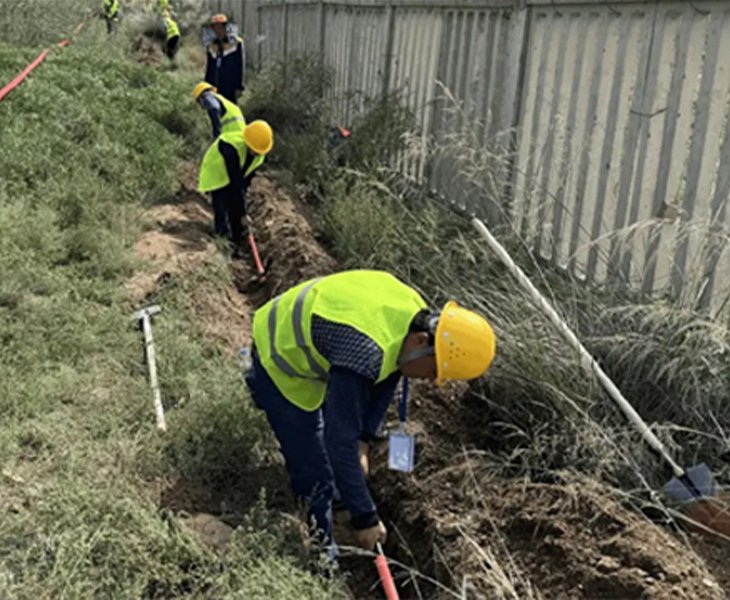
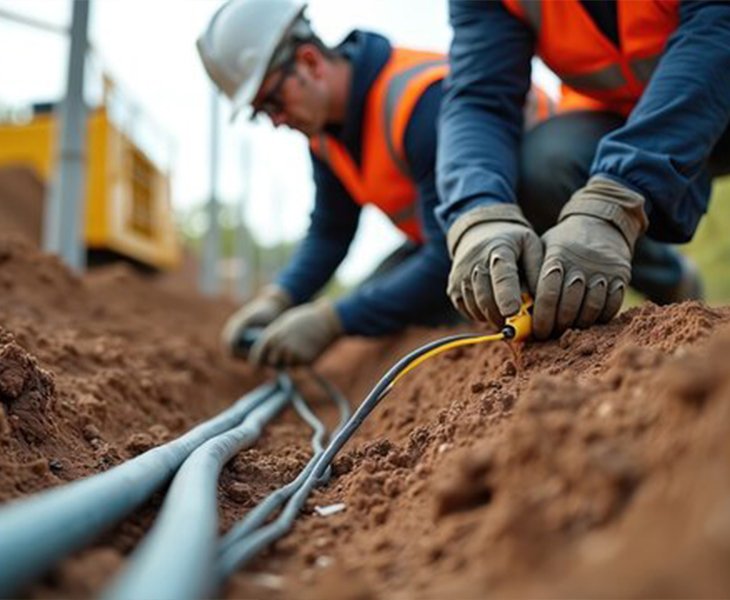
The deployment of GYTA (Aluminum Tape Armored) fiber optic cables has evolved significantly beyond traditional manual pulling. Modern innovations focus on mechanical automation, structural optimization, and intelligent monitoring to enhance efficiency, reduce fiber damage, and extend the network lifespan.
1. Mechanical Automation & Precision Tension Control
Traditional manual pulling often causes uneven tension and surface abrasion. Innovation now focuses on Constant Tension Technology.
- Powered Pay-off Stands: Utilizing electric pay-off machines equipped with hydraulic or electronic tension controllers. This maintains the pulling force strictly within the safe range (e.g., < 1500N for standard GYTA), preventing micro-bends or fiber breaks caused by sudden jerks.
- Track-assisted Conveyors: In complex indoor or underground scenarios, track-driven conveyors are used to support the cable weight, drastically reducing friction and preventing the sheath from dragging on rough surfaces.
2. Structural Innovation: “Easy-access” (Non-cut) Branching
A major pain point in access networks is cutting the main cable to extract fibers. An innovative structural design called “Easy Peel / Non-cut Access” solves this.
- Selective Buffer Tube Extraction: By optimizing the internal structure (e.g., using elliptical designs or pre-marked peel points), technicians can “window” the outer jacket at any intermediate point without severing the main cable. This allows for the extraction of specific loose tubes, minimizing service interruption and reducing splice loss points.
3. Advanced Anti-twist & Bending Protection
GYTA cables contain a central metallic strength member and aluminum tape, making them susceptible to twisting damage if mishandled.
- Multi-sheave Roller Systems: Using specialized anti-twist running boards and multiple sets of corner rollers to ensure the cable bending radius never falls below the critical threshold (typically >20x the cable diameter) during turns.
- Rotational Swivels: Incorporating high-strength swivel joints between the pulling rope and the cable grip to neutralize torsional forces during long-distance hauls.
4. Hybrid & Complex Terrain Solutions
Standard GYTA is designed for ducts and aerial lashing, but innovation is expanding its reach into harsher environments.
- GYTA53 Upgrade for Direct Burial: Instead of standard GYTA, many projects now innovate by using GYTA53 (double steel tape + PE sheath) for direct burial. This integrates a physical protection layer against crushing and rodent attacks without changing the installation method.
- Submarine Transition Deployment: For crossing rivers or lakes, a hybrid approach is used: transitioning from standard GYTA on land to GYTA333 (double steel wire armored) in shallow waters, utilizing heavy-weight tensioning techniques to maintain stability on steep slopes.
5. Digitalization & Smart Monitoring During Installation
Innovation is shifting from “just laying the cable” to “laying the cable with data.”
- Distributed Fiber Sensing (DAS/DTS): Integrating Distributed Acoustic Sensing (DAS) during the pull. This allows engineers to monitor vibration and strain in real-time along the cable length, immediately detecting if the cable is snagged or experiencing excessive stress.
- GIS-based Route Mapping: Immediately embedding Electronic Marker Balls or RFID tags along the route during burial. This creates a digital twin of the underground network, facilitating future maintenance and preventing accidental cuts by excavators.
Frequently Asked Questions
While GYTA has good moisture resistance, it is primarily designed for duct installation. For direct burial where heavy pressure or rodent activity is a concern, GYTS (Steel Tape) or GYTY53 (Steel Wire Armor) is usually recommended.
Standard GYTA cables operate effectively between -40°C to +70°C, making them suitable for extreme climates.
No. GYTA contains a metal central strength member and an aluminum tape, making it a metallic cable. If a non-conductive (dielectric) cable is required (e.g., near high-voltage power lines), a GYFTY cable should be used.