OPGW Fiber Optic Cable Critical Roles
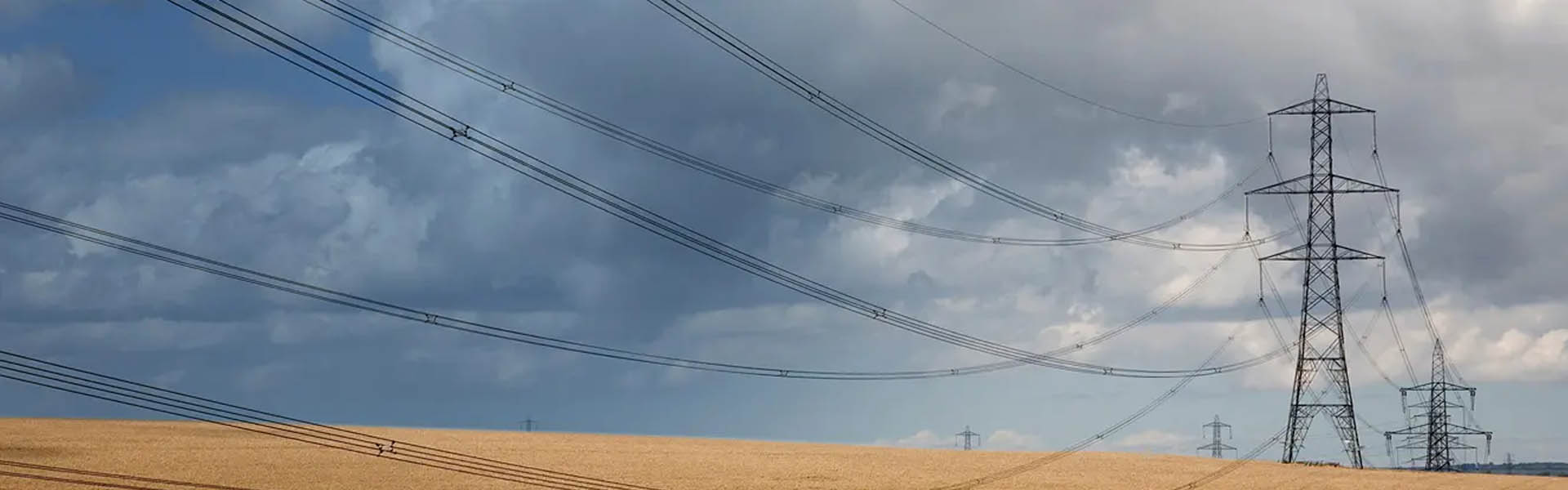
- Ground Wire (Earth Wire): It acts as a shield against lightning strikes, protecting the phase conductors.
- Communication Channel: It houses optical fibers within its metallic structure, providing a secure path for telecommunication signals.
The Anatomy of an OPGW Cable
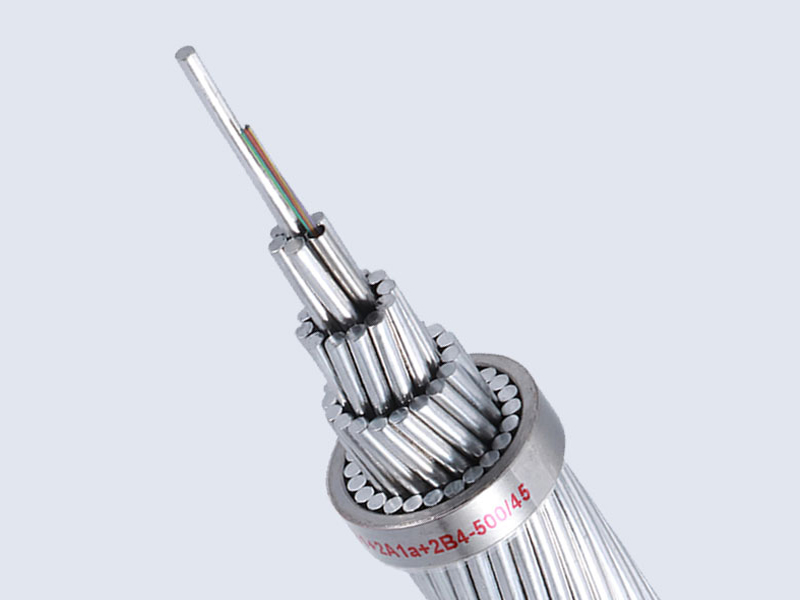
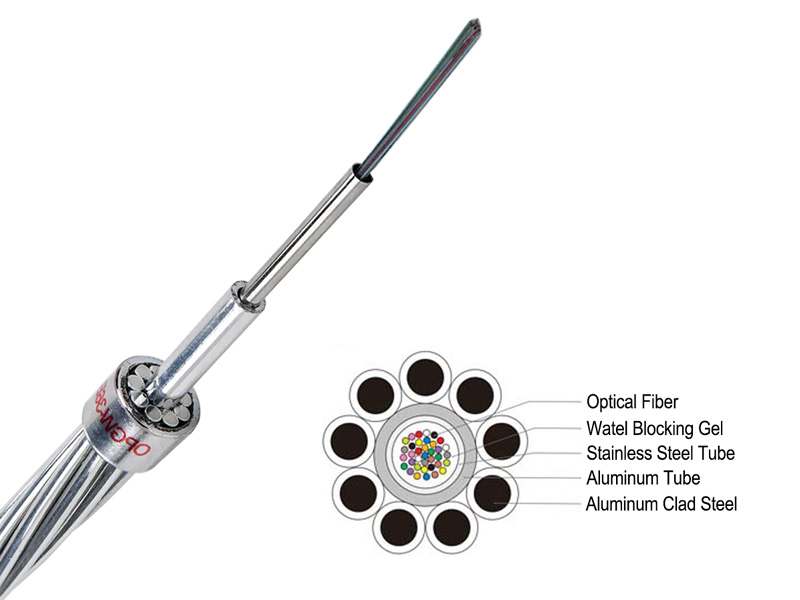
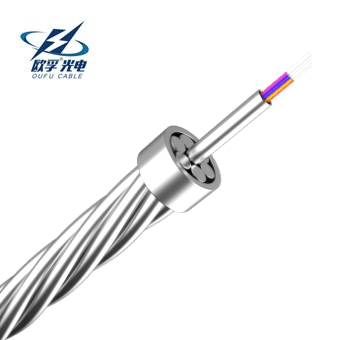
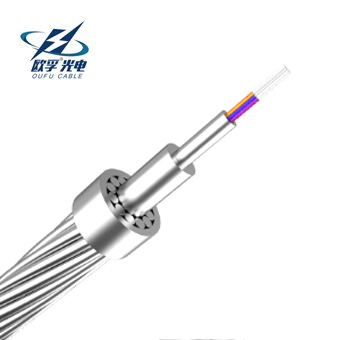
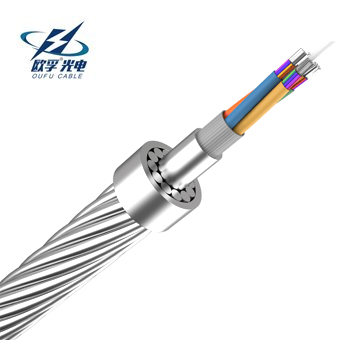
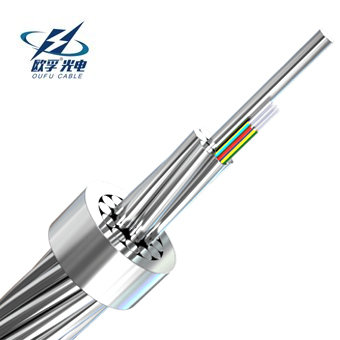
- Optical Unit: Usually a stainless steel tube containing the optical fibers, filled with hydrophobic gel to prevent moisture ingress.
- Metallic Layers: Strands of Aluminum Clad Steel (ACS) or Aluminum Alloy (AA) wires wrapped around the optical unit. These provide the necessary tensile strength and electrical conductivity for short-circuit currents.
OPGW: The Future of Grid Communication
The OPGW cable is more than just a wire; it is the nervous system of the smart grid. Its ability to merge electrical safety with high-bandwidth communication makes it an indispensable asset for modern infrastructure. Whether you are building a new 500kV transmission line or integrating a remote solar farm, OPGW offers a proven, cost-effective, and reliable solution.
Looking for high-quality OPGW cables designed for your specific environmental conditions?
Contact our engineering team today to get a customized solution and technical datasheet for your next project.
OPGW Optical Ground Wire
OUFU OPGW cable with large cross-section, big cores, large capacity, long span, ice resistance, sand, lighting resistance.
Renewable Energy Integration (Wind & Solar)
Space and Cost Efficiency
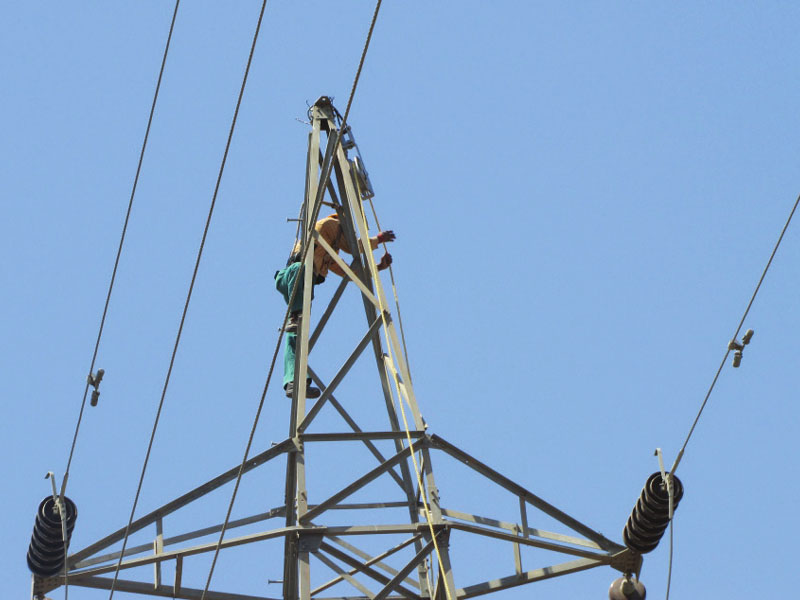
OPGW by combining the ground wire and communication cable into one, you save on materials and labor. There is no need for extra poles or underground civil works. The installation is synchronized with the stringing of the phase conductors.
Superior Lightning Protection & Safety
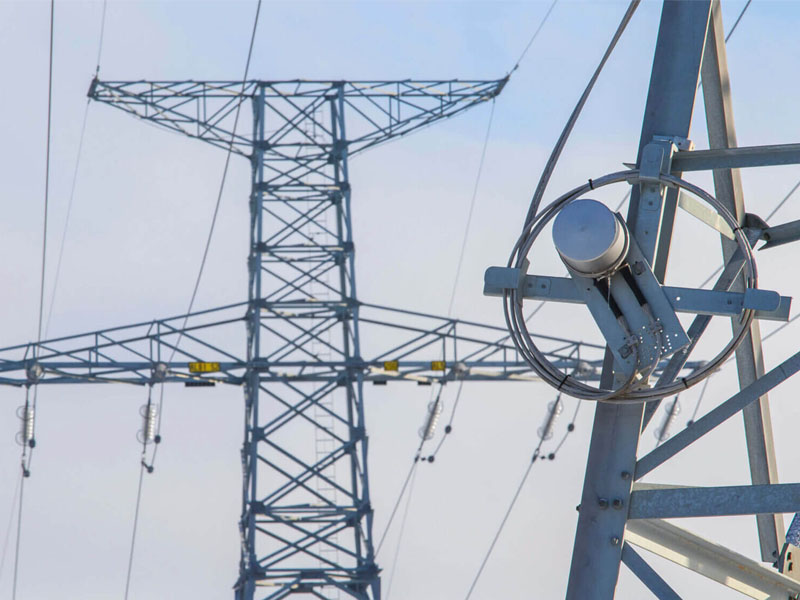
Positioned at the highest point of the tower, the metallic armor of the OPGW intercepts lightning strikes, diverting the energy safely to the ground. This significantly reduces the risk of outages on the power line.
Immunity to Electromagnetic Interference (EMI)
Fiber optics transmit data using light, not electricity. This makes the communication channel completely immune to the strong electromagnetic fields generated by the high-voltage power lines running below it.
High Reliability in Extreme Environments
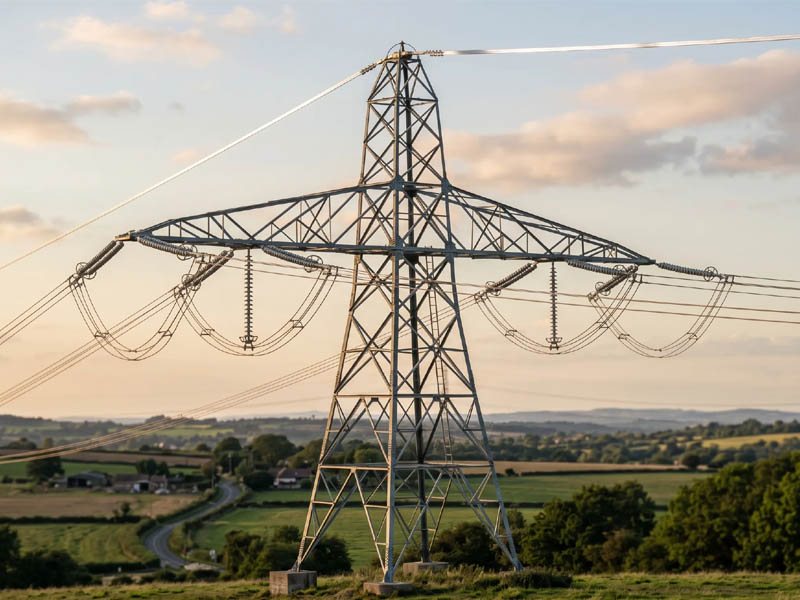
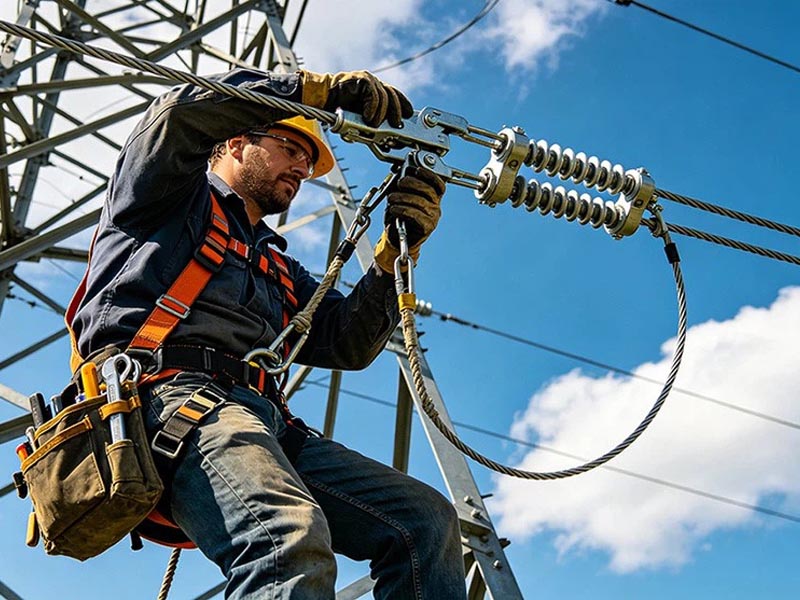
Modern OPGW designs are built to withstand extreme weather, including heavy ice loads and hurricane-force winds. The stainless steel tube protects the delicate fibers from physical stress and corrosion.
OPGW Fiber Optic Cable Application Scenarios
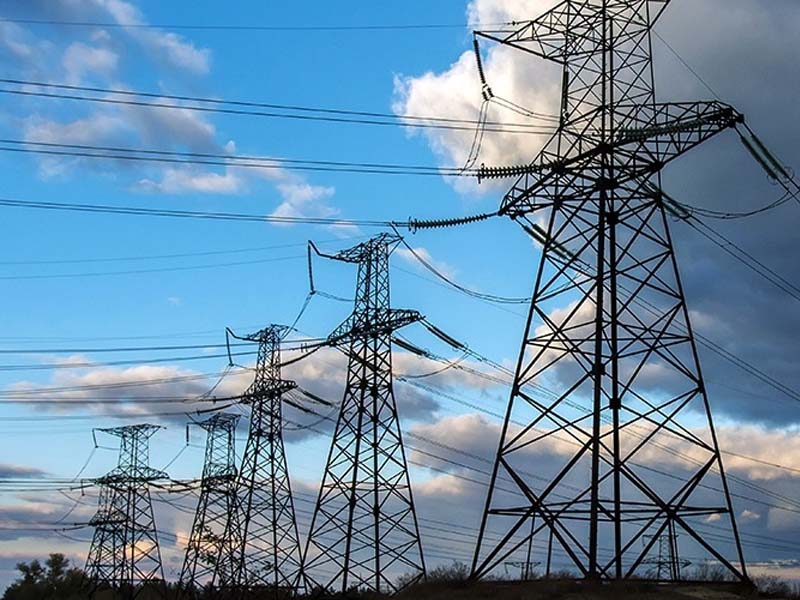
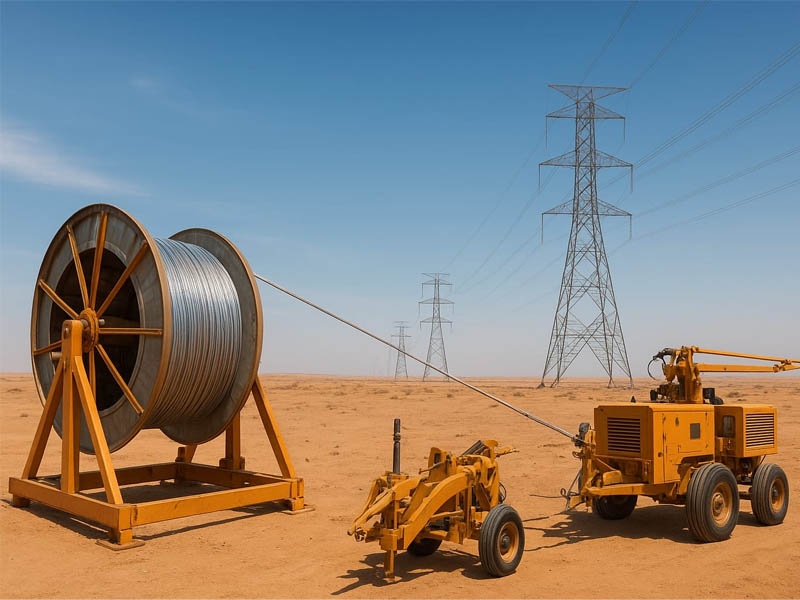
High-Voltage Power Transmission (110kV – 500kV+)
The primary application of OPGW is on new high-voltage (HV) and extra-high-voltage (EHV) transmission lines.
- Use Case: Connecting substations for SCADA (Supervisory Control and Data Acquisition) systems, relay protection, and telephony.
- Why: It eliminates the need for separate communication poles, saving right-of-way costs.
Renewable Energy Integration (Wind & Solar)
As the world shifts toward green energy, OPGW is vital for connecting remote wind farms and solar parks to the main grid.
- Use Case: Transmitting real-time monitoring data from wind turbines or PV inverters to control centers.
- Advantage: Its high tensile strength supports long spans often required in rugged terrains where renewable sources are located.
Railway & Transportation Corridors
Railway electrification systems often share corridors with power lines.
- Use Case: Providing signaling and control data for railways while serving as the ground wire for the traction power supply.
- Benefit: Shared infrastructure reduces environmental impact and civil works costs.
Telecommunication Backbone (Leased Lines)
Power utilities often lease the fiber capacity within their OPGW to telecom carriers.
- Use Case: Creating a nationwide fiber backbone along existing power grids.
- Benefit: Telecom companies get a secure, aerial route without digging trenches, while utilities generate revenue from dark fiber.
Frequently Asked Questions
OPGW stands for Optical Fiber Composite Overhead Ground Wire. It is a type of cable used in high-voltage transmission lines that combines the functions of a ground wire (protecting against lightning) and a communication cable (transmitting data via optical fibers).
It typically consists of an optical fiber unit (usually protected by a stainless steel tube) at the center, surrounded by metallic strands (such as Aluminum Clad Steel – ACS or Aluminum Alloy – AA wires).
The most common structures are Central Tube type and Stranded (Layer Stranding) type. The central tube type offers good fiber excess length, while the stranded type provides higher mechanical strength and larger fiber counts.
Selection depends on several technical parameters:
- Rated Tensile Strength (RTS): Must match the tower load capacity.
- Fiber Count: Number of optical fibers needed (e.g., 24, 48, 96 cores).
- Short-circuit Current Capacity: Must withstand the fault current of the power line (kA²s).
- Outer Diameter & Weight: To ensure compatibility with existing towers.
They generally comply with international standards like IEC 60794-4 and national standards such as DL/T 832 (China) or IEEE 1138.