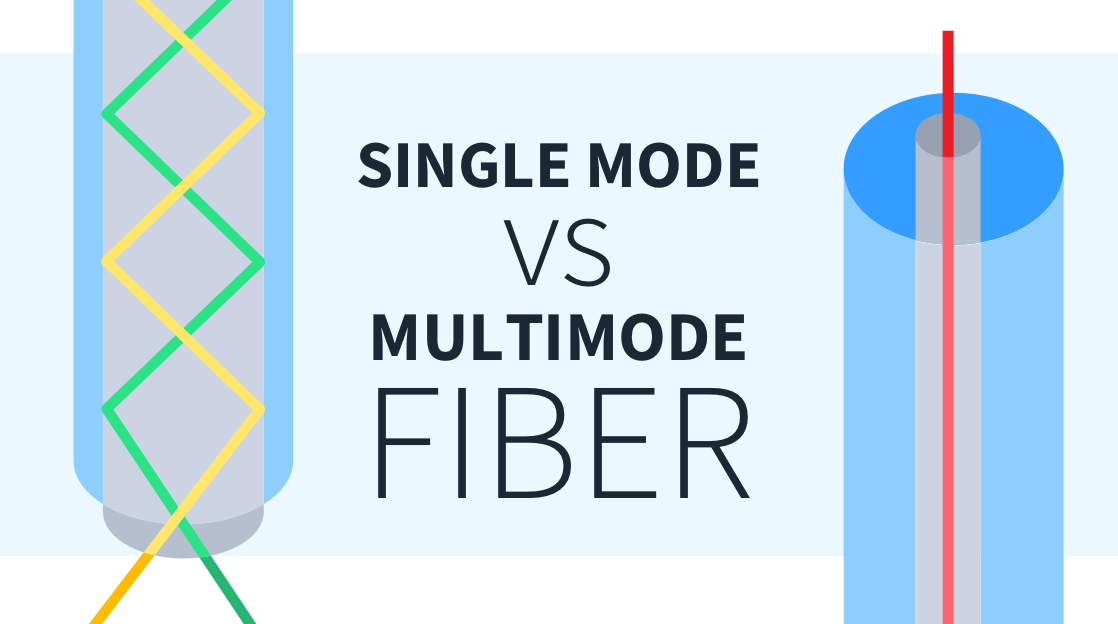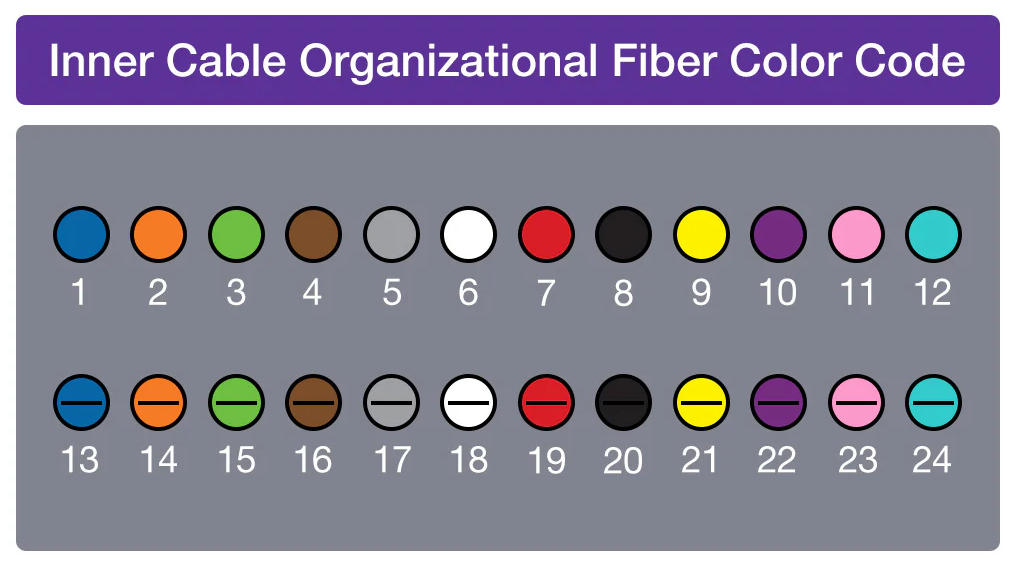
Fiber optic cable prices vary widely depending on cable type, fiber count, application, raw material cost, manufacturing technology, and order quantity.
In 2026, the global demand for fiber optic cables continues to increase due to:
- FTTH broadband expansion
- 5G network deployment
- AI data centers
- Cloud computing infrastructure
- Smart cities
- Industrial automation
The price of fiber optic cable is no longer determined only by the cable itself. Customers must consider fiber type, structure, protection level, installation environment, and supplier capability before making a purchasing decision. The market price range for common outdoor fiber cables can vary from around $0.10/m to several dollars per meter, depending on specifications and customization.
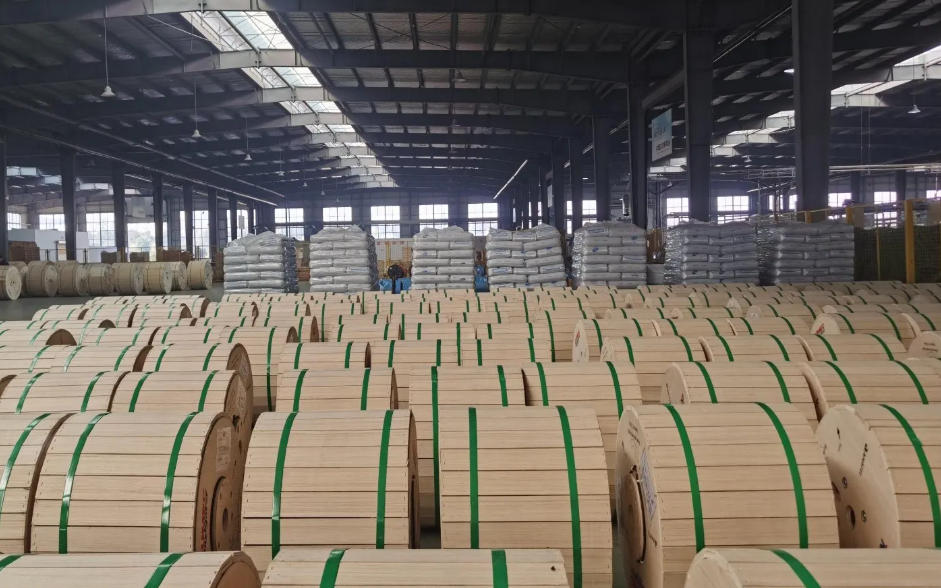
1. Average Fiber Optic Cable Price in 2026
Below is an estimated factory-level price range for common fiber optic cables.
| Fiber Cable Type | Typical Application | Price Range (USD/m) |
|---|---|---|
| FTTH Drop Cable | Home broadband | $0.03 – $0.05 |
| GJYXCH / GJYXFCH | FTTH aerial connection | $0.10 – $0.40 |
| GYXTW Cable | Outdoor duct/aerial | $0.15 – $0.50 |
| GYTS Cable | Outdoor backbone network | $0.18 – $0.80 |
| GYTA Cable | Long-distance telecom | $0.20 – $1.00 |
| ADSS Fiber Cable | Aerial power line communication | $0.40 – $2.00 |
| OPGW Cable | Power transmission network | $1.50 – $5.00+ |
| Armored Fiber Cable | Harsh environments | $0.50 – $3.00 |
Actual quotations depend heavily on fiber count, span length, jacket material, and order volume. Market supplier listings show examples of ADSS and outdoor cable prices ranging from roughly $0.10/m to above $1/m depending on specifications.
2. Fiber Optic Cable Price by Cable Type
2.1 FTTH Drop Cable Price
Typical Price:
$0.03 – $0.05/m
FTTH drop cable is one of the most widely purchased fiber products because of global fiber-to-the-home projects.
Common specifications:
- 1 core
- 2 core
- 4 core
- G657A1/G657A2 fiber
- Steel wire or FRP strength member
- LSZH or PE jacket
Price factors:
- Fiber type
- Jacket thickness
- Messenger wire
- Packaging method
- Production quantity
Applications:
- Residential broadband
- Fiber access networks
- FTTB/FTTH projects
2.2 GYTS Fiber Optic Cable Price
Typical Price:
$0.18 – $0.80/m
GYTS is a popular outdoor loose tube armored fiber cable.
Structure:
- Loose tube design
- Central strength member
- Steel tape armor
- PE outer jacket
Advantages:
- High tensile strength
- Good moisture resistance
- Long outdoor lifespan
Common buyers:
- Telecom operators
- ISP companies
- Network contractors
2.3 GYTA Fiber Optic Cable Price
Typical Price:
$0.20 – $1.00/m
GYTA cable uses aluminum tape armor.
Compared with GYTS:
| Feature | GYTA | GYTS |
|---|---|---|
| Armor | Aluminum tape | Steel tape |
| Weight | Lower | Higher |
| Installation | Easier | Stronger protection |
| Cost | Slightly higher | Usually lower |
Typical applications:
- Underground networks
- Duct installation
- Backbone communication
2.4 ADSS Fiber Optic Cable Price
Typical Price:
$0.40 – $2.00/m
ADSS (All-Dielectric Self-Supporting) cable is designed for aerial installation without metallic components.
Main price factors:
- Span length
- Fiber count
- PE/AT jacket
- Aramid yarn quantity
- Maximum tensile strength
Example:
| ADSS Specification | Approximate Price |
|---|---|
| 12 Core Short Span | $0.40-$0.80/m |
| 24 Core Medium Span | $0.60-$1.20/m |
| 48 Core Long Span | $1.00-$2.00/m |
Supplier listings commonly show ADSS cable prices around $0.40–$1/m for standard configurations, with higher prices for customized long-span designs.
3. Main Factors Affecting Fiber Optic Cable Price
3.1 Fiber Count
The number of fibers directly affects cost.
Example:
| Fiber Count | Cost Level |
|---|---|
| 2-12 Core | Low |
| 24-48 Core | Medium |
| 72-144 Core | High |
| 288+ Core | Premium |
More fibers require:
- Larger cable diameter
- More optical fiber
- More tubes
- More materials
3.2 Fiber Type
Different optical fibers have different costs.
G652D Fiber
Most common single-mode fiber.
Used for:
- Backbone networks
- Long-distance communication
Usually the most economical option.
G657A1 / G657A2 Fiber
Used for:
- FTTH
- Indoor wiring
- Small bending radius applications
Advantages:
- Better bending performance
- Easier installation
Usually slightly higher cost.
3.3 Cable Structure
Cable design strongly influences price.
Examples:
Basic Structure
Lower cost:
- Loose tube
- PE jacket
- Non-armored
Premium Structure
Higher cost:
- Double jacket
- Steel armor
- Water blocking
- High tensile strength
3.4 Raw Material Costs
Fiber optic cable prices depend on:
Optical Fiber
The fiber itself is one of the largest cost components.
PE Jacket Material
Used for outdoor protection.
Strength Members
Examples:
- FRP
- Steel wire
- Aramid yarn
Armor
Examples:
- Steel tape
- Aluminum tape
4. Why Fiber Optic Cable Prices Are Increasing in 2026?
Several market trends are affecting prices.
4.1 AI Data Center Growth
AI infrastructure requires massive amounts of optical connectivity. Demand from large-scale AI data centers has increased pressure on fiber supply chains.
4.2 Higher Fiber Demand
Major technology companies are expanding:
- Cloud computing
- AI clusters
- High-speed networks
This increases demand for:
- High fiber count cables
- Low-loss fiber
- Data center optical solutions
5. China Fiber Optic Cable Factory Price vs Distributor Price
Many overseas customers compare factory-direct pricing with local distributors.
Factory Direct Purchase
Advantages:
- Lower price
- OEM customization
- Technical support
- Large production capacity
Suitable for:
- Telecom projects
- Contractors
- Importers
Distributor Purchase
Advantages:
- Faster delivery
- Small quantity
- Local inventory
Disadvantages:
- Higher price
- Limited customization
6. How to Reduce Fiber Optic Cable Purchasing Cost
1. Buy Direct From Manufacturer
Avoid multiple middlemen.
2. Choose Correct Fiber Count
Do not over-specify.
Example:
A small FTTH project does not need a 144-core cable.
3. Order Larger Quantities
Typical price differences:
| Order Quantity | Price Level |
|---|---|
| Sample | Highest |
| 1-5 km | Medium |
| 10-50 km | Lower |
| Container order | Lowest |
4. Select Standard Specifications
Customized designs increase:
- Material cost
- Production time
- Testing cost
7. Questions to Ask Before Buying Fiber Optic Cable
Before requesting a quotation, prepare:
Technical Requirements
- Fiber type:
- G652D
- G657A1
- G657A2
- Fiber count:
- 12
- 24
- 48
- 96
- Installation:
- Underground
- Aerial
- Duct
- Direct burial
- Environment:
- Outdoor
- Indoor
- Extreme weather
Supplier Questions
Ask:
- Are you a fiber optic cable manufacturer?
- Do you provide OEM service?
- What standards do you follow?
- Can you provide test reports?
- What is your production capacity?
- What is the delivery time?
8. FAQ: Fiber Optic Cable Price 2026
Q1: What is the cheapest fiber optic cable?
FTTH drop cable is usually the lowest-cost option, often around $0.03-$0.05/m depending on specification.
Q2: Why is ADSS cable more expensive?
Because ADSS requires:
- High-strength aramid reinforcement
- Special jacket materials
- Long-span mechanical design
Q3: Is Chinese fiber optic cable good quality?
Many Chinese manufacturers produce fiber cables according to international standards such as:
- IEC
- ISO
- RoHS
- CE
Quality depends on factory experience, raw materials, and testing procedures.
Q4: How can I get a better fiber cable quotation?
Provide:
- Cable model
- Fiber count
- Length
- Application
- Destination country
- Annual demand
A complete specification allows factories to offer accurate pricing.
Conclusion: Choosing the Right Fiber Optic Cable Price in 2026
Fiber optic cable price is not simply about finding the cheapest supplier. The best choice balances:
Cable quality
Project requirements
Installation environment
Supplier reliability
Long-term maintenance cost
For telecom operators, ISPs, and contractors, purchasing directly from an experienced fiber optic cable manufacturer can significantly reduce project costs while ensuring stable quality and supply.
In 2026, with the rapid growth of FTTH, 5G, and AI data centers, fiber optic cable remains a critical infrastructure investment, and selecting the right cable specification is more important than choosing the lowest price.