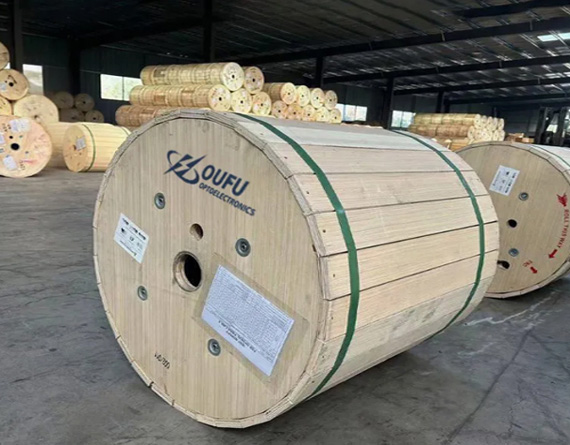
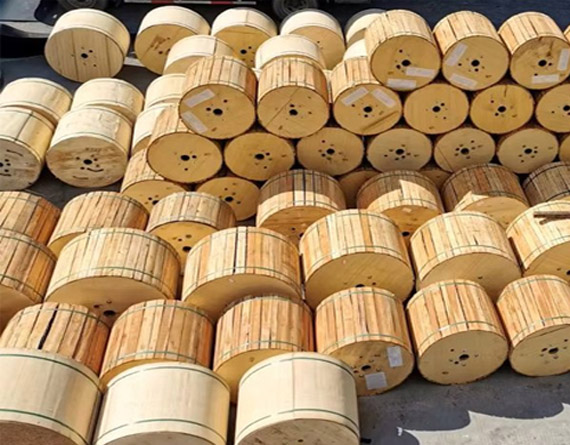
ASU Cable 6-12 Core Span 80M 100M
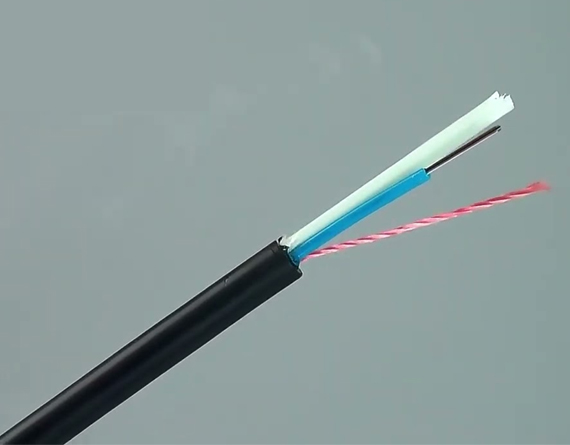
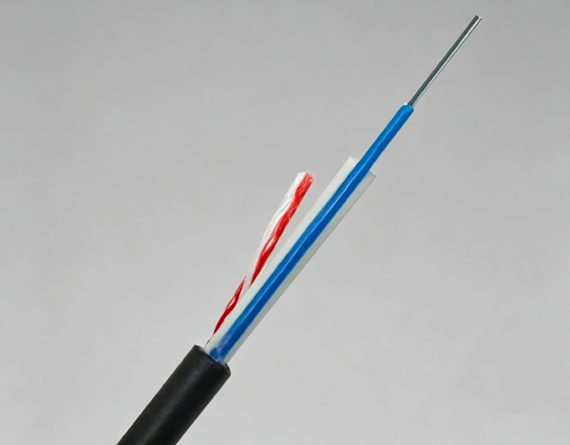
ASU Cable (All-Dielectric Self-Supporting Fiber Optic Cable) is an outdoor aerial fiber optic cable designed for short- and medium-span communication networks. It features a compact, lightweight, and all-dielectric structure, typically consisting of optical fibers placed in a loose tube, FRP strength members, water-blocking materials, and a durable PE outer sheath.
ASU fiber optic cable does not require a metallic messenger wire, making it easy to install on poles and suitable for areas with electromagnetic interference. Its self-supporting design provides good tensile strength while keeping the cable lightweight and flexible.
ADSS Cable Specifications
| Item | Specification |
|---|---|
| Cable Type | ASU Cable |
| Fiber Count | 6–12 Cores |
| Span | 80M / 100M |
| Fiber Type | G.652D / G.657A1 / G.657A2 |
| Structure | Central Loose Tube |
| Strength Member | FRP |
| Outer Sheath | PE / HDPE |
| Installation | Aerial / Self-Supporting |
| Application | FTTH, FTTx, Access Network, Rural Broadband |
| Typical Span | 80M / 100M |
| Protection | UV-resistant, moisture-resistant |
Key Features
- All-Dielectric Structure: Non-metallic construction provides excellent electrical insulation and EMI resistance.
- Self-Supporting Design: No additional messenger wire is required for aerial installation.
- Lightweight & Compact: Easy to transport, handle, and install.
- High Tensile Strength: FRP strength members provide reliable mechanical protection.
- Water Resistant: Loose tube and water-blocking materials help prevent moisture penetration.
- UV & Weather Resistant: PE outer sheath provides good resistance to sunlight, rain, and outdoor temperature changes.
- Low Installation Cost: Simple aerial installation reduces the need for additional supporting components.
- Flexible Fiber Capacity: Available in different fiber counts according to network requirements.
- Suitable for Different Spans: Common options include 80 m and 100 m spans, with other span designs available according to project requirements.
Applications
ASU Cable is widely used for:
- Aerial fiber optic communication networks
- FTTH and FTTx networks
- Rural broadband networks
- Telecom access networks
- Metropolitan area networks
- Campus and industrial communication networks
- Pole-to-pole fiber connections
In short, ASU Cable is an economical and reliable aerial fiber optic solution that combines self-supporting installation, lightweight construction, high mechanical strength, and excellent outdoor environmental resistance.
Main Advantages of ASU Cable
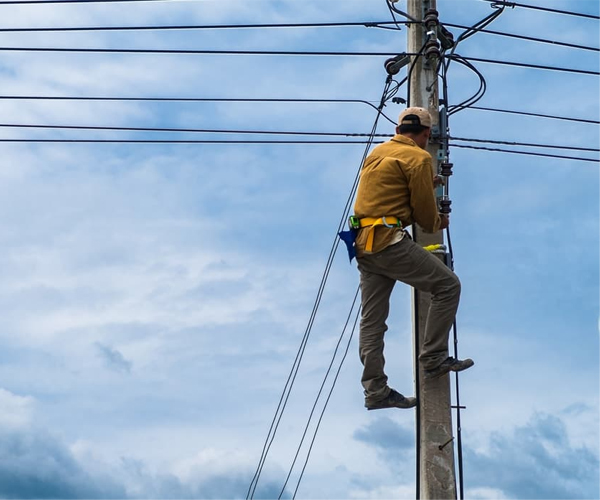
80M–100M Self-Supporting Span
Designed for aerial deployment with an 80M or 100M typical span, reducing the need for additional messenger wires.
6–12 Core Capacity
Suitable for low- to medium-density access networks, FTTH backbone connections and rural broadband projects.
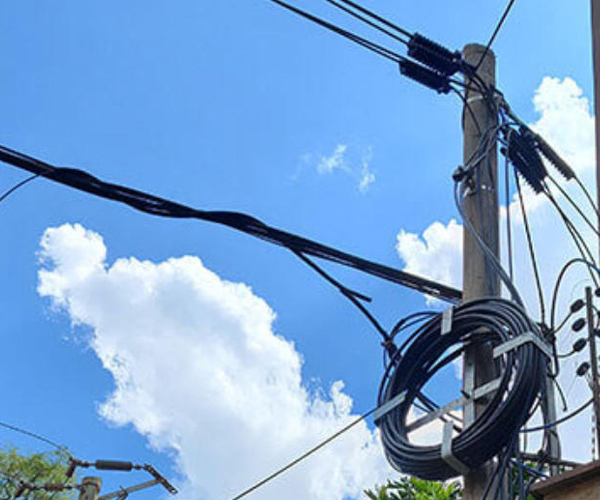
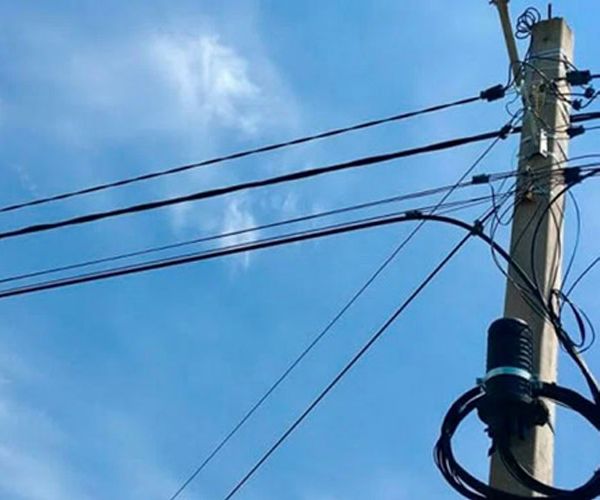
Lightweight Design
The compact ASU structure reduces cable weight and installation load compared with many conventional aerial cables.
FRP Strength Member
The non-metallic FRP strength member provides good tensile performance while offering excellent resistance to electrical interference.
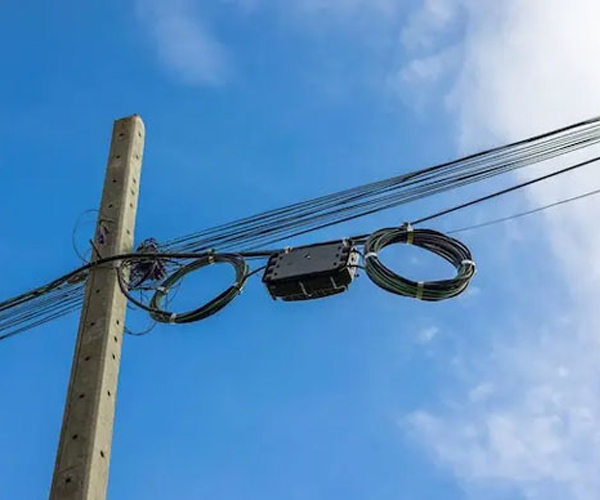
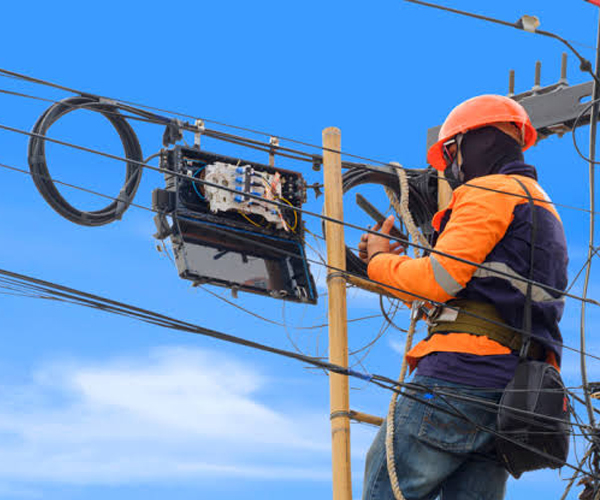
Cost-Effective Aerial Deployment
ASU cable can provide a practical balance between cable cost, installation efficiency and mechanical performance, making it suitable for large-scale network projects.
ASU stands for All-Dielectric Self-Supporting. The cable is designed to support its own weight when installed between poles or other aerial supports.
A typical ASU cable consists of optical fibers, a PBT loose tube, water-blocking material, FRP strength members, and a PE/HDPE outer sheath.
Yes. ASU is specifically designed for aerial applications and can be installed directly between poles using suitable cable fittings.
No. Its self-supporting design eliminates the need for an additional metallic messenger wire, helping simplify installation and reduce material costs.
The main advantages include lightweight construction, self-supporting installation, all-dielectric design, good tensile strength, waterproof performance, UV resistance, and easy installation.
ASU cables are commonly available in different fiber counts, such as 1, 2, 4, 6, 8, 12, and 24 fibers. Custom fiber counts can also be produced according to project requirements.
Common ASU cable designs are available for approximately 80 m and 100 m spans. The appropriate cable should be selected according to span length, wind load, ice load, sag, and installation conditions.
ASU cable can use standard single-mode optical fibers such as G.652D, G.657A1, or G.657A2, depending on the application and customer requirements.
Yes. The loose tube is normally filled or combined with water-blocking materials to help protect the optical fibers from moisture and water penetration.
Yes. A suitable PE or HDPE outer sheath provides good resistance to UV radiation and outdoor weather conditions, making ASU suitable for long-term aerial deployment.
Both are all-dielectric self-supporting aerial cables, but their structures and typical applications can differ. ASU is generally more compact and lightweight and is commonly used for shorter spans, while ADSS is available in a wider range of designs for longer spans and more demanding aerial environments.
Yes. Because ASU is an all-dielectric cable with no metallic components, it has good electrical insulation and electromagnetic interference resistance. However, installation must still follow the required electrical safety clearances and local regulations.