China has become an important global manufacturing and supply base for fiber optic cables, providing products for telecommunications networks, broadband infrastructure, data centers, industrial communication systems, and power transmission projects. With a wide range of manufacturers, competitive production costs, and increasingly sophisticated manufacturing technologies, Chinese fiber optic cable factories attract buyers from North America, Europe, Southeast Asia, the Middle East, Africa, and other international markets.
So, how can you evaluate China fiber optic cable manufacturers and identify a reliable long-term partner?
1. Why Choose China Fiber Optic Cable Manufacturers?
Chinese fiber optic cable manufacturers serve different market segments, from standard FTTH drop cables to high-performance outdoor, aerial, underground, and specialty cables.
There are several reasons why international buyers consider China as a sourcing destination.
1.1 Competitive Manufacturing Costs
China has an established industrial supply chain for optical fibers, cable materials, steel components, FRP strength members, aramid yarn, PE jackets, and other cable accessories.
The availability of supporting materials and manufacturing resources helps factories control production costs and offer competitive prices.
For distributors and engineering contractors, this can improve purchasing efficiency and project profitability.
1.2 Wide Product Range
Professional Chinese oufu manufacturers can supply different fiber optic cable constructions for various installation environments.
Common products include:
- FTTH Drop Cable: Used for fiber-to-the-home broadband connections.
- ADSS Fiber Optic Cable: Designed for aerial installation without metallic supporting components.
- OPGW Cable: Combines optical communication fibers with overhead ground wire functions in power transmission systems.
- GYTA Fiber Optic Cable: Commonly used for outdoor duct and aerial applications.
- GYTS Fiber Optic Cable: Steel tape armored outdoor cable for mechanical protection.
- GYTA53 / GYTS53: Double-sheathed armored cables designed for demanding underground environments.
- GYXTW Fiber Optic Cable: Central loose tube cable with steel tape armor.
- ASU Fiber Optic Cable: A compact all-dielectric self-supporting cable used in aerial communication networks.
- Direct Burial Fiber Optic Cable: Designed for underground installation.
- Underwater Fiber Optic Cable: Used in underwater communication infrastructure.
A supplier with a broad product portfolio can simplify sourcing and provide more consistent product specifications across different projects.
1.3 Flexible Customization
Different countries and projects have different technical requirements.
Experienced manufacturers may provide customized solutions for:
- Fiber types: G.652.D, G.657.A1, G.657.A2, OM3, OM4, and other specified fiber grades.
- Fiber counts: 2, 4, 6, 12, 24, 48, 96, 144, 288 cores, or other configurations.
- Cable structures and dimensions.
- Outer sheath materials such as PE, PVC, LSZH, and AT.
- Steel tape, steel wire, FRP, and aramid reinforcement.
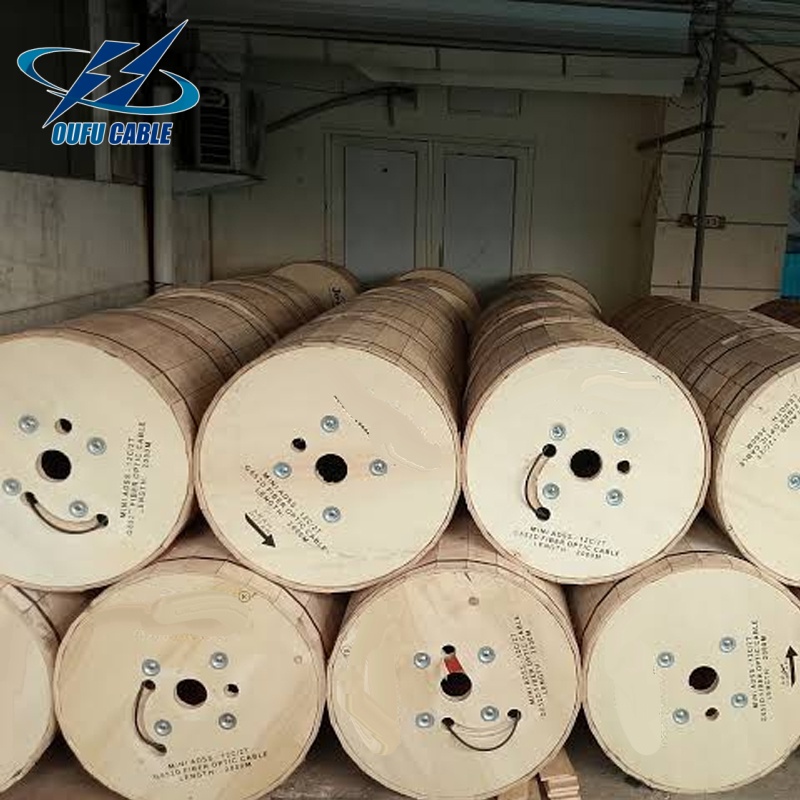
- Cable printing, reel dimensions, packaging, and labeling.
Customization helps you match cable performance to installation conditions and local project specifications.
2. How to Evaluate the Manufacturing Capability of a Fiber Optic Cable Factory
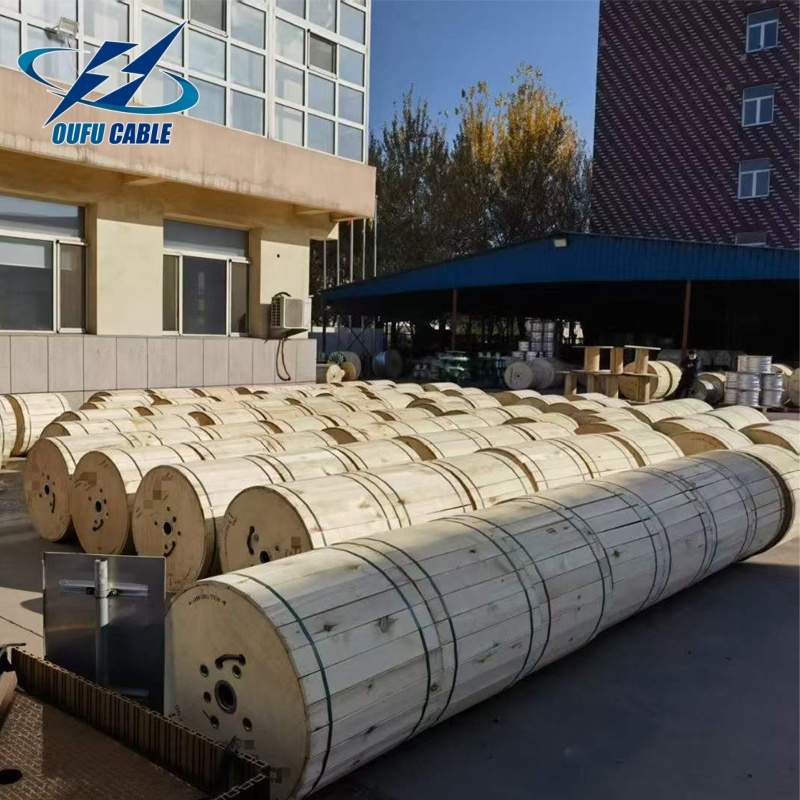
One of the most important steps in supplier selection is determining whether the company is an actual manufacturer or primarily a trading company.
A reliable manufacturer should be able to demonstrate its production facilities, equipment, technical personnel, quality management procedures, and manufacturing experience.
2.1 Check Factory Ownership and Production Facilities
You should request clear information about the factory, including:
- Factory address and business registration.
- Production workshop and manufacturing equipment.
- Employee and technical team structure.
- Production lines and manufacturing processes.
- Warehouse and finished-product storage facilities.
- Annual production capacity, supported by verifiable records.
A factory video, live video inspection, or on-site audit can help you understand the actual production environment.
Do not evaluate a manufacturer only by the number of machines or the size of its workshop. More importantly, check whether the equipment is suitable for the cable types you intend to purchase.
2.2 Evaluate Production Processes
Fiber optic cable manufacturing involves several processes, and each stage can influence final product performance.
A typical production workflow includes:
- Optical fiber inspection and preparation.
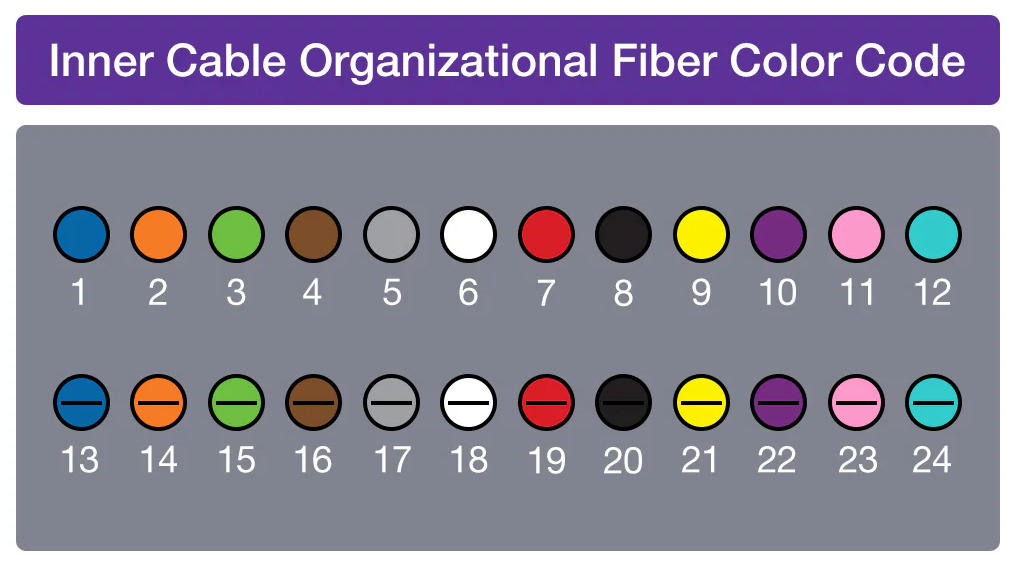
- Fiber coloring and identification.
- Loose tube production or tight buffering.
- Strength member installation.
- Cable stranding and core assembly.
- Water-blocking material application.
- Armor installation when required.
- Outer sheath extrusion.
- Finished cable inspection and testing.
- Cable winding, labeling, and packaging.
For example, in outdoor loose tube cable production, proper control of excess fiber length inside the loose tube is important for protecting optical fibers against temperature changes and mechanical stress.
In ADSS manufacturing, the selection and arrangement of aramid yarn are important for achieving the required tensile performance.
A capable manufacturer should understand these technical requirements and explain how each production stage is controlled.
3. Evaluate Raw Material Quality
Raw materials directly influence fiber optic cable reliability, durability, and service life.
Even if two suppliers offer cables with similar external appearances, differences in materials can lead to significantly different performance.
3.1 Optical Fiber Quality
Optical fiber is the most important functional component of a fiber optic cable.
When evaluating a manufacturer, ask about:
- Optical fiber manufacturer and origin.
- Fiber type and technical specification.
- Attenuation performance.
- Mode field diameter where applicable.
- Operating wavelength.
- Bend performance.
- Batch traceability.
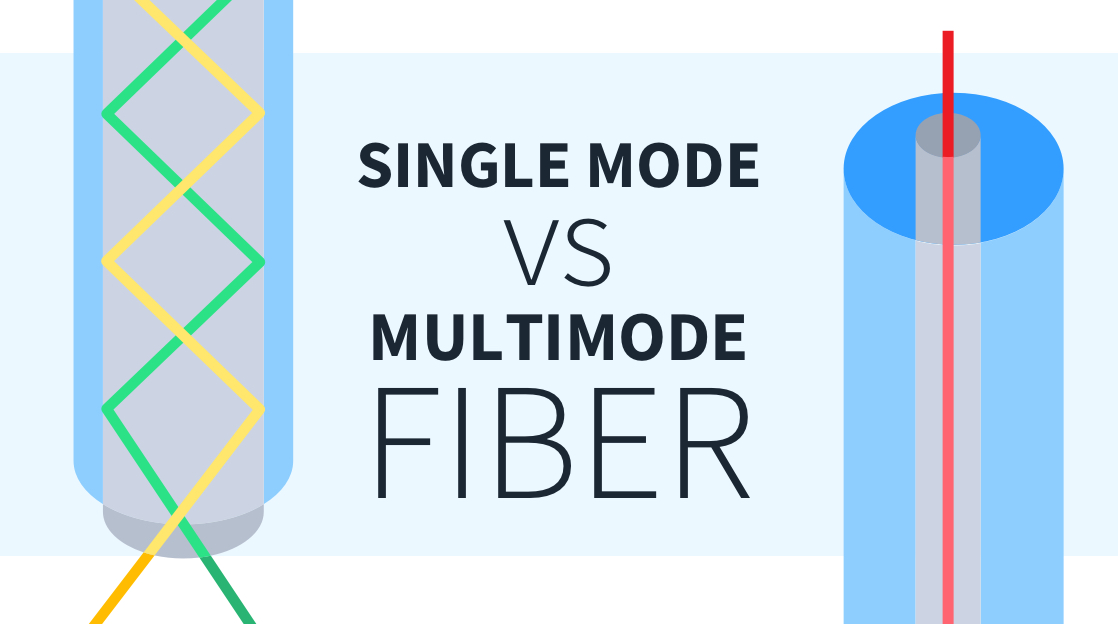
Single-mode G.652.D fiber is widely used in telecommunications networks, while G.657.A1 and G.657.A2 fibers are particularly useful in applications requiring improved bending performance.
For multimode applications, you may specify OM3, OM4, or OM5 according to network requirements.
3.2 Jacket Material Quality
The outer sheath protects optical fibers against moisture, UV exposure, abrasion, and environmental damage.
Common materials include:
| Material | Main Characteristics | Typical Applications |
|---|---|---|
| PE | Good moisture resistance and outdoor weatherability | Outdoor fiber optic cables |
| PVC | Flexible and cost-effective | Indoor cable applications |
| LSZH | Low smoke and halogen-free formulation | Indoor public buildings and enclosed spaces |
| AT | Improved resistance to electrical tracking | Certain ADSS applications |
| TPU | Flexible and abrasion-resistant | Specialized industrial applications |
The correct material should be selected according to operating temperature, installation environment, fire safety requirements, and customer specifications.
3.3 Strength and Protective Materials
Different cable structures use different reinforcement and protection components.
Examples include:
- FRP rods for non-metallic reinforcement.
- Aramid yarn for tensile strength.
- Steel tape for mechanical protection.
- Steel wire for additional tensile and structural protection.
- Water-blocking yarn and tape for moisture protection.
A reliable supplier should be able to explain the material specifications and their functions within the cable structure.
4. Check Quality Control and Testing Capabilities
A professional fiber optic cable manufacturer should have a systematic quality control process rather than relying only on final visual inspection.
Quality control should cover incoming materials, production processes, and finished products.
4.1 Optical Performance Testing
Optical performance is essential for communication reliability.
Common testing methods include:
- Optical attenuation testing.
- OTDR testing.
- Fiber continuity testing.
- Optical transmission performance verification.
Attenuation measurements are commonly specified at wavelengths such as 1310 nm and 1550 nm for single-mode fiber, depending on the product specification.
OTDR testing helps identify events such as breaks, abnormal losses, and discontinuities along the cable.
4.2 Mechanical Performance Testing
Fiber optic cables must withstand installation forces and operating conditions.
Important mechanical tests include:
- Tensile strength testing.
- Crush resistance testing.
- Impact resistance testing.
- Repeated bending testing.
- Torsion testing.
- Cable flexibility testing.
For example, ADSS cables require particular attention to tensile performance because they are installed on overhead poles and towers.
Direct burial cables require appropriate mechanical protection against external pressure and potential damage during underground installation.
4.3 Environmental Performance Testing
Outdoor cables are exposed to changing environmental conditions.
Relevant tests may include:
- Temperature cycling.
- Water penetration.
- UV resistance where applicable.
- Low-temperature performance.
- High-temperature performance.
- Aging and material compatibility tests.
The applicable tests and acceptance criteria should be agreed upon according to the cable design and installation environment.
4.4 Request Actual Test Reports
Do not rely exclusively on statements such as “100% quality inspection” or “international standard quality.”
Ask suppliers to provide:
- Factory inspection reports.
- Optical performance test reports.
- Mechanical test records.
- Environmental test reports where applicable.
- Raw material inspection records.
- Third-party testing certificates when required.
The most useful reports are those linked to the actual production batch or cable reel being purchased.
5. Verify International Standards and Certifications
International standards provide a common technical reference for manufacturers and you.
However, different cable types and applications may require different standards. A certificate alone does not prove that every product supplied by a factory meets every international requirement.
5.1 IEC Standards
The IEC 60794 series is an important reference for optical fiber cable construction and testing.
It covers general specifications and various test methods for mechanical and environmental performance.
Buyers should identify the relevant parts of the IEC 60794 series according to the intended cable application.
5.2 ITU-T Recommendations
ITU-T recommendations provide technical specifications for optical fibers and communication cable applications.
Examples include:
- ITU-T G.652: Characteristics of single-mode optical fiber and cable.
- ITU-T G.657: Characteristics of bending-loss-insensitive single-mode optical fiber and cable.
- ITU-T L.100: Optical fiber cables for duct and tunnel applications.
- ITU-T L.102: Optical fiber cables for aerial applications.
- ITU-T L.103: Optical fiber cables for indoor applications.
5.3 ISO 9001 Quality Management System
ISO 9001 certification indicates that a company operates a quality management system based on defined processes and continuous improvement.
It is a useful supplier screening criterion, but you should also examine actual inspection records, production controls, and corrective action procedures.
5.4 Other Market-Specific Requirements
Depending on the destination market and application, additional requirements may include:
- RoHS compliance.
- REACH requirements where applicable.
- CE marking and relevant EU product legislation.
- CPR classification for applicable construction products in Europe.
- UL requirements for products and installations that require UL certification.
Always verify whether the certificate or declaration applies to the exact product, material, and market.
6. Compare Product Range and Custom OEM Capabilities
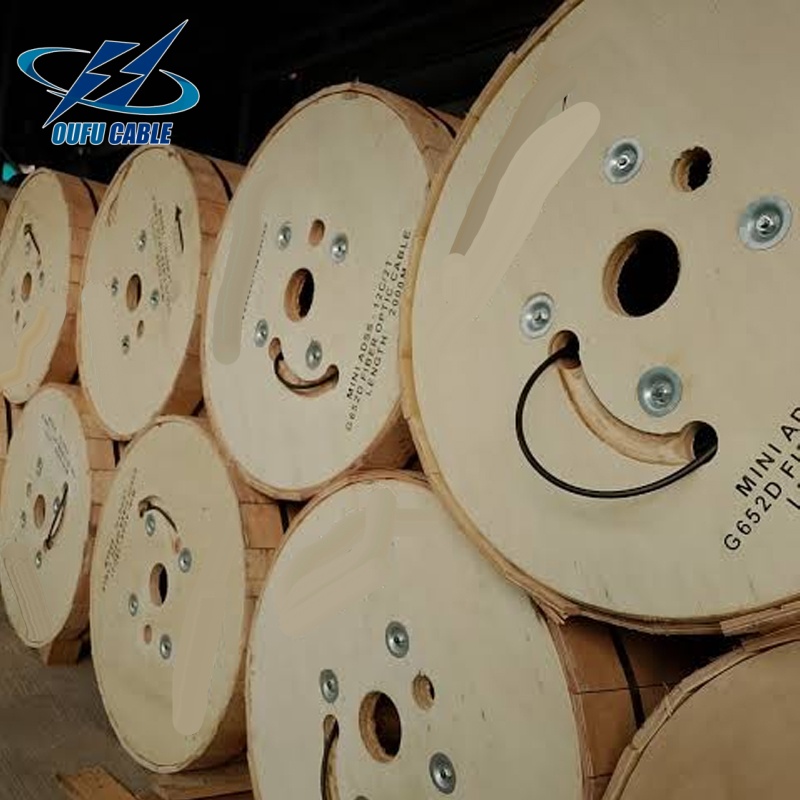
A reliable fiber optic cable manufacturer should provide more than standard products.
For international buyers, customization and technical support are important indicators of supplier capability.
Consider the following questions:
- Can the manufacturer produce different fiber counts?
- Can it customize cable structures?
- Can it provide different sheath materials?
- Can it manufacture cables according to customer drawings?
- Can it customize cable printing and packaging?
- Can it provide technical datasheets and product drawings?
- Can it support OEM and private-label orders?
For example, a telecommunications contractor may require a 96-core ADSS cable with a specified span length, tensile load, and sheath material.
A qualified manufacturer should review the project parameters before recommending a suitable design instead of simply quoting a standard product.
7. Evaluate Production Capacity and Delivery Reliability
Production capacity is particularly important for large infrastructure projects and long-term distribution agreements.
A supplier may offer an attractive quotation but fail to deliver on schedule if its production resources are insufficient.
Before placing an order, evaluate:
- Available production lines.
- Monthly and annual output.
- Raw material inventory.
- Production scheduling.
- Standard and customized lead times.
- Quality inspection time.
- Packaging and shipping arrangements.
Ask the supplier to confirm the delivery schedule in writing.
For large orders, consider staged production and shipment arrangements to reduce supply chain risks.
A professional manufacturer should also provide clear communication if material shortages, production changes, or unexpected delays occur.
8. Compare Prices Without Sacrificing Quality
Price is an important factor, but the cheapest quotation is not necessarily the most economical option.
Different manufacturers may quote different prices for products that appear identical but use different raw materials, fiber brands, sheath thicknesses, reinforcement structures, or testing procedures.
To make a fair comparison, request quotations based on the same technical specification.
Important quotation details include:
| Evaluation Item | What You Should Check |
|---|---|
| Optical fiber | Fiber type, brand, and performance |
| Fiber count | Number of cores |
| Cable structure | Loose tube, ribbon, armored, or other construction |
| Strength member | FRP, steel wire, or aramid yarn |
| Outer sheath | Material and thickness |
| Mechanical performance | Tensile and crush requirements |
| Optical performance | Attenuation and other specified parameters |
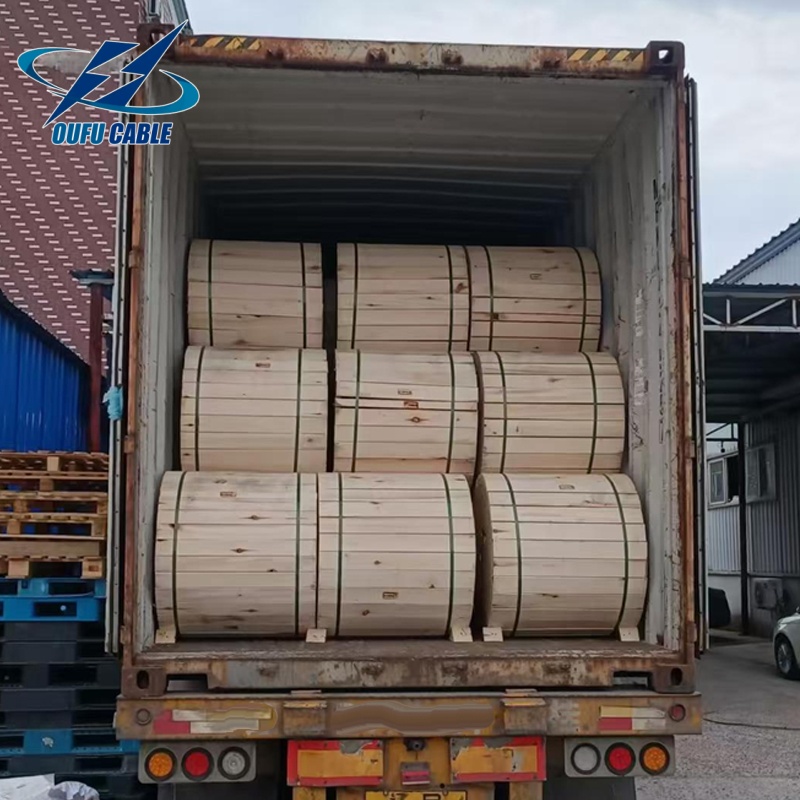
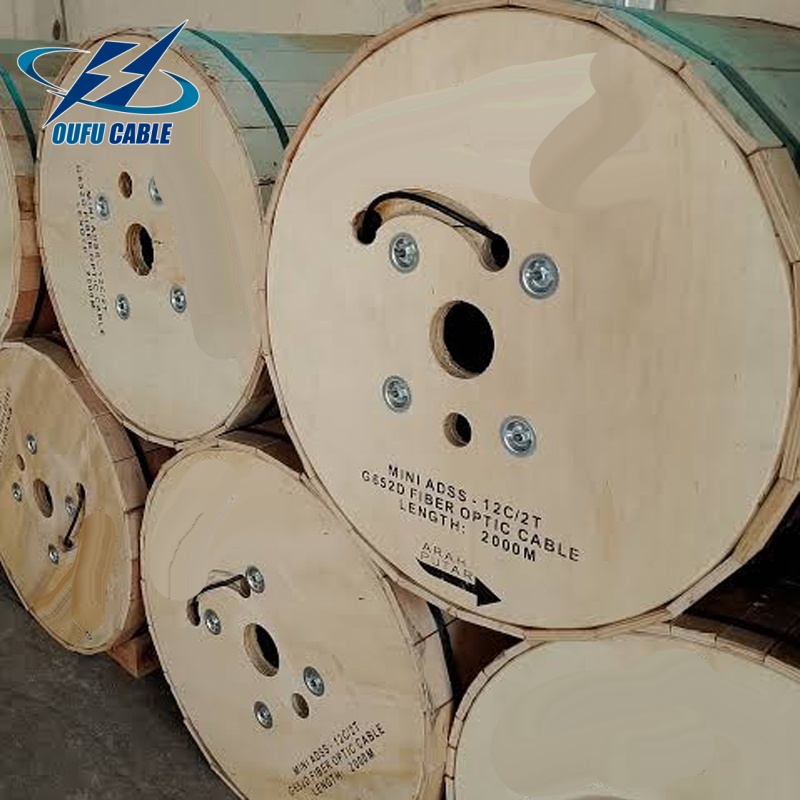
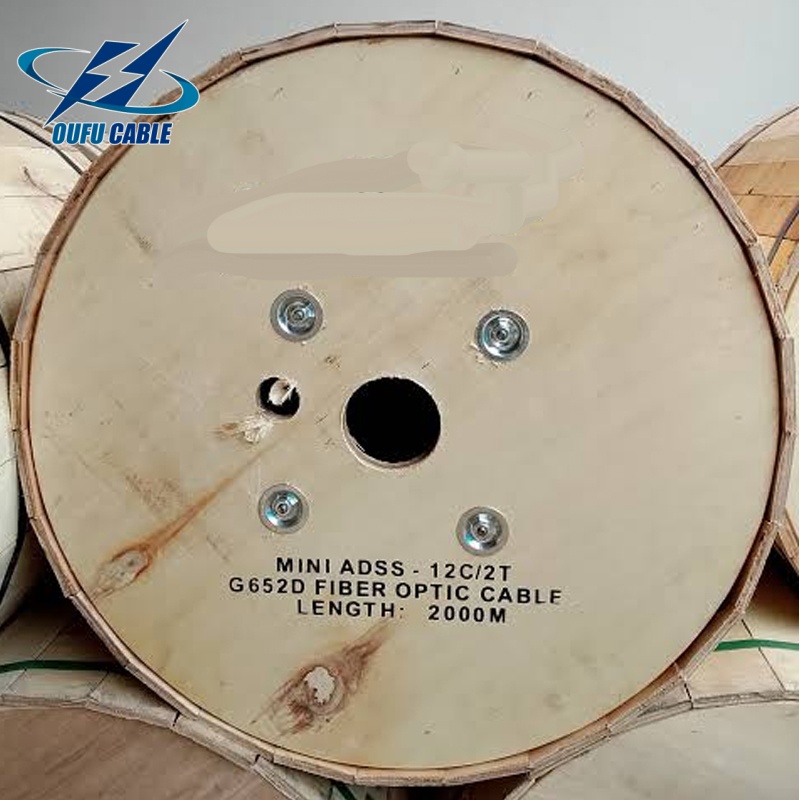
| Packaging | Wooden or steel drums and reel length |
| Delivery | Production lead time and shipping terms |
A transparent quotation helps buyers understand the actual value of the product.
9. Check Export Experience and Customer Service
Export experience is another important factor when selecting a Chinese fiber optic cable manufacturer.
International orders involve more than manufacturing. They also require professional communication, documentation, packaging, and logistics coordination.
A qualified export supplier should be familiar with:
- Commercial invoices and packing lists.
- Certificate of origin when required.
- Product specifications and technical datasheets.
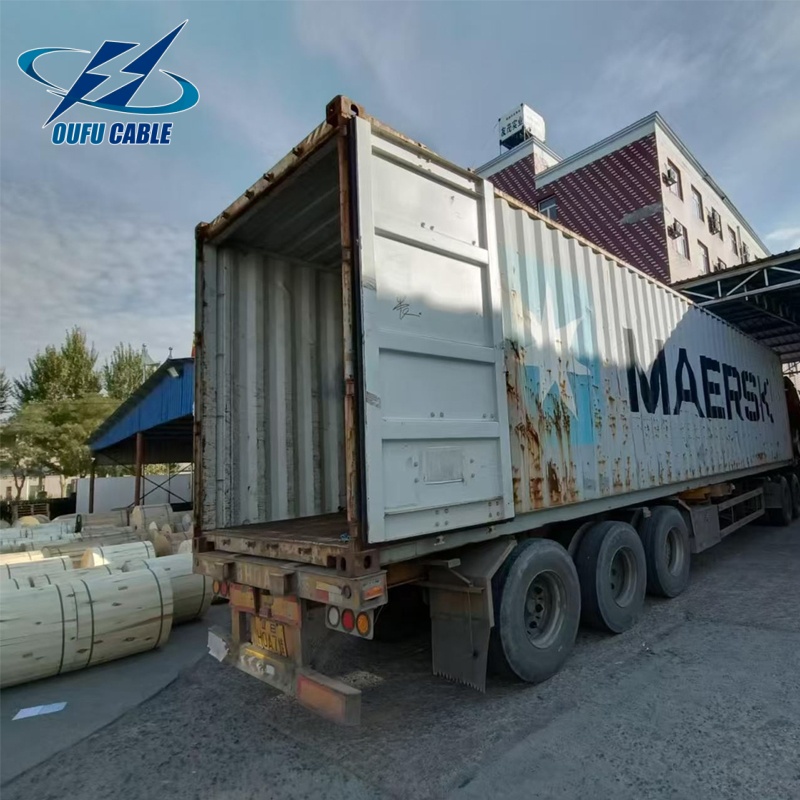
- Export packaging requirements.
- International shipping arrangements.
- Customer inspection procedures.
- After-sales technical support.
Communication is equally important.
A professional supplier should respond clearly to technical questions, provide accurate production updates, and offer solutions when product or delivery issues occur.
10. A Practical Checklist for Selecting a Reliable China Fiber Optic Cable Manufacturer
Before choosing a supplier, you can use the following checklist:
| Evaluation Criteria | Key Questions |
|---|---|
| Factory qualification | Is it an actual manufacturer? |
| Production capability | Does it have suitable production lines? |
| Raw materials | Are fiber and cable materials traceable? |
| Quality control | Are incoming, in-process, and final inspections performed? |
| Testing equipment | Can it conduct optical, mechanical, and environmental tests? |
| Certifications | Are relevant certificates valid and applicable? |
| Product range | Can it supply the required cable types? |
| Customization | Can it manufacture according to project specifications? |
| Delivery | Can it meet the required production schedule? |
| Export experience | Can it handle international orders and documentation? |
| After-sales service | Does it provide technical support and problem resolution? |
The best supplier is not necessarily the largest factory or the company offering the lowest price. It is the manufacturer that can consistently meet your technical requirements, maintain stable quality, and support your business over the long term.
11. Why Work with a Professional Fiber Optic Cable Manufacturer?
Working directly with an experienced factory can offer several advantages.
First, you can communicate directly with the production and technical teams, reducing misunderstandings about product specifications.
Second, direct manufacturing cooperation can improve cost transparency and provide more flexible customization.
Third, manufacturers with established quality management procedures can provide inspection records and production traceability.
Finally, long-term cooperation can help distributors and contractors establish a stable supply chain for future projects.
When selecting a manufacturing partner, always evaluate real production capability, technical expertise, quality documentation, and customer service rather than relying solely on marketing claims.
Frequently Asked Questions (FAQ)
Q1: How do I find reliable fiber optic cable manufacturers in China?
Start by searching for manufacturers with relevant product experience, verifiable factory facilities, quality management systems, and export experience. Request technical datasheets, product samples, factory test reports, and production videos. For large orders, consider an independent factory audit.
Q2: What certifications should a Chinese fiber optic cable manufacturer have?
ISO 9001 is a useful quality management reference. Product-specific requirements may include IEC 60794, relevant ITU-T recommendations, RoHS, and destination-market requirements. Always verify the certificate scope and product applicability.
Q3: How can I distinguish a manufacturer from a trading company?
Ask for the factory address, production workshop videos, equipment details, manufacturing process descriptions, and evidence of actual production. A genuine manufacturer should be able to explain its production and quality control procedures in detail.
Q4: Can Chinese manufacturers produce customized fiber optic cables?
Yes. Many manufacturers offer customized fiber counts, cable structures, sheath materials, strength members, cable printing, reel lengths, and packaging. Customization should be confirmed through technical drawings and an approved specification before production.
Q5: What is the most important factor when buying fiber optic cables?
There is no single factor. You should evaluate optical performance, mechanical strength, environmental suitability, raw material quality, manufacturing consistency, and compliance with project specifications.
Q6: How can I check fiber optic cable quality before bulk purchasing?
Request samples and batch-specific factory inspection reports. Where necessary, conduct independent optical, mechanical, and environmental testing. Compare the tested samples against the approved technical specification before authorizing mass production.
Conclusion: Choose the Right China Fiber Optic Cable Manufacturer
Choosing a reliable China fiber optic cable manufacturer requires a comprehensive evaluation of production capability, raw material quality, manufacturing processes, testing equipment, international standards, customization services, and export experience.
For you, a dependable manufacturer should provide not only competitive prices but also consistent product quality, technical support, transparent communication, and reliable delivery.
Whether you are sourcing FTTH drop cables, ADSS cables, OPGW cables, GYTA cables, GYTS cables, ASU cables, or customized outdoor fiber optic cables, taking the time to evaluate your supplier can significantly reduce purchasing risks and improve project performance.
Looking for a reliable fiber optic cable manufacturing partner in China?
Oufu Fiber provides fiber optic cable solutions for telecommunications networks, broadband infrastructure, and outdoor communication projects.
Contact our team to discuss your requirements, request product specifications, and receive a customized quotation.
Website: https://oufu-fiber.com/
Send us your inquiry today and let us support your next fiber optic cable project.