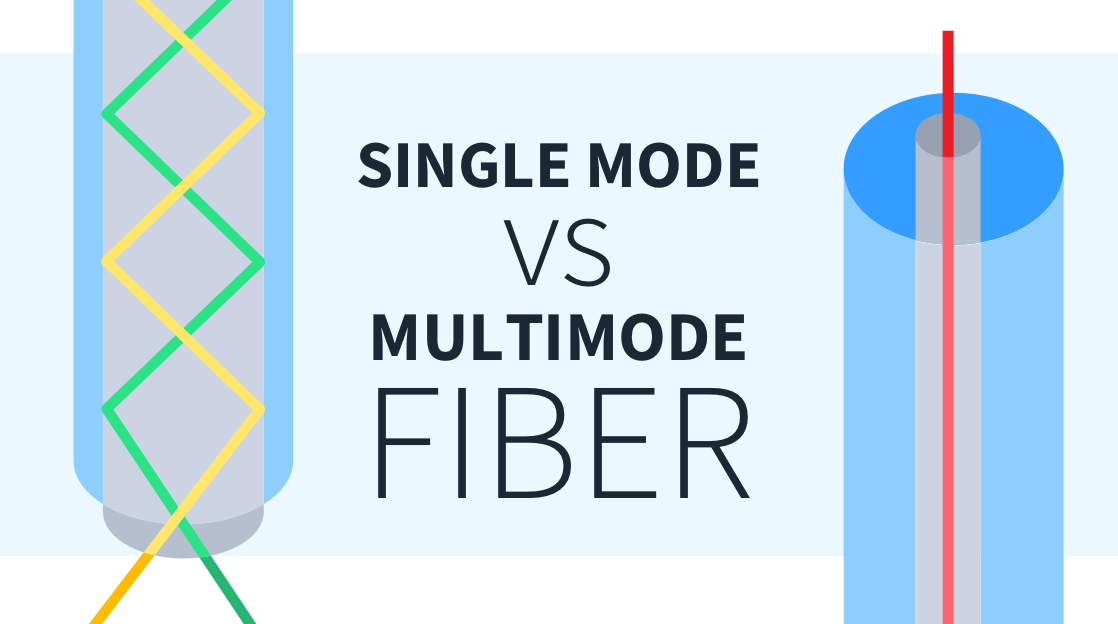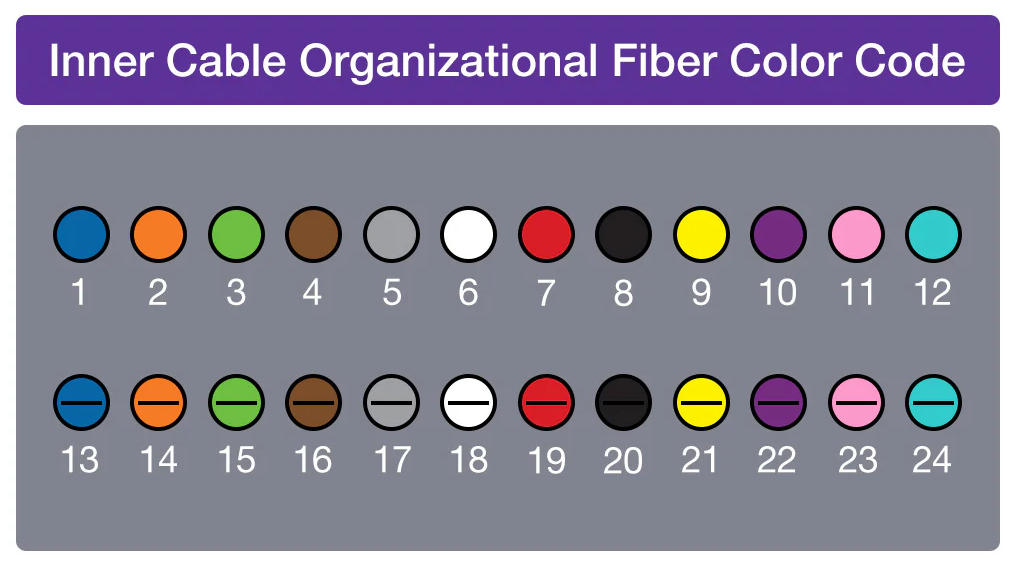
In 2026, the global price of G657A2 bend-insensitive fiber has risen sharply and continuously — in some regions by more than 300%–500% compared with 2023–2024 levels. This sudden price surge has affected operators, cable manufacturers, distributors, and FTTH contractors worldwide.
So why did G657A2 fiber become so expensive in 2026?
The answer is a combination of explosive demand, limited supply, and industry-wide structural changes.
1. Explosive Demand from AI Data Centers
The AI boom is the No. 1 driver of the 2026 optical fiber price surge.
Large-scale AI clusters (training GPT-level and multimodal models) require massive quantities of optical interconnects, especially:
- MPO/MTP high-density patch cords
- Bend-insensitive fiber for compact cable routing
- G657A2 / G657B3 fibers used in tight-bending environments
AI data centers consume several times more fiber per rack compared with traditional cloud facilities.
As hyperscalers (AWS, Google, Microsoft, Meta, OpenAI clusters, Asian cloud giants) expanded rapidly in 2025–2026, their demand directly squeezed the global supply chain.
Result:
More fiber goes to data centers → Less capacity for telecom and cable manufacturers → Price climbs rapidly.
2. FTTH Deployment Continues to Scale Worldwide
Even during the AI boom, global FTTH (Fiber-to-the-Home) deployment has not slowed down.
Countries in Asia, Middle East, Africa, and Europe are still expanding:
- Last-mile FTTH networks
- Inside-building micro-cables
- Drop cables and pigtails
- Distribution boxes with tight bends
G657A2 is the standard fiber type for modern FTTH because of its:
- 7.5–10 mm bending radius
- Low bending loss
- Compatibility with G652D
- Stability in small spaces
This keeps demand very high.
3. Preform Supply Bottleneck (Core Raw Material Shortage)
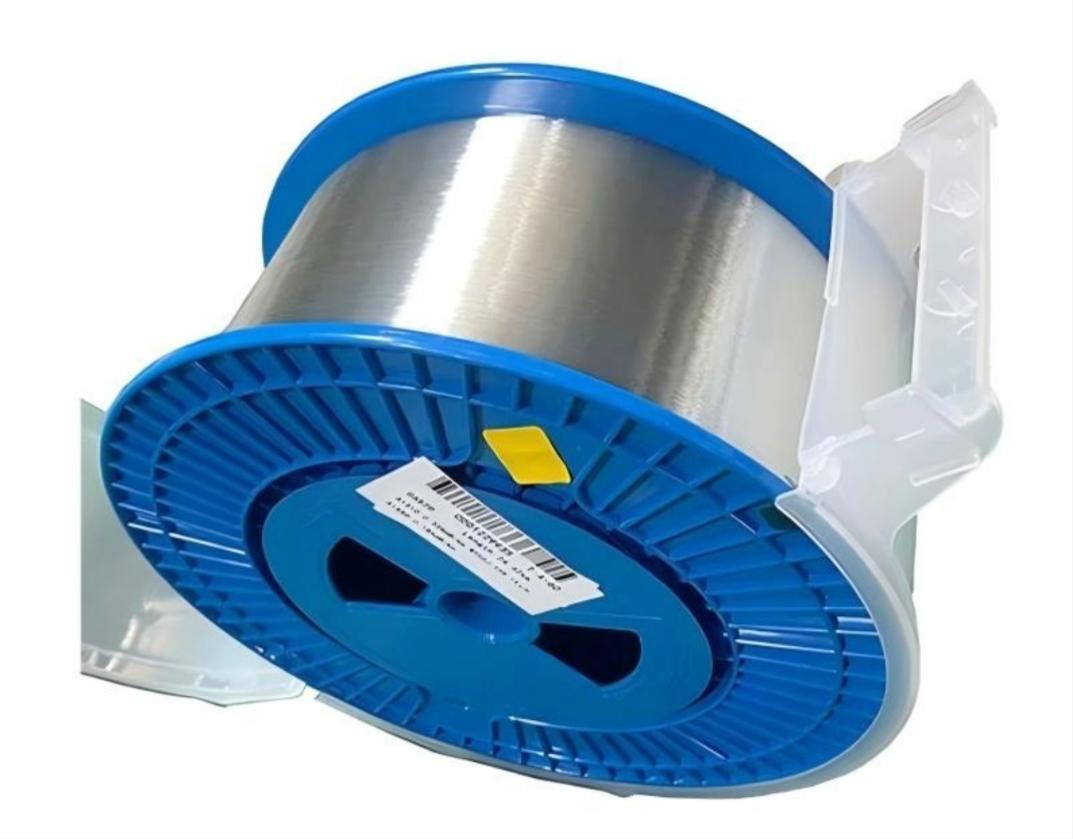
To make optical fiber, manufacturers need preforms — large glass rods produced through complex chemical vapor deposition processes.
Preform capacity is the true bottleneck in the industry.
Why preform is the key problem:
- Preform factories require huge investment
- Build cycle is 18–24 months
- Environmental & chemical standards are very strict
- Global supply is controlled by a few companies
- AI & FTTH boom happened too fast for supply to catch up
Even if fiber plants want to increase production, they simply cannot get enough preforms.
When preforms are scarce, G657A2 (which requires higher precision) becomes even more limited — causing faster price increases.
4. Higher Production Complexity for G657A2
G657A2 is more difficult to manufacture than standard G652D.
- Tighter geometric tolerances
- More precise refractive index profiling
- More complex bending-loss optimization
- Lower drawing efficiency per preform
Meaning:
1 preform = fewer kilometers of G657A2 fiber
vs.
1 preform = more kilometers of G652D fiber
This naturally raises cost per kilometer and makes G657A2 the first product to go up in price when supply is tight.
5. Global Optical Fiber Market Becomes a Seller’s Market
For the first time in years, the optical fiber industry in 2026 has shifted from:
Oversupply → Tight Supply → Shortage
Large manufacturers are prioritizing:
- High-margin orders
- Long-term contracts
- Hyperscaler data center clients
That leaves the open market (spot market) with:
- Limited availability
- Longer lead times
- Much higher prices
In some regions, the spot price of G657A2 is 2–5 times higher than the contract price.
6. Increasing Costs in Raw Materials, Energy, and Logistics
Since 2024, global production costs have increased:
- Ultra-pure quartz & germanium compounds
- Energy consumption for deposition & drawing
- Labor & compliance costs
- Transportation and container freight
- Specialty coating materials
- Chemical precursors for preform manufacturing
These cost increases pushed the baseline fiber price upward, and shortages amplified the effect.
7. Demand Shifts Toward Bend-Insensitive Fibers
The telecom world is moving away from G652D for many applications.
Most operators prefer G657A2 as the new default standard:
- Better bending performance
- Fewer installation failures
- More stable FTTH networks
- Excellent compatibility
- Better for dense routing in data centers
- Reduced signal loss in tight spaces
As a result, G657A2 demand grows faster than total fiber demand, making its price even more sensitive.
8. Limited Expansion Capacity Among Global Manufacturers
Even if demand is high, manufacturers cannot expand production overnight.
Reasons:
- Very long capital investment cycles
- Limited land and environmental approvals
- High-precision manufacturing equipment shortages
- Need for highly skilled technical labor
- Industry consolidation → fewer players
This ensures that supply cannot catch up quickly, so high prices continue.
Conclusion: Why G657A2 Fiber Price Increased in 2026
The 2026 price surge of G657A2 fiber is driven by structural and global factors, not temporary fluctuations.
Key reasons summarized:
| Main Factor | Impact |
|---|---|
| AI data center boom | Massive consumption of bend-insensitive fiber |
| Global FTTH expansion | High baseline demand worldwide |
| Preform supply shortage | Core bottleneck, limits global output |
| Higher manufacturing complexity | Lower yield → Higher cost/kilometer |
| Market becomes seller-dominated | Spot price rises sharply |
| Rising production & logistics costs | Pushes up overall price baseline |
| Shift toward G657A2 over G652D | Structural, long-term demand increase |
| Slow expansion of global capacity | Prices remain high through 2026–2027 |
2026–2027 Price Outlook
Most analysts predict:
- Prices will remain high through 2026
- Stabilization may begin in late 2027
- AI-driven demand will keep the market tight
- Preform expansion is the key to future price drops
G657A2 will stay expensive until new preform plants come online.
Top 5 Frequently Asked Questions (FAQ) About the G657A2 Fiber Price Increase
1. Why did G657A2 fiber become more expensive in 2026?
G657A2 prices increased due to a global shortage of preforms, explosive demand from AI data centers, and continuous FTTH network expansion. The industry is experiencing a supply-demand imbalance, pushing prices higher across all regions.
2. Why is G657A2 affected more than G652D?
G657A2 is harder to manufacture, has stricter performance requirements, and yields fewer kilometers per preform. When supply is tight, G657A2 experiences sharper and faster price increases than G652D.
3. How long will the high prices last?
Analysts expect prices to remain elevated throughout 2026. Significant relief is only likely once new preform production capacity becomes operational, which may take until late 2027 or beyond.
4. Is the G657A2 shortage global or regional?
The shortage is global. Suppliers in Asia, Europe, the Middle East, Africa, and South America all report reduced availability and longer lead times. Major manufacturers are prioritizing large long-term contracts, making the spot market even tighter.
5. Can G652D or other fiber types replace G657A2 to reduce costs?
Not exactly. While G652D is cheaper, it cannot match the bending performance of G657A2. For FTTH, indoor wiring, and high-density data center environments, switching to G652D may cause higher bending loss, installation failures, or long-term signal issues. Most operators still prefer G657A2 despite its higher price.