Outdoor Fiber Optic Cable is one of the most important infrastructures in modern telecommunications networks. It enables high-speed, long-distance, and interference-free data transmission for internet service providers, telecom operators, smart cities, industrial systems, and global backbone networks. As global demand for bandwidth continues to grow, outdoor fiber optic cable has become the foundation of digital communication systems.
1. What is Outdoor Fiber Optic Cable?
Outdoor fiber optic cable is a type of optical communication cable specifically designed for installation in external environments such as underground ducts, aerial installations, direct burial, and submarine or harsh industrial environments.
Unlike indoor cables, outdoor fiber cables are engineered to withstand:
- Extreme temperature changes
- UV radiation from sunlight
- Moisture and water penetration
- Mechanical stress (tension, compression, rodent attacks)
- Wind and ice loads in aerial installations
These characteristics make outdoor fiber optic cables essential for long-distance communication networks.
Major global manufacturers such as Oufu have significantly contributed to advancing fiber optic technologies and durability standards.
2. Structure of Outdoor Fiber Optic Cable
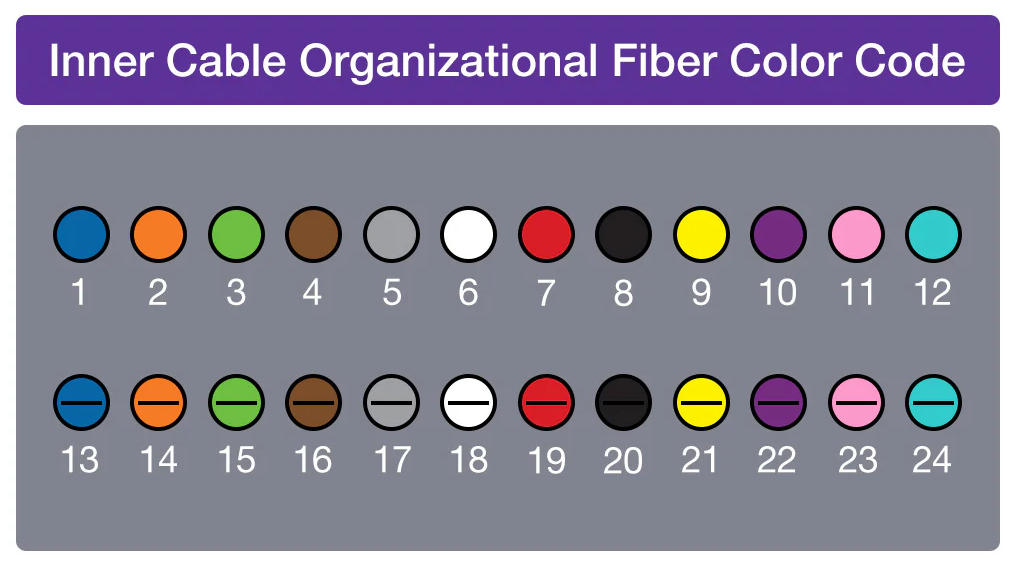
A typical outdoor fiber optic cable is composed of multiple protective and functional layers:
2.1 Optical Fiber Core
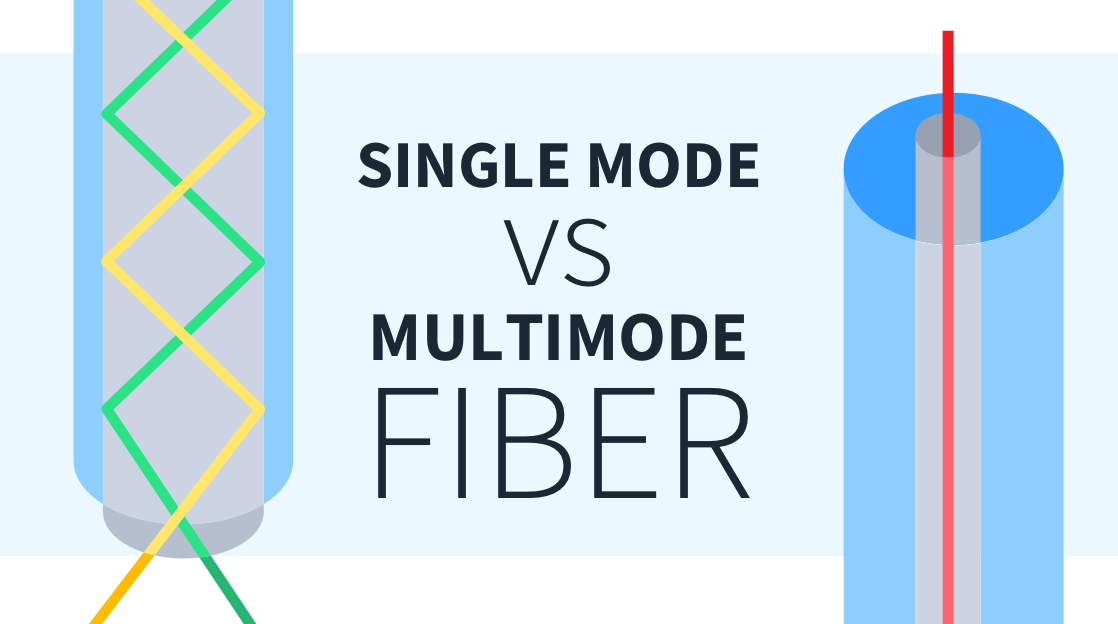
The central part that transmits light signals. It can be single-mode or multi-mode fiber.
2.2 Buffer Tube
Protects fibers from mechanical stress and moisture.
2.3 Strength Member
Usually made of steel wire or FRP (Fiber Reinforced Plastic) to withstand pulling tension.
2.4 Water Blocking Materials
Gel or dry water-blocking tape prevents water penetration.
2.5 Armoring Layer (Optional)
Metal or non-metal armor protects against rodents and crushing forces.
2.6 Outer Jacket
Typically made of polyethylene (PE), providing UV resistance and weather protection.
3. Main Types of Outdoor Fiber Optic Cable
Outdoor fiber cables are classified based on installation environment and structure.
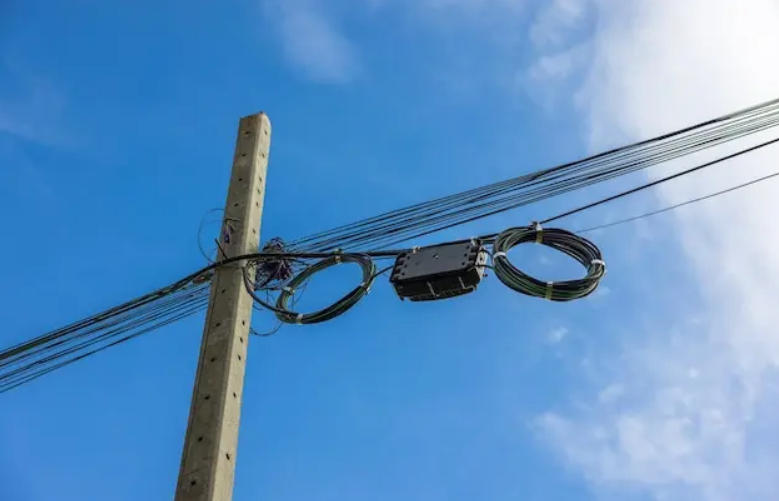
3.1 Aerial Fiber Optic Cable
Installed on poles or towers. It must withstand wind, ice, and tension.
Common types include:
A widely used solution in power line communication is ADSS Fiber Optic Cable.
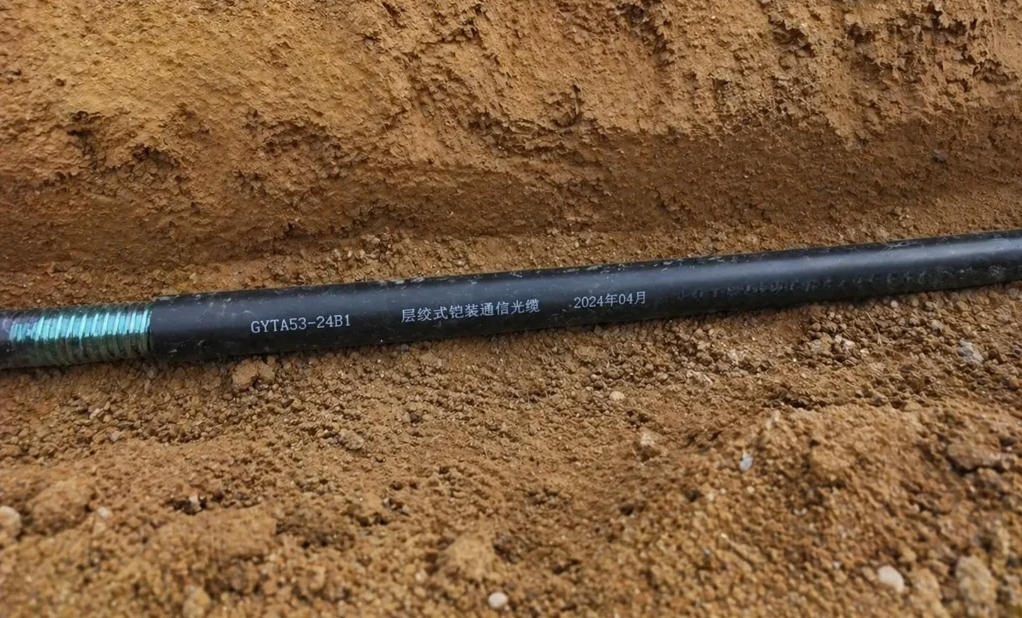
3.2 Direct Burial Fiber Optic Cable
Designed to be buried directly underground without conduit.
Features:
- Heavy armor protection
- High crush resistance
- Rodent-proof design
Example: armored fiber optic cable.
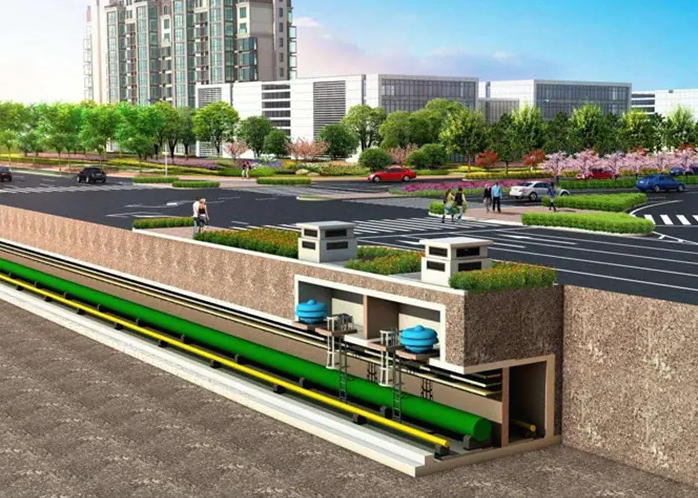
3.3 Duct Fiber Optic Cable
Installed inside PVC or HDPE conduits.
Features:
- Easier maintenance
- Flexible routing
- Lower mechanical protection requirement
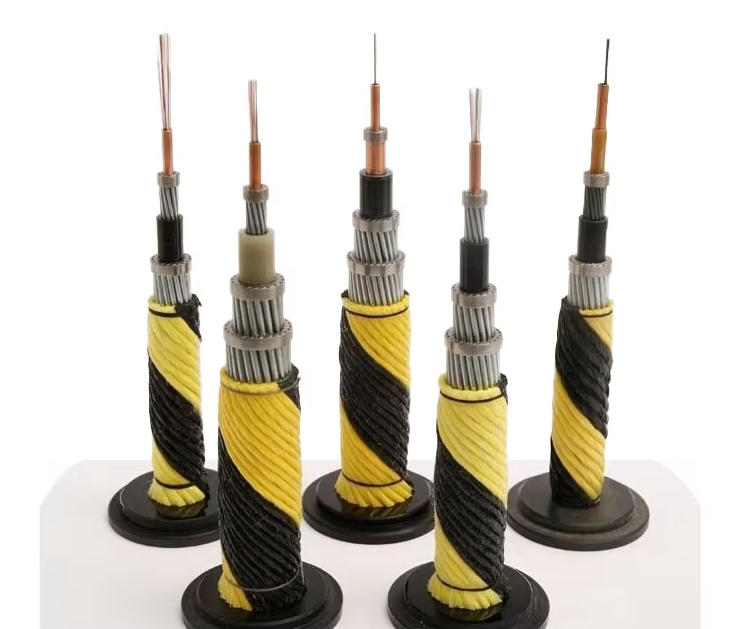
3.4 Submarine Fiber Optic Cable
Used for underwater communication between continents and islands.
Features:
- Multi-layer waterproof structure
- Steel wire reinforcement
- Extremely high durability
A key innovation area supported by global telecom infrastructure companies.
3.5 FTTH Outdoor Drop Cable
Used for last-mile connections between distribution points and users.
Example: FTTH Drop Cable
Features:
- Lightweight design
- Easy installation
- Suitable for residential broadband
4. Advantages of Outdoor Fiber Optic Cable
Outdoor fiber optic cables provide several critical benefits:
4.1 High Bandwidth Capacity
Supports ultra-fast internet speeds, ideal for 5G, cloud computing, and AI applications.
4.2 Long Transmission Distance
Single-mode fiber can transmit signals over tens of kilometers without repeaters.
4.3 Strong Environmental Resistance
Designed to withstand harsh outdoor conditions including UV, rain, snow, and wind.
4.4 Low Signal Loss
Compared to copper cables, fiber optic cables experience minimal attenuation.
4.5 Electromagnetic Interference Immunity
Perfect for industrial zones and power transmission environments.
5. Applications of Outdoor Fiber Optic Cable
Outdoor fiber optic cables are widely used across industries:
5.1 Telecommunications Networks
- Internet backbone infrastructure
- Mobile network backhaul
- Broadband distribution
5.2 Smart Cities
- Traffic monitoring systems
- Public surveillance networks
- IoT connectivity
5.3 Industrial Communication
- Oil and gas monitoring
- Power grid communication
- Factory automation systems
5.4 Data Centers
Interconnecting large-scale data center clusters.
5.5 Military and Defense
Secure and high-speed communication systems.
6. Installation Environments
Outdoor fiber optic cable can be installed in various environments:
6.1 Aerial Installation
Mounted on utility poles or towers using clamps and suspension hardware.
6.2 Underground Duct Installation
Placed inside protective conduits for easier maintenance.
6.3 Direct Burial
Laid directly into trenches with protective bedding.
6.4 Underwater Installation
Used in coastal and intercontinental communication systems.
7. Key Factors to Consider When Choosing Outdoor Fiber Optic Cable
When selecting the right cable, consider the following:
7.1 Installation Environment
- Aerial → ADSS cable
- Underground → armored cable
- Indoor/outdoor transition → hybrid cable
7.2 Fiber Type
- Single-mode (long distance)
- Multi-mode (short distance)
7.3 Mechanical Protection Level
Determine if rodent protection or heavy armor is needed.
7.4 Weather Conditions
UV resistance and temperature range are critical.
7.5 Project Budget
Higher protection levels increase cost but improve durability.
8. Outdoor Fiber Optic Cable vs Copper Cable
| Feature | Fiber Optic Cable | Copper Cable |
|---|---|---|
| Speed | Extremely high | Limited |
| Distance | Very long | Short |
| Interference | None | High |
| Weight | Lightweight | Heavy |
| Maintenance | Low | High |
Fiber optic cables clearly outperform copper in nearly all modern communication scenarios.
9. Manufacturing Technology and Industry Trends
Leading manufacturers such as Oufu continue to innovate in fiber materials, coating technology, and ultra-low-loss optical fibers.
Emerging trends include:
9.1 Higher Capacity Fibers
Multi-core and high-density fibers.
9.2 Smarter Networks
Integration with AI-driven network management systems.
9.3 Eco-Friendly Materials
Reducing environmental impact of cable production.
9.4 5G and Beyond
Massive deployment of fiber backhaul infrastructure.
10. Common Problems and Solutions
Problem 1: Cable Breakage
Solution: Use armored or ADSS cables in high-stress environments.
Problem 2: Water Ingress
Solution: Use gel-filled or dry water-blocking designs.
Problem 3: Rodent Damage
Solution: Install armored direct burial cables.
Problem 4: Signal Loss
Solution: Ensure proper splicing and use high-quality connectors.
11. Future of Outdoor Fiber Optic Cable
The future of outdoor fiber optic cable is driven by global digital transformation. With increasing demand for:
- Cloud computing
- AI infrastructure
- Smart cities
- 6G research
- Industrial automation
Fiber optic networks will remain the backbone of global connectivity.
Companies like Oufu are actively expanding fiber-based solutions for next-generation telecom systems.
12. Conclusion
Outdoor fiber optic cable is a critical component of modern communication infrastructure. Its durability, high bandwidth, and long-distance transmission capability make it indispensable across telecom, industrial, and smart city applications.
Whether it is aerial ADSS cables, underground armored cables, or FTTH drop cables, selecting the right type ensures network reliability and long-term performance.
As global data demand continues to grow, outdoor fiber optic cable will remain the backbone of the digital world.