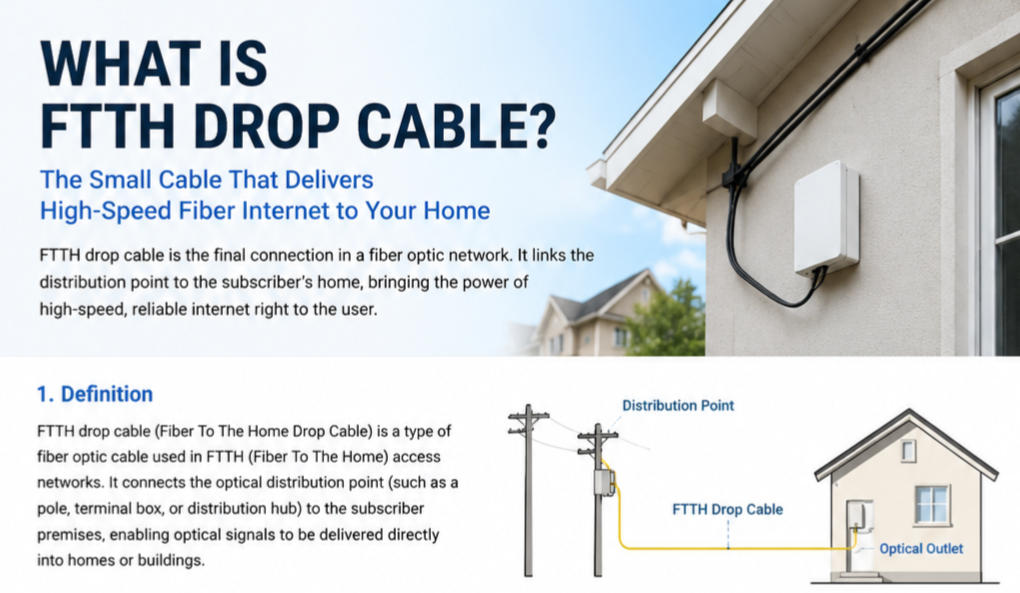
FTTH drop cable is a specialized fiber optic cable designed to connect the main optical distribution network directly to residential homes, apartments, offices, or end-user premises in Fiber-to-the-Home networks.
The term “drop” refers to the final connection segment between the distribution point and the subscriber location. These cables are lightweight, flexible, durable, and optimized for both indoor and outdoor installations.
Unlike backbone or trunk fiber optic cables, FTTH drop cables are specifically engineered for short-distance access networks where easy installation, bending flexibility, and cost efficiency are essential.
In simple terms, FTTH drop cables deliver ultra-fast fiber internet directly from service providers to users.
Why FTTH Networks Are Growing Worldwide
The rapid expansion of FTTH infrastructure is driven by increasing internet bandwidth requirements. Applications such as:
- 4K and 8K video streaming
- Cloud computing
- Smart homes
- Remote work
- Online gaming
- AI applications
- IoT devices
- Video conferencing
all require stable, low-latency, high-speed internet connections.
Traditional copper-based networks struggle to support these demands, while fiber optics provide:
- Higher bandwidth
- Longer transmission distances
- Lower signal loss
- Better electromagnetic interference resistance
- Greater scalability
As governments and telecom operators continue investing in gigabit broadband infrastructure, FTTH deployment has become the preferred solution globally.
Structure of FTTH Drop Cable
An FTTH drop cable may look simple externally, but it consists of several carefully designed layers that ensure durability and signal performance.
1. Optical Fiber Core
The optical fiber core is the most important part of the cable. It transmits data using light signals.
Most FTTH drop cables use:
- G.657A1 fiber
- G.657A2 fiber
These fibers offer excellent bending resistance, making them ideal for tight indoor installations.
2. Strength Members
Strength members protect the cable from tension during installation.
Common materials include:
- FRP (Fiber Reinforced Plastic)
- Steel wire
- Aramid yarn
FRP is widely preferred because it is lightweight, non-metallic, and corrosion-resistant.
3. Outer Jacket
The outer sheath protects the cable from environmental damage such as:
- UV radiation
- Moisture
- Abrasion
- Temperature changes
Typical jacket materials include:
- LSZH (Low Smoke Zero Halogen)
- PVC
- PE (Polyethylene)
LSZH jackets are especially popular for indoor applications because they produce minimal smoke during fire incidents.
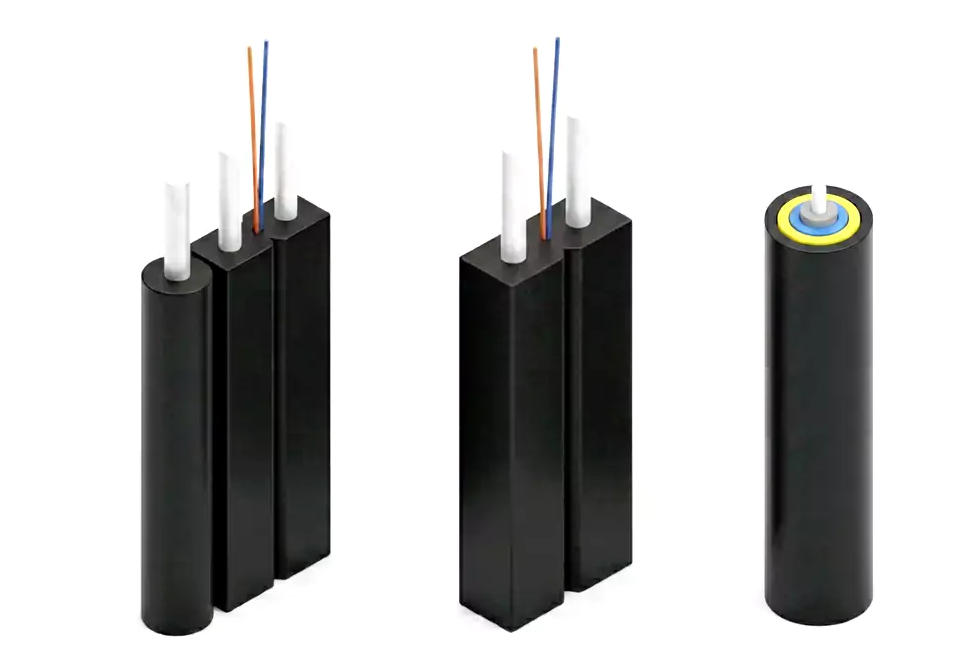
Main Types of FTTH Drop Cables
Different deployment environments require different cable designs. Here are the most common types of FTTH drop cables.
Indoor FTTH Drop Cable
Indoor drop cables are lightweight and highly flexible.
Features include:
- Small diameter
- Easy bending
- Flame-retardant jacket
- Simple installation
These cables are commonly installed in:
- Homes
- Apartments
- Office buildings
- Data rooms
Outdoor FTTH Drop Cable
Outdoor drop cables are designed to withstand harsh environmental conditions.
Key characteristics include:
- UV-resistant sheath
- Waterproof structure
- Enhanced tensile strength
- Weather resistance
They are ideal for aerial or wall-mounted installations.
Self-Supporting FTTH Drop Cable
Self-supporting cables include an additional messenger wire or steel support wire for aerial deployment.
Advantages:
- Easy pole-to-house installation
- Reduced installation costs
- Improved mechanical strength
Bow-Type Drop Cable
Bow-type cables have a flat appearance and excellent flexibility.
Benefits include:
- Easy routing
- Convenient clipping
- Space-saving design
This is one of the most commonly used FTTH cable structures worldwide.
Key Features of FTTH Drop Cable
FTTH drop cables are specifically designed to meet modern broadband deployment requirements.
Excellent Flexibility
The cables can bend easily without affecting signal quality, making them suitable for complex indoor routing.
Compact and Lightweight
Small cable size allows easier transportation and installation.
High Tensile Strength
Strength members protect the cable during pulling and installation processes.
Fire Resistance
Many indoor FTTH cables use LSZH materials to improve safety.
Weather Resistance
Outdoor cables withstand rain, sunlight, humidity, and temperature fluctuations.
Low Signal Loss
High-quality optical fibers ensure stable signal transmission over long distances.
Applications of FTTH Drop Cable
FTTH drop cables are widely used in modern communication infrastructure.
Residential Broadband Networks
The most common application is connecting homes to high-speed fiber internet.
Apartment Buildings
Multi-dwelling units require compact and flexible fiber distribution systems.
Smart Cities
FTTH networks support intelligent transportation, surveillance, and IoT systems.
Enterprise Networks
Businesses increasingly rely on fiber connectivity for cloud computing and data-intensive applications.
Rural Broadband Deployment
Governments use FTTH solutions to expand internet access in remote regions.
Campus Networks
Universities, hospitals, and industrial parks deploy FTTH systems for reliable connectivity.
FTTH Drop Cable vs Traditional Copper Cable
Many people wonder why fiber is replacing copper cables.
Here is a direct comparison:
| Feature | FTTH Drop Cable | Copper Cable |
|---|---|---|
| Bandwidth | Extremely High | Limited |
| Transmission Distance | Long | Short |
| Signal Interference | Minimal | High |
| Data Speed | Gigabit+ | Lower |
| Durability | Excellent | Moderate |
| Future Scalability | Strong | Weak |
| Maintenance | Lower | Higher |
Fiber optic technology clearly provides superior long-term performance.
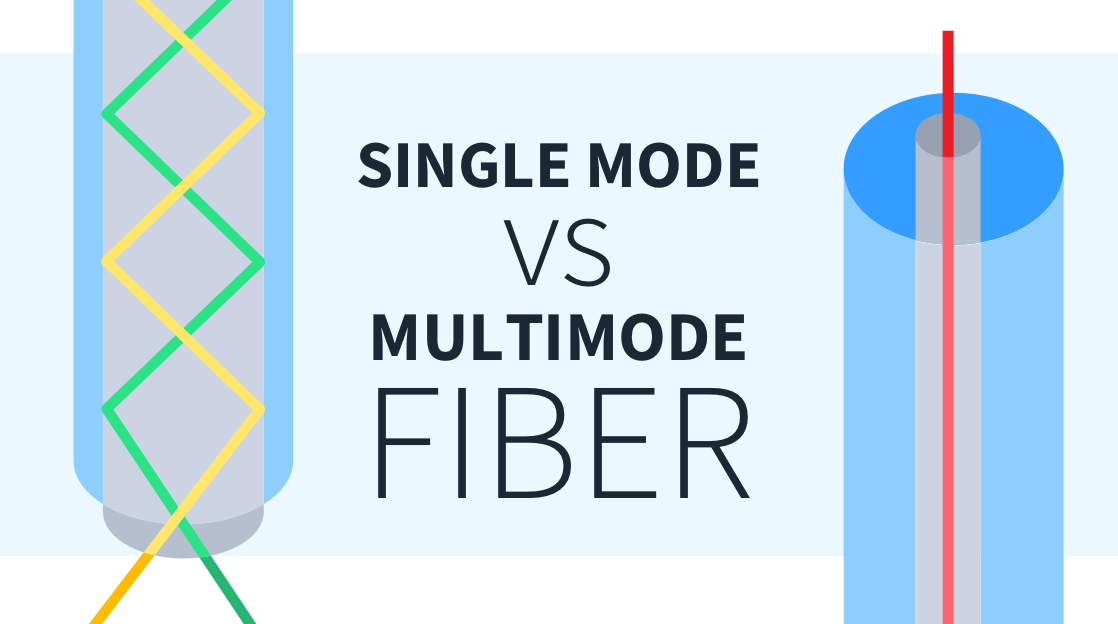
Single-Mode vs Multi-Mode FTTH Drop Cable
Most FTTH networks use single-mode fiber.
Single-Mode Fiber
Advantages:
- Long-distance transmission
- Higher bandwidth
- Lower attenuation
Best for telecom and broadband networks.
Multi-Mode Fiber
Advantages:
- Lower short-distance equipment cost
However, multi-mode fiber is generally less suitable for FTTH deployments due to distance limitations.
Installation Methods of FTTH Drop Cable
Proper installation ensures long-term network reliability.
Aerial Installation
The cable is suspended between poles using self-supporting structures.
Common in suburban and rural areas.
Wall-Mounted Installation
The cable is fixed along building exteriors using clips or brackets.
Underground Installation
Protective ducts or conduits are used for buried fiber deployments.
Indoor Routing
Cables are routed through walls, ceilings, or cable trays.
Important Factors When Choosing FTTH Drop Cable
Selecting the right cable is critical for network performance and longevity.
Fiber Type
G.657 fibers are preferred because of their bending resistance.
Installation Environment
Indoor and outdoor applications require different sheath materials.
Tensile Strength
Longer aerial installations need stronger reinforcement.
Fire Safety Requirements
LSZH materials are recommended for indoor public spaces.
Connector Compatibility
Ensure compatibility with SC/APC, SC/UPC, or other connectors.
Weather Resistance
Outdoor deployments require UV-resistant and waterproof designs.
Advantages of FTTH Drop Cable
Faster Internet Speeds
Fiber enables gigabit and even multi-gigabit broadband services.
Stable Signal Quality
Fiber signals are less affected by electromagnetic interference.
Long Service Life
High-quality FTTH cables can operate reliably for decades.
Lower Maintenance Costs
Fiber networks generally require less maintenance than copper networks.
Better User Experience
Users enjoy smoother streaming, gaming, and cloud access.
Future-Proof Infrastructure
Fiber supports future technologies and increasing bandwidth demands.
Challenges in FTTH Deployment
Although FTTH technology offers many benefits, deployment still faces challenges.
High Initial Investment
Fiber infrastructure installation requires significant capital expenditure.
Skilled Installation Requirements
Technicians need proper training for fiber splicing and testing.
Physical Damage Risks
Improper handling can damage optical fibers.
Rural Deployment Difficulties
Long-distance deployments in remote regions can be costly.
Despite these challenges, the long-term benefits often outweigh the initial costs.
Future Trends in FTTH Technology
The FTTH industry continues evolving rapidly.
10G and Beyond
10G-PON and next-generation passive optical networks are expanding.
Smart Home Integration
Fiber networks increasingly support AI-powered smart home systems.
5G Backhaul Support
FTTH infrastructure also supports mobile network backhaul.
Green Broadband Solutions
Fiber networks consume less energy compared to traditional systems.
Massive Global Expansion
Developing countries are accelerating fiber broadband deployment.
How to Identify High-Quality FTTH Drop Cable
When purchasing FTTH drop cable, you should evaluate:
- Fiber brand and standards
- Tensile strength
- Jacket material quality
- Flame-retardant certification
- Bending performance
- Environmental resistance
- Manufacturer reputation
- International certifications
Reliable suppliers usually provide:
- ISO certifications
- CE compliance
- RoHS compliance
- Full testing reports
FTTH Drop Cable Manufacturing Process
The production process involves several precise stages.
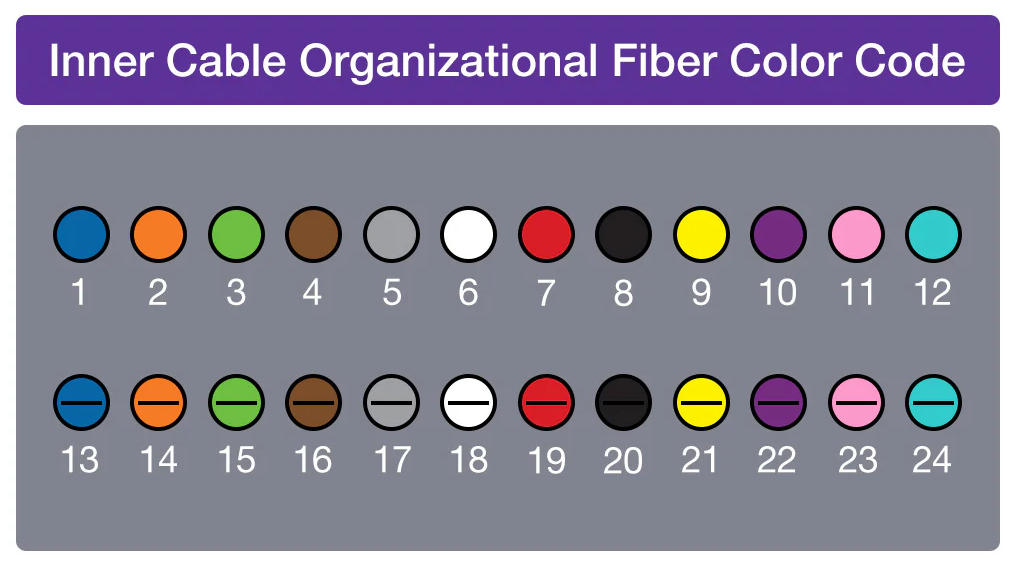
Fiber Coloring
Fibers are color-coded for identification.
Reinforcement Placement
Strength members are added for protection.
Sheathing
The cable jacket is extruded around the internal structure.
Testing
Manufacturers perform:
- Tensile tests
- Crush resistance tests
- Optical attenuation tests
- Temperature cycling tests
Quality control is essential for reliable field performance.
Global Market Demand for FTTH Drop Cable
The global fiber optic market continues to grow rapidly.
Major growth drivers include:
- Digital transformation
- Government broadband programs
- 5G expansion
- Smart city development
- Cloud computing demand
- Increasing video streaming traffic
Countries worldwide are accelerating fiber infrastructure investments, increasing demand for high-quality FTTH drop cables.
Conclusion
FTTH drop cable plays a crucial role in modern fiber optic communication networks. As the final connection between telecom providers and end users, it enables ultra-fast, stable, and future-ready broadband connectivity.
With advantages such as high bandwidth, low signal loss, flexibility, and durability, FTTH drop cables have become indispensable in residential, commercial, and smart city infrastructure.
As global internet demand continues rising, FTTH deployment will remain one of the most important trends in telecommunications. Choosing the right FTTH drop cable ensures reliable network performance, long service life, and scalable broadband infrastructure for years to come.
Whether you are a telecom operator, distributor, contractor, or enterprise buyer, understanding FTTH drop cable technology is essential for making informed networking decisions in the digital era.
FAQs About FTTH Drop Cable
What does FTTH stand for?
FTTH stands for Fiber to the Home, a broadband network architecture that delivers fiber optic connectivity directly to users.
What is the difference between FTTH cable and drop cable?
FTTH refers to the overall network architecture, while the drop cable is the final fiber cable connecting the network to the subscriber.
Can FTTH drop cable be used outdoors?
Yes. Outdoor FTTH drop cables are specially designed with UV-resistant and waterproof protection.
Which fiber is commonly used in FTTH drop cable?
G.657A1 and G.657A2 single-mode fibers are most commonly used because of their bending resistance.
How long can FTTH drop cable last?
High-quality FTTH drop cables can typically last over 25 years under proper installation conditions.
Why is LSZH important in FTTH cables?
LSZH materials improve fire safety by producing low smoke and no halogen gases during combustion.
Is FTTH better than copper internet cables?
Yes. FTTH provides significantly higher bandwidth, faster speeds, lower latency, and better long-term scalability than copper-based networks.