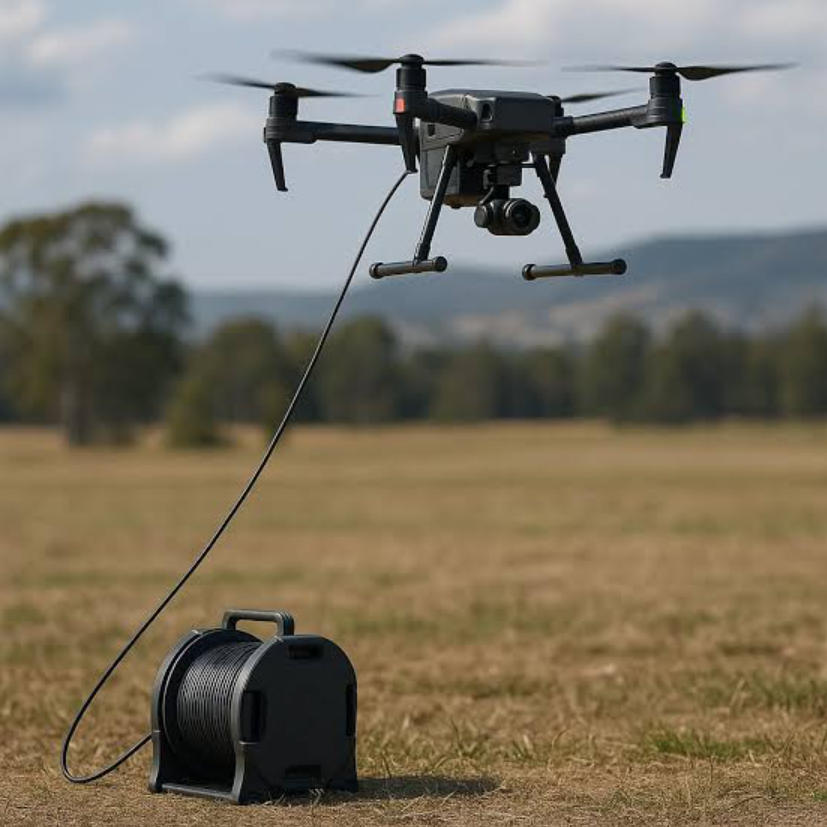
Drone fiber optic cable is a specialized lightweight fiber tether designed to connect a drone to a ground control station or power/data relay system. It enables:
- Ultra-high-speed data transmission
- Real-time HD/4K/8K video streaming
- Low-latency command and control
- Electromagnetic interference (EMI) resistance
- Secure communication channels
Unlike wireless RF or satellite links, fiber tethered drones maintain a physical connection that ensures uninterrupted communication even in environments with heavy signal disruption.
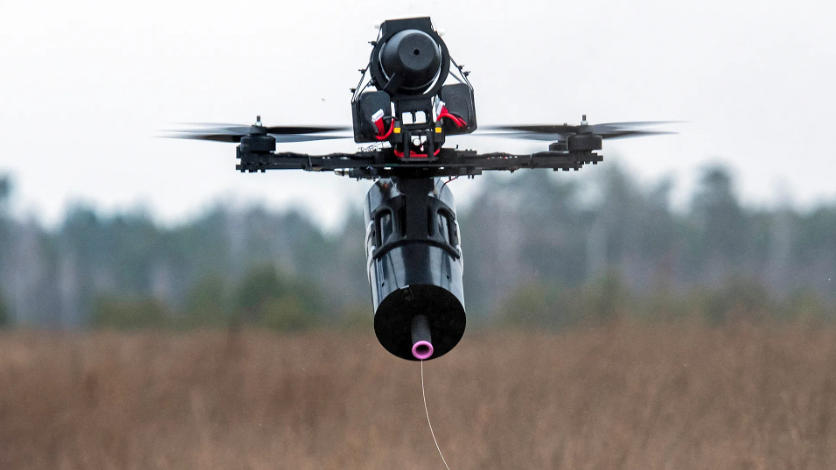
How Drone Fiber Optic Cable Works
The system typically includes three main components:
1. The Drone Unit
Equipped with:
- Optical transceiver
- Onboard camera and sensors
- Stabilization and flight systems
- Tether interface module
2. Fiber Optic Tether Cable
A ultra-thin, lightweight cable that:
- Transmits optical signals via light pulses
- Supports high data rates (Gbps-level transmission)
- Maintains tensile strength under dynamic flight conditions
- Minimizes weight impact on drone flight time
3. Ground Control Station (GCS)
Includes:
- Power supply (if hybrid tether)
- Optical signal converter
- Real-time control interface
- Data recording and processing systems
Signal Flow:
Drone sensors → Optical transmitter → Fiber tether → Ground receiver → Data processing system
Types of Drone Fiber Optic Cables
Different applications require different tether configurations. The main types include:
1. Single-Core Fiber Optic Drone Cable
- Lightweight and flexible
- Suitable for short-range tethered drones
- Common in surveillance and inspection
2. Multi-Core Fiber Optic Tether
- Higher redundancy and bandwidth
- Used in military-grade UAV systems
- Supports multiple data channels simultaneously
3. Hybrid Fiber Optic + Power Tether Cable
- Combines optical fiber with electrical power lines
- Enables long-duration “pseudo-stationary” drones
- Ideal for monitoring towers, borders, or disaster zones
4. Armored Drone Fiber Cable
- Reinforced with Kevlar or aramid fibers
- Resistant to abrasion, wind stress, and mechanical damage
- Used in harsh environments
Key Technical Specifications
When evaluating drone fiber optic cable, several technical parameters are critical:
1. Fiber Type
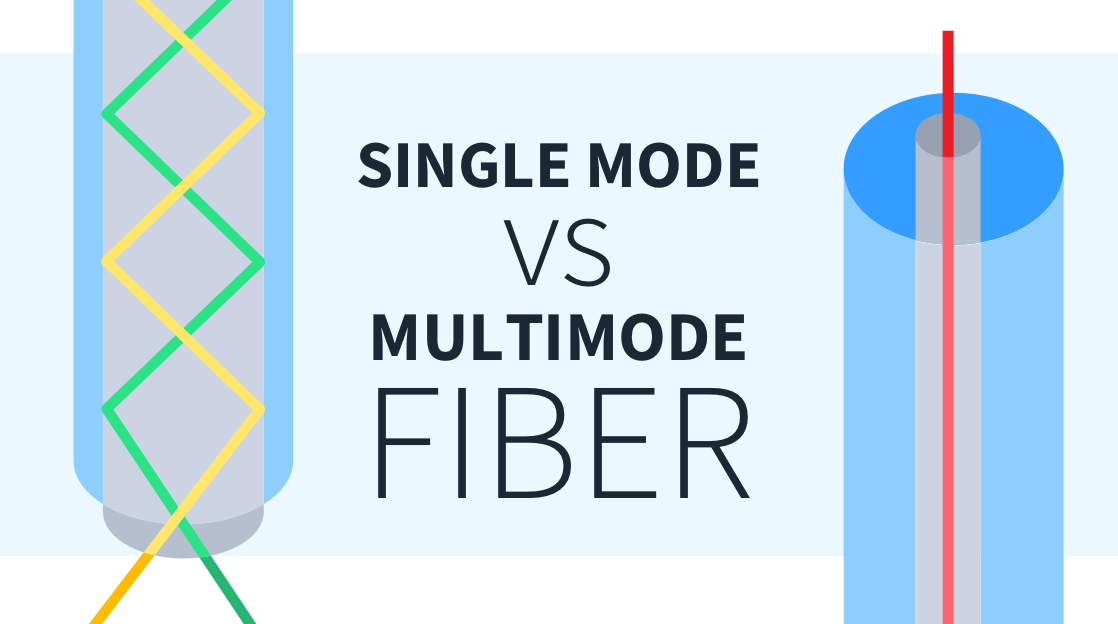
- Single-mode fiber (SMF): Long-distance, high bandwidth
- Multi-mode fiber (MMF): Short-range, cost-effective
2. Cable Diameter
Typically ranges from:
- 0.5 mm to 2.5 mm depending on drone size
3. Tensile Strength
- Designed to withstand wind drag and drone movement
- Kevlar reinforcement is commonly used
4. Data Transmission Rate
- 1 Gbps to 100+ Gbps depending on system design
5. Operating Distance
- 50m to 300m standard tethered drones
- Advanced systems can exceed 1000m
6. Weight per Meter
- Critical for flight endurance
- Ultra-light designs under 10g/km are preferred in high-end systems
Advantages of Drone Fiber Optic Cable
1. Ultra-Low Latency Communication
Fiber optic transmission ensures near-instant data transfer, crucial for real-time drone control.
2. Immunity to Electromagnetic Interference
Unlike RF systems, fiber is immune to:
- Jamming
- Signal interference
- Electromagnetic noise
3. High Security
Data transmitted through fiber is extremely difficult to intercept or hack, making it ideal for military and critical infrastructure.
4. High Bandwidth Capacity
Supports:
- 4K/8K video streaming
- LIDAR mapping
- Multi-sensor fusion data
5. Stable Connection in Complex Environments
Works reliably in:
- Urban canyons
- Underground structures (with tether routing systems)
- Industrial zones with heavy interference
Limitations of Drone Fiber Optic Cable
Despite its advantages, there are some limitations:
1. Physical Constraint
The tether limits drone mobility and range compared to wireless drones.
2. Risk of Cable Entanglement
Wind, obstacles, or rapid movements can cause cable twisting or damage.
3. Deployment Complexity
Requires careful spool management and tension control systems.
4. Cost
High-performance fiber tethers are more expensive than standard RF communication modules.
Applications of Drone Fiber Optic Cable
1. Military and Defense Operations
Fiber tether drones are widely used for:
- Battlefield surveillance
- Reconnaissance missions
- Electronic warfare environments
- Secure communications relay
Their immunity to jamming makes them especially valuable in contested zones.
2. Industrial Inspection
Used for inspecting:
- Oil and gas pipelines
- Power plants
- Wind turbines
- Offshore platforms
Fiber ensures stable HD video transmission even in electromagnetically noisy environments.
3. Disaster Response and Rescue
In emergency scenarios such as:
- Earthquakes
- Floods
- Fire zones
Fiber tether drones provide real-time imaging without reliance on unstable cellular networks.
4. Telecommunications and Network Testing
Used for:
- Tower inspections
- Signal mapping
- Temporary network deployment
Some systems also integrate with fiber backbone infrastructure for rapid deployment.
5. Scientific Research and Mapping
Applications include:
- Atmospheric monitoring
- Geological surveys
- High-resolution terrain mapping
- Environmental data collection
Drone Fiber Optic Cable vs Wireless Drone Communication
| Feature | Fiber Optic Drone Cable | Wireless Drone Link |
|---|---|---|
| Bandwidth | Extremely high | Limited |
| Latency | Ultra-low | Moderate |
| Security | Very high | Vulnerable to jamming |
| Mobility | Limited by tether | Fully free |
| Stability | Very stable | Weather/interference affected |
| Range | Physically limited | Potentially long-range |
Engineering Design Considerations
1. Lightweight Optimization
Every gram matters. Engineers use:
- Micro fiber cores
- Thin cladding materials
- High-strength aramid reinforcement
2. Reel and Spooling System
Advanced drones use:
- Motorized spools
- Tension control systems
- Anti-twist mechanisms
3. Aerodynamic Drag Reduction
Cable design minimizes:
- Wind resistance
- Oscillation effects
- Flight instability
4. Bend Radius Control
Fiber must maintain safe bending limits to avoid signal loss or breakage.
Market Trends and Growth Outlook (2026 and Beyond)
The drone fiber optic cable market is experiencing rapid growth due to:
- Expansion of autonomous drone fleets
- Increased demand for secure communications
- Growth of industrial IoT ecosystems
- Military modernization programs
- Rise of smart city surveillance systems
Key Trends:
- Miniaturization of fiber tether systems
- Integration with AI-powered drones
- Hybrid fiber + 5G + satellite systems
- Increased adoption in emergency services
Future of Drone Fiber Optic Technology
The next generation of drone fiber optic systems will likely include:
1. Ultra-Light Nano-Fiber Tethers
Reducing weight while increasing strength and bandwidth.
2. Smart Self-Monitoring Cables
Embedded sensors that detect:
- Tension changes
- Micro-fractures
- Environmental stress
3. AI-Based Tether Control Systems
AI algorithms will optimize:
- Cable tension
- Flight path adjustments
- Anti-entanglement responses
4. Hybrid Communication Networks
Combining:
- Fiber tether
- Wireless backup links
- Edge computing nodes
Frequently Asked Questions (FAQ)
1. What is a drone fiber optic cable used for?
It is used to provide high-speed, secure, and stable communication between drones and ground control systems.
2. Is fiber optic better than wireless for drones?
Yes, for stability, bandwidth, and security. However, wireless offers more mobility.
3. How far can a fiber tethered drone fly?
Typically 50–300 meters, depending on cable design and spool capacity.
4. Can fiber optic drone cables break easily?
Modern designs use Kevlar reinforcement, making them highly durable under normal conditions.
5. What industries use fiber tether drones most?
Defense, energy, telecommunications, industrial inspection, and emergency response.
Conclusion
The drone fiber optic cable is a transformative technology reshaping how unmanned aerial systems communicate, transmit data, and operate in high-risk or high-interference environments. With unmatched bandwidth, ultra-low latency, and superior security, fiber tethered drone systems are becoming essential in defense, industrial, and emergency applications.
While physical tether constraints remain, ongoing innovations in lightweight materials, AI-based control systems, and hybrid communication architectures are rapidly expanding the capabilities of these systems.
As we move further into a hyper-connected world, drone fiber optic cable technology will continue to play a foundational role in enabling reliable, real-time aerial intelligence and mission-critical data transmission.