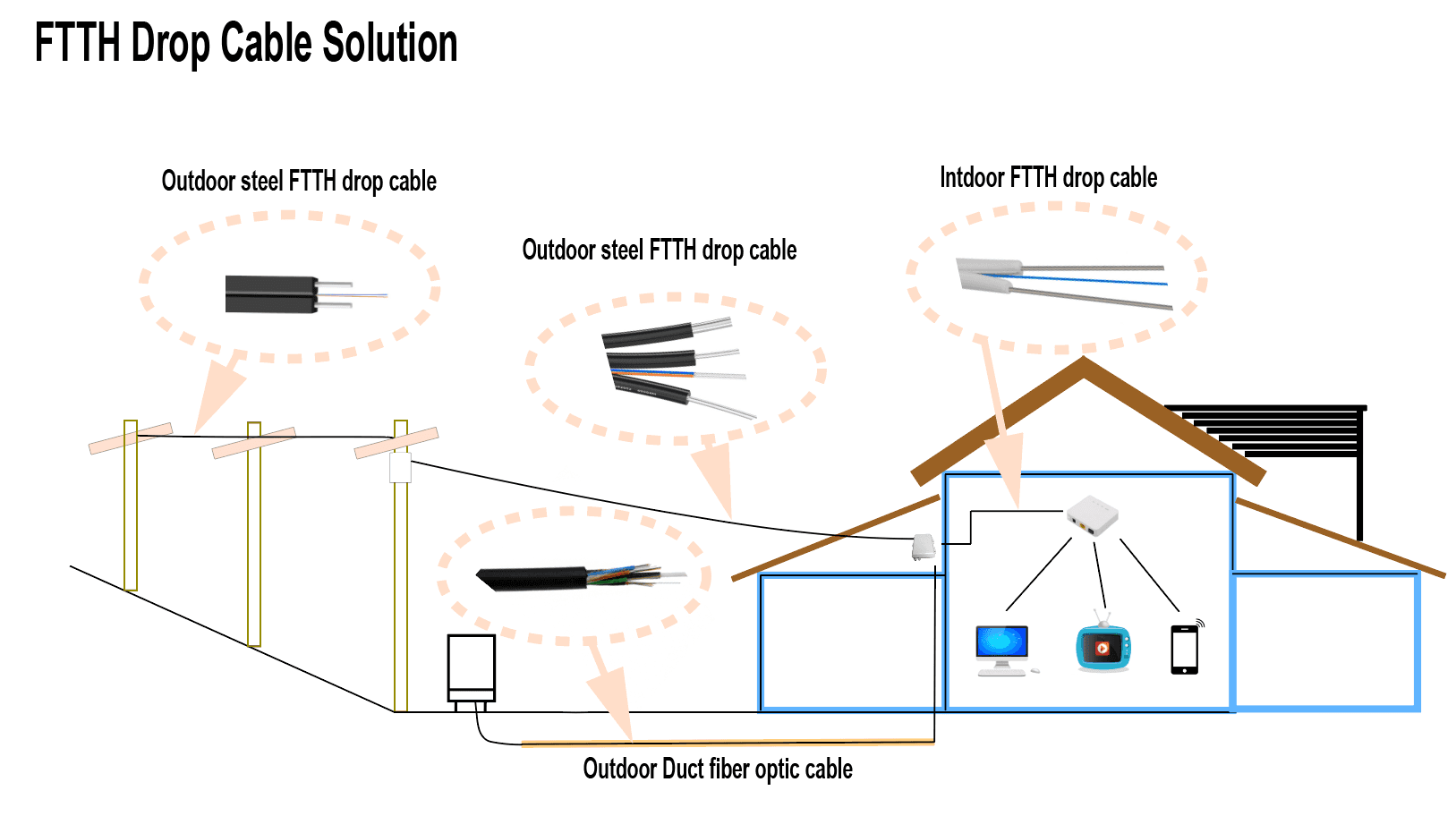
As global demand for high-speed internet continues to grow, Fiber-to-the-Home (FTTH) technology has become the preferred solution for broadband access networks. At the heart of every FTTH deployment lies a reliable drop cable that connects the optical distribution network directly to end users. Among the various FTTH drop cables available today, the GJYXFCH Fiber Optic Cable stands out as one of the most efficient, durable, and cost-effective solutions for aerial installations.
Designed specifically for outdoor FTTH applications, the GJYXFCH cable combines excellent mechanical strength, weather resistance, and easy installation. Its self-supporting structure eliminates the need for additional messenger wires, making it ideal for aerial deployment between utility poles and residential buildings.
This comprehensive guide explores the structure, features, advantages, applications, technical specifications, installation methods, and market trends of GJYXFCH Fiber Optic Cable.
What Is GJYXFCH Fiber Optic Cable?
GJYXFCH Fiber Optic Cable is a self-supporting FTTH drop cable designed for last-mile fiber optic connectivity. It is commonly used in outdoor aerial installations where the cable must withstand tension, wind loads, temperature fluctuations, and other environmental conditions.
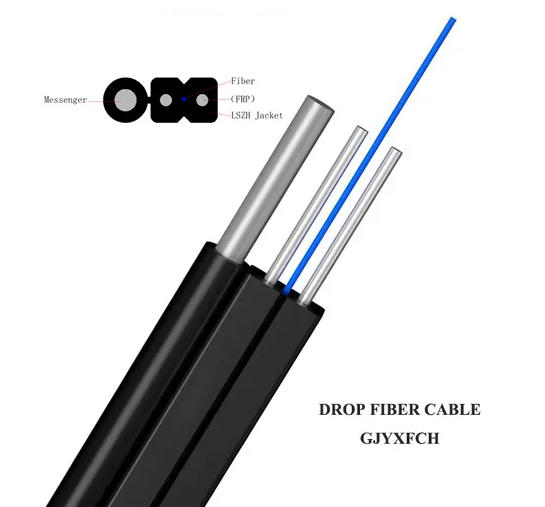
The cable incorporates:
- Optical fibers in the center
- FRP (Fiber Reinforced Plastic) strength members
- Galvanized steel messenger wire
- LSZH (Low Smoke Zero Halogen) outer sheath
This design provides exceptional tensile strength while maintaining lightweight characteristics and flexibility.
The cable is widely used by telecommunications operators, internet service providers (ISPs), and network contractors for residential broadband deployment.
Understanding the GJYXFCH Cable Structure
The unique structure of GJYXFCH cable contributes significantly to its performance and reliability.
1. Optical Fiber Core
The central optical fibers serve as the transmission medium for data signals.
Common fiber options include:
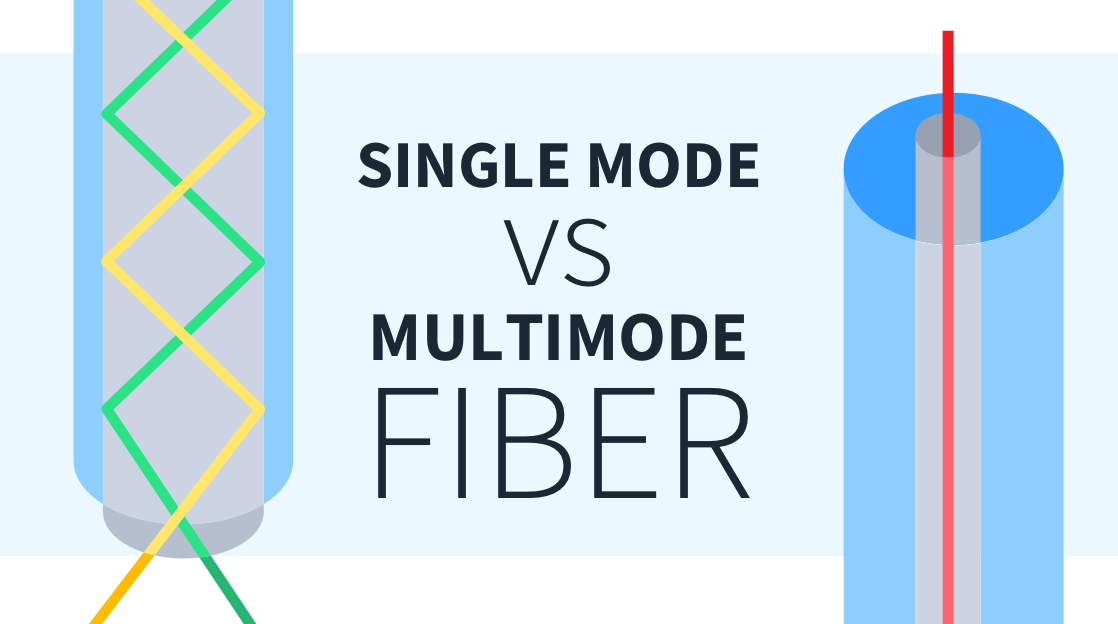
- G.652D Single Mode Fiber
- G.657A1 Bend-Insensitive Fiber
- G.657A2 Enhanced Bend-Insensitive Fiber
These fibers support long-distance, high-bandwidth communications with minimal signal attenuation.
2. FRP Strength Members
Two parallel Fiber Reinforced Plastic rods are positioned on both sides of the optical unit.
Benefits include:
- High tensile strength
- Lightweight construction
- Corrosion resistance
- Electromagnetic immunity
- Long service life
Unlike steel reinforcements, FRP materials do not rust and are suitable for harsh outdoor environments.
3. Self-Supporting Messenger Wire
A galvanized steel wire is integrated into the cable structure.
Functions include:
- Supporting aerial installations
- Withstanding mechanical loads
- Improving installation efficiency
- Reducing deployment costs
The messenger wire enables the cable to span long distances without additional support structures.
4. LSZH Outer Sheath
The Low Smoke Zero Halogen jacket provides:
- Flame resistance
- Environmental friendliness
- Reduced toxic gas emissions
- Enhanced safety in fire situations
LSZH materials are increasingly required in modern telecommunications projects worldwide.
Key Features of GJYXFCH Fiber Optic Cable
Excellent Tensile Strength
The combination of FRP strength members and steel messenger wire allows the cable to withstand substantial pulling forces during installation and operation.
Self-Supporting Design
Unlike standard drop cables, GJYXFCH does not require separate suspension hardware, reducing installation complexity.
Lightweight Construction
The compact design simplifies transportation, handling, and installation.
Weather Resistance
The cable can operate reliably under:
- High humidity
- Rain
- UV exposure
- Wind
- Snow
- Temperature variations
Low Signal Loss
High-quality optical fibers ensure excellent transmission performance and network reliability.
Long Service Life
With durable materials and robust construction, GJYXFCH cables can provide over 25 years of operational performance.
Advantages of GJYXFCH Fiber Optic Cable
Faster FTTH Deployment
Network operators can significantly reduce installation time because the cable integrates both transmission and support functions.
Lower Installation Costs
Benefits include:
- Reduced labor costs
- Fewer accessories required
- Simplified network design
- Lower maintenance expenses
Improved Network Reliability
The cable’s reinforced structure minimizes failures caused by:
- Excessive tension
- Environmental stress
- Accidental impacts
Enhanced Safety
LSZH materials improve safety in densely populated residential environments.
Future-Proof Connectivity
The cable supports modern applications such as:
- Gigabit broadband
- 4K and 8K video streaming
- Cloud computing
- Smart homes
- Remote work
- Online education
- IoT devices
Technical Specifications of GJYXFCH Fiber Optic Cable
Typical specifications include:
| Parameter | Specification |
|---|---|
| Fiber Count | 1–4 Fibers |
| Fiber Type | G.652D / G.657A1 / G.657A2 |
| Strength Member | FRP |
| Messenger Wire | Galvanized Steel |
| Outer Jacket | LSZH |
| Installation Type | Aerial |
| Operating Temperature | -40°C to +70°C |
| Tensile Strength | Customized |
| Cable Diameter | Varies by design |
OUFU can customize specifications according to project requirements.
Applications of GJYXFCH Fiber Optic Cable
Fiber to the Home (FTTH)
The most common application is connecting homes directly to optical distribution networks.
Benefits include:
- Ultra-fast internet access
- Stable connectivity
- Low latency
Fiber to the Building (FTTB)
The cable provides broadband connectivity to apartment buildings and commercial properties.
Rural Broadband Deployment
Its self-supporting design makes it ideal for:
- Villages
- Remote communities
- Agricultural regions
where installation budgets are limited.
Urban Access Networks
Telecom operators use GJYXFCH for cost-effective customer connections in cities and suburban areas.
Smart City Infrastructure
The cable supports smart city projects requiring reliable broadband connectivity for:
- Security systems
- Public Wi-Fi
- Traffic management
- IoT sensors
Why GJYXFCH Is Ideal for Aerial Installations
Aerial deployment presents unique challenges:
- Wind loads
- Cable sagging
- Mechanical tension
- UV exposure
The GJYXFCH cable addresses these challenges through:
Reinforced Messenger Wire
Provides excellent support across pole spans.
Lightweight Design
Reduces stress on utility poles and support hardware.
High Durability
Ensures long-term performance under harsh outdoor conditions.
Simplified Installation
Technicians can install the cable quickly without additional messenger systems.
GJYXFCH vs Standard FTTH Drop Cable
| Feature | GJYXFCH | Standard Drop Cable |
| Self-Supporting | Yes | No |
| Messenger Wire | Included | Not Included |
| Aerial Installation | Excellent | Limited |
| Installation Speed | Faster | Slower |
| Mechanical Strength | Higher | Lower |
| Cost Efficiency | Better | Moderate |
For aerial FTTH projects, GJYXFCH offers significant advantages over traditional drop cables.
Installation Best Practices
To maximize cable performance:
Avoid Excessive Bending
Follow manufacturer recommendations regarding minimum bend radius.
Use Appropriate Hardware
Install compatible:
- Anchoring clamps
- Suspension clamps
- Drop wire fittings
Maintain Proper Tension
Avoid over-tightening during aerial deployment.
Protect Connection Points
Use weatherproof closures and splice boxes.
Conduct Testing
Perform:
- OTDR testing
- Insertion loss measurements
- Continuity verification
before network activation.
Choosing the Right GJYXFCH Fiber Optic Cable
When selecting a cable, consider:
Fiber Type
Choose:
- G.652D for standard applications
- G.657A1/A2 for enhanced bend performance
Fiber Count
Determine future expansion requirements.
Span Length
Longer spans may require stronger messenger wire configurations.
Environmental Conditions
Consider:
- Wind speeds
- Temperature extremes
- UV exposure
- Humidity levels
Compliance Standards
Ensure compliance with:
- IEC standards
- ITU-T standards
- RoHS requirements
- Local telecommunications regulations
Future Trends in FTTH Drop Cables
The FTTH industry continues to evolve rapidly.
Emerging trends include:
Higher Fiber Density
Future networks require increased capacity.
Smarter Installation Solutions
Pre-connectorized cables reduce deployment time.
Improved Bend Performance
Advanced fibers enable easier routing in confined spaces.
Sustainable Materials
Environmentally friendly materials are becoming industry standards.
AI-Driven Network Management
Reliable drop cables such as GJYXFCH provide the physical foundation for intelligent network infrastructures.
Frequently Asked Questions (FAQ)
What does GJYXFCH stand for?
GJYXFCH refers to a self-supporting outdoor FTTH drop cable with FRP strength members, optical fibers, and a steel messenger wire.
Is GJYXFCH suitable for outdoor use?
Yes. It is specifically designed for outdoor aerial deployment.
What fiber types are available?
The cable commonly supports G.652D, G.657A1, and G.657A2 fibers.
What are the advantages of LSZH sheathing?
LSZH materials emit less smoke and fewer toxic gases during fire incidents, improving safety.
Can GJYXFCH be used in rural broadband projects?
Absolutely. Its self-supporting structure makes it highly suitable for cost-effective rural FTTH deployment.
Conclusion
The GJYXFCH Fiber Optic Cable has become one of the most widely used solutions for modern FTTH networks due to its self-supporting design, superior mechanical strength, easy installation, and long-term reliability. Whether deployed in urban neighborhoods, suburban developments, or remote rural communities, this cable provides a dependable and cost-effective pathway for delivering high-speed fiber broadband services.
As global internet demand continues to increase and FTTH adoption accelerates, GJYXFCH cable will remain a critical component of next-generation access networks. Network operators, contractors, and infrastructure developers seeking reliable aerial fiber connectivity can confidently choose GJYXFCH as a future-ready solution that combines performance, durability, and installation efficiency.