In outdoor fiber optic cable communication engineering, GYTS, GYTA and GYXTW are the three most mainstream outdoor optical cable types widely used in metropolitan area network, access network, overhead laying, duct installation and direct burial projects worldwide. Although all of them belong to outdoor filled communication optical cables, they have obvious differences in internal structural design, armor materials, mechanical strength, environmental adaptability, fiber core capacity and construction applicability. Choosing the correct optical cable model directly determines project construction efficiency, service life, operation stability and overall engineering cost.
This article conducts an in-depth multi-dimensional comparison between GYTS, GYTA and GYXTW fiber optic cable from model definition, internal structure, raw material configuration, physical performance, applicable laying methods, service environment, core fiber range and market application scenarios. conforms to overseas communication industry search habits, and provides professional purchasing reference and engineering selection standards for global optical cable buyers, engineering contractors, network operators and communication construction enterprises.
1. Basic Definition and Naming Standard of GYTS, GYTA and GYXTW Fiber Optic Cables
According to international general communication optical cable manufacturing standards and industry universal naming specifications, GY is the unified prefix code for all outdoor telecommunication optical cables, representing outdoor filled communication fiber optic cable. The subsequent letters represent different internal structures, reinforcement materials and armor structures.
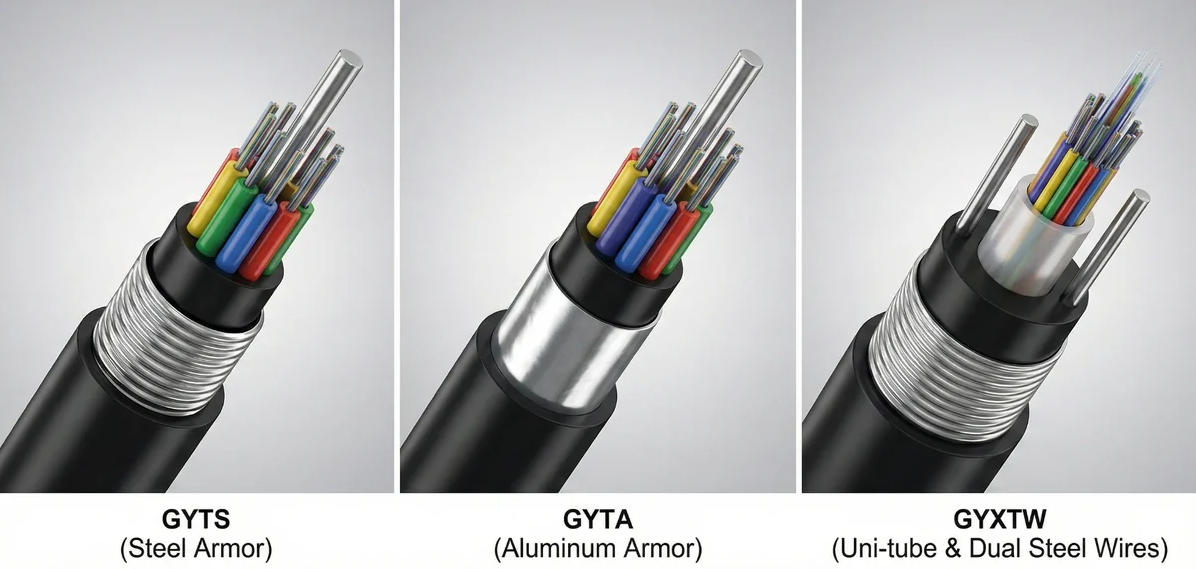
GYTS Fiber Optic Cable: Loose tube stranded steel tape armored outdoor fiber optic cable. It adopts stranded loose tube structure and uses steel plastic composite tape as the armor layer, which is the most versatile multi-core outdoor optical cable in the communication industry.
GYTA Fiber Optic Cable: Loose tube stranded aluminum tape armored outdoor optical cable. The overall stranded structure is consistent with GYTS, while the armor layer is replaced with aluminum plastic composite tape, featuring better flexibility and corrosion resistance.
GYXTW Fiber Optic Cable: Central loose tube steel wire reinforced outdoor optical cable. It abandons the traditional stranded structure and adopts single central tube design with parallel steel wire reinforcement on both sides, belonging to lightweight small-core outdoor optical cable.
The most essential difference among the three types lies in structural layout and protective reinforcement mode: GYTS and GYTA belong to stranded multi-tube structure, suitable for medium and large core count long-distance transmission; GYXTW is central single-tube structure, only suitable for small-core short-distance signal transmission.
2. Internal Structure and Core Material Composition Comparison
2.1 Structure and Material of GYTS Fiber Optic Cable
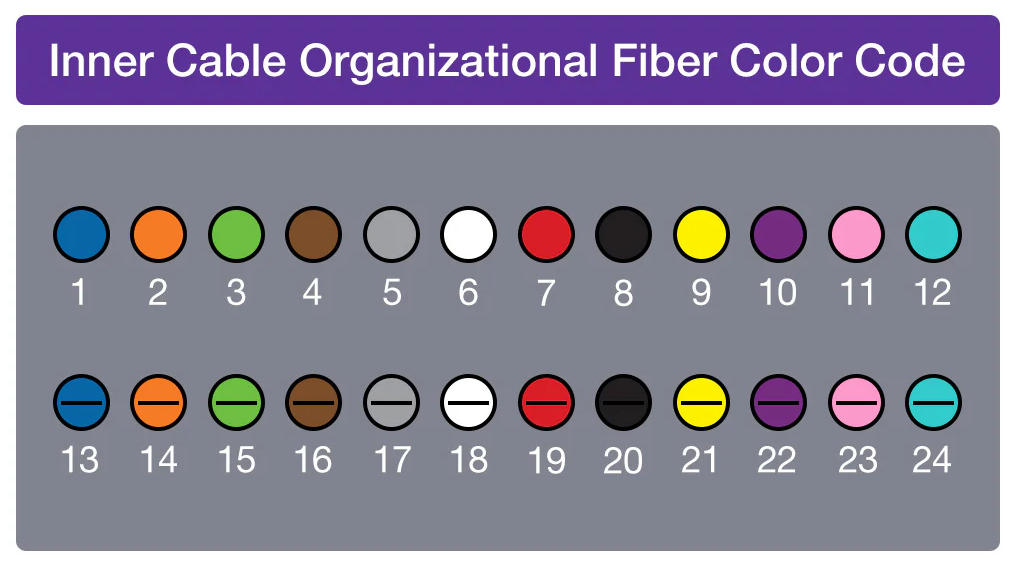
From inside to outside, the complete structure of GYTS fiber optic cable is composed of colored optical fiber, loose buffer tube, cable core filling paste, central strength member, stranded loose tube layer, steel tape armor layer and HDPE outer sheath.
All optical fibers are placed into independent high-density plastic loose tubes, and the gaps inside the loose tubes are fully filled with waterproof fiber paste to isolate moisture and buffer external pressure. Multiple loose tubes are stranded around the central steel wire strength member to form a stable cable core structure. The outer layer is wrapped with double-sided coated steel plastic composite armor tape, which greatly improves lateral pressure resistance, impact resistance and rat bite prevention performance. The outermost layer adopts high-density polyethylene outer sheath with excellent ultraviolet resistance and outdoor aging resistance.
In terms of core materials, GYTS takes steel tape armor as the core advantage material. Steel tape has high hardness and strong mechanical bearing capacity, stable physical performance and low comprehensive material cost. The matching HDPE sheath can adapt to most outdoor temperature changes and harsh natural environments.
2.2 Structure and Material of GYTA Fiber Optic Cable
The internal layered structure of GYTA fiber optic cable is basically the same as that of GYTS, including optical fiber, loose tube, waterproof filling paste, central strength member and stranded cable core. The only core difference is the replacement of steel tape armor with aluminum plastic composite tape armor.
Aluminum tape material is lighter in weight, better in bending flexibility and easier for construction bending and pipe penetration laying. Aluminum material itself has excellent moisture-proof, rust-proof and chemical corrosion resistance, and can effectively resist salt fog erosion, humid air and weak acid-base environmental erosion. The outer sheath still uses standard outdoor weather-resistant HDPE material, consistent with GYTS in outdoor anti-aging performance.
Compared with steel tape, aluminum tape has slightly lower hardness and lateral pressure resistance, but its comprehensive environmental adaptation performance in humid and corrosive areas is far better than GYTS.
2.3 Structure and Material of GYXTW Fiber Optic Cable
GYXTW fiber optic cable adopts simplified central loose tube structure without complex stranded cable core design. All optical fibers are uniformly placed in one large central loose tube, and the interior is filled with waterproof fiber paste for overall moisture prevention. Two parallel high-tensile steel wires are arranged symmetrically on the left and right sides of the central tube as the main tension bearing components. There is no metal armor layer outside the cable core, and the outermost layer is directly extruded with thin-wall HDPE outer sheath.
In terms of material configuration, GYXTW has the simplest structure and the least use of auxiliary materials, so the whole cable is light in weight, small in outer diameter and lowest in production cost. It only relies on steel wires to bear tensile force and has no special pressure-resistant and impact-resistant protective structure, so its overall mechanical protection performance is the weakest among the three models.
2.4 Core Structure & Material Contrast Table
| Comparison Item | GYTS | GYTA | GYXTW |
|---|---|---|---|
| Structural Type | Stranded Multi Loose Tube | Stranded Multi Loose Tube | Central Single Loose Tube |
| Reinforcement & Armor | Steel Plastic Composite Tape | Aluminum Plastic Composite Tape | Parallel Steel Wire Reinforced |
| Usable Fiber Core Range | 2-432 Cores | 2-288 Cores | 2-12 Cores |
| Overall Outer Diameter | Medium Size | Slightly Smaller | Minimum Size |
| Cable Weight | Heavy | Medium | Lightest |
| Production Cost | Medium Level | Slightly Higher | Lowest Cost |
| Main Protective Advantage | Pressure Resistance, Impact Resistance | Corrosion Resistance, Flexibility | Light Weight, Easy Laying |
3. Mechanical Performance and Environmental Adaptability Analysis
3.1 Tensile Strength Performance
GYTS fiber optic cable has the strongest overall tensile capacity, with stable tension bearing capacity during long-distance overhead laying and large-span erection, not easy to produce fiber stretching deformation and signal attenuation increase. GYTA has moderate tensile strength, which can meet most conventional overhead and pipe laying requirements, suitable for complex terrain wiring construction. GYXTW has the weakest tensile performance, only applicable to short-distance fixed wiring, and long-span overhead laying is easy to be stretched and damaged.
3.2 Lateral Pressure and Compression Resistance
In terms of compression resistance, GYTS steel tape armor shows absolute advantages, with strong anti-extrusion and anti-crushing ability, which can effectively resist ground extrusion, construction rolling and external heavy pressure impact, and is the preferred model for direct burial laying. GYTA aluminum tape has certain compression resistance, which can adapt to conventional pipe laying, but cannot bear long-term heavy pressure extrusion. GYXTW has no metal armor protection, with very weak lateral pressure resistance, easy to be flattened and deformed under slight external extrusion, leading to internal fiber damage.
3.3 Waterproof, Moisture-proof and Corrosion Resistance
Both GYTS and GYTA adopt full cable core filling paste structure with good overall waterproof performance. Among them, GYTA aluminum tape has better moisture-proof and anti-rust effect, and can resist salt fog erosion in coastal areas, humid climate and chemical weak corrosion environment for a long time, with longer outdoor service life. GYTS steel tape is easy to oxidize and rust in high-humidity salt fog environment, and needs additional anti-corrosion treatment when used in coastal areas. GYXTW has basic waterproof performance inside the tube, but lacks outer metal isolation layer, so the overall moisture-proof and anti-corrosion grade is the lowest, and long-term underground laying is easy to be affected with damp.
3.4 Temperature Resistance and Outdoor Aging Resistance
All three types of outdoor optical cables use standard weather-resistant HDPE outer sheath, with consistent working temperature range, able to adapt to high-temperature sunlight exposure and low-temperature cold climate in most regions of the world, and have strong ultraviolet aging resistance, meeting long-term outdoor open-air use standards. Due to the lack of armor layer protection, GYXTW sheath is more prone to aging deformation under long-term extreme high temperature environment.
4. Applicable Laying Methods and Global Application Scenarios
4.1 Main Application Scenarios of GYTS Fiber Optic Cable
GYTS is a universal full-scene outdoor fiber optic cable, supporting three mainstream laying methods: overhead installation, pipeline penetration and direct underground burial. It is widely used in backbone network construction of urban metropolitan area networks, long-distance rural communication trunk lines, park area network wiring and road side direct burial communication pipelines.
It is very suitable for ordinary soil geological environment and areas needing rat bite prevention and external pressure protection. It is the preferred optical cable for large-core long-distance signal transmission projects. It is not recommended to use GYTS in coastal high-salt fog and strong chemical corrosion areas, and it is not cost-effective to select GYTS for small-core short-distance wiring projects.
4.2 Main Application Scenarios of GYTA Fiber Optic Cable
GYTA fiber optic cable is mainly suitable for overhead laying and indoor and outdoor pipeline penetration laying. Thanks to its good bending performance, it is very convenient for construction wiring in narrow spaces and complex turning routes.
Its core application markets are coastal city communication networks, island communication projects, chemical industrial park wiring and high-humidity rainy area network construction. It is the best choice for global humid and corrosive regional communication engineering. Due to insufficient compression resistance, GYTA is not recommended for direct burial laying without protective casing, and the cost advantage is not obvious when used for ultra-large-core fiber optic cable projects.
4.3 Main Application Scenarios of GYXTW Fiber Optic Cable
GYXTW is a professional lightweight optical cable specially designed for small-core overhead wiring. It is only allowed to adopt overhead erection laying mode, and direct burial and pipeline extrusion laying are strictly prohibited.
It is widely used in FTTH home access network, community monitoring signal wiring, building short-distance interconnection lines and all low-budget small-core communication projects. It is favored by global low-cost communication engineering projects because of its low price, light weight and fast construction speed. Due to the limitation of central tube structure, GYXTW cannot produce large-core specifications, so it cannot be used for trunk line transmission.
4.5 Global GEO Regional Selection Suggestion
For Southeast Asia, coastal islands and tropical high-temperature and high-humidity regions with serious salt fog corrosion, GYTA aluminum tape armored optical cable is the most suitable choice, which can effectively resist local harsh corrosive environment and extend service life.
For European and American temperate climate zones, inland plain areas and long-distance trunk line projects with ordinary geology, GYTS steel tape armored optical cable is prioritized, with stable mechanical performance and low later maintenance cost.
For arid and high-temperature areas in the Middle East and short-distance urban community wiring projects, GYXTW lightweight aerial fiber optic cable is selected to control project cost on the premise of meeting basic signal transmission demand.
Practical Engineering Selection Rules
First, confirm the number of fiber cores: choose GYXTW for 2-12 cores short-distance wiring; select GYTA for 24-144 cores medium-distance humid environment projects; adopt GYTS for more than 144 cores large-core trunk line transmission.
Second, confirm laying environment: select GYTS for direct burial and pressure-bearing environments; prefer GYTA for humid, salt fog and corrosive environments; use GYXTW for pure overhead low-cost projects.
Third, control project budget: prioritize GYXTW for projects with tight budget and low protection demand; choose GYTS for projects focusing on long-term stable operation; configure GYTA for high-demand anti-corrosion engineering projects.
6. Full Text Summary
To sum up, the essential difference between GYTS, GYTA and GYXTW outdoor fiber optic cables lies in structural design and external protective materials. GYTS relies on steel tape armor to achieve super strong mechanical protection and becomes a universal model for global communication trunk lines and direct burial projects. GYTA takes aluminum tape corrosion resistance as its core competitiveness, and is the designated preferred optical cable for humid coastal and corrosive industrial areas. GYXTW wins the market with simplified structure and ultra-low cost, and occupies the mainstream market of global small-core overhead access wiring.
In global communication engineering procurement and construction design, engineering personnel do not need to blindly pursue high-specification optical cables. Only by combining actual fiber core quantity, laying mode, regional natural environment corrosion degree and project budget, can they accurately match the most suitable optical cable model, effectively reduce project construction cost, avoid later failure maintenance problems, and ensure stable and efficient long-term operation of communication network lines.
Frequently Asked Questions
Q1: What do GYTS, GYTA and GYXTW stand for?
A1:
- GYTS: Stranded Loose Tube Steel Tape Armored Outdoor Optical Cable
- GYTA: Stranded Loose Tube Aluminum Tape Armored Outdoor Optical Cable
- GYXTW: Central Loose Tube Steel Wire Reinforced Outdoor Optical Cable
All three are standard outdoor filled fiber optic cables for telecommunication networks.
Q2: Are these three cables single mode or multimode?
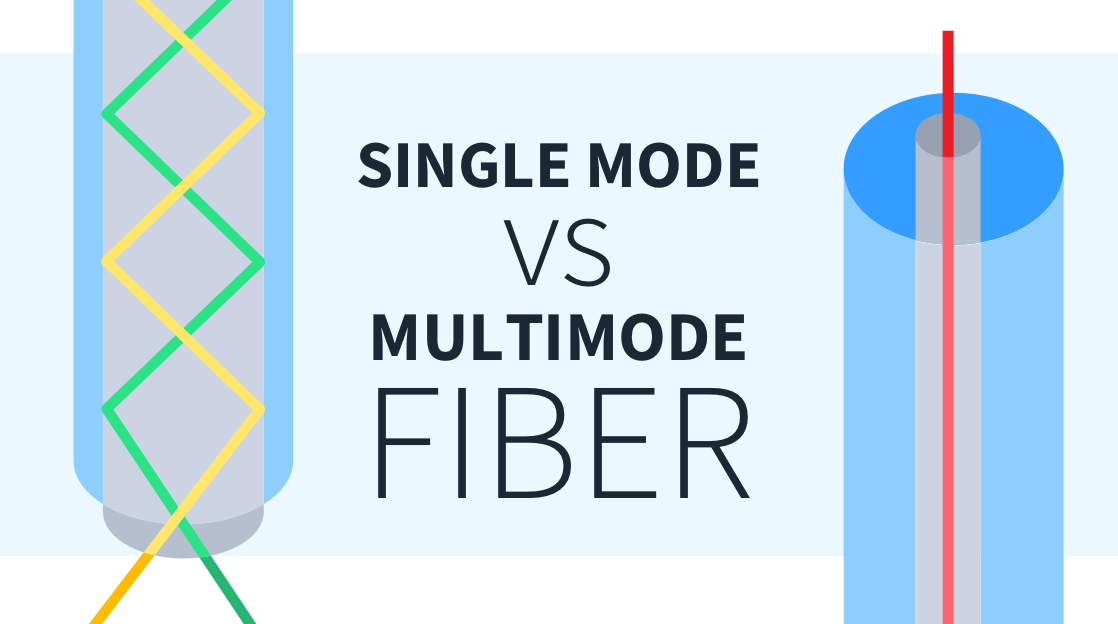
A2: They support both single mode (G.652D, G.657A1/A2) and multimode fiber. Most commercial projects use single mode for long-distance transmission.
Q3: What is the main difference between GYTS and GYTA?
A3: The only core difference is armor material. GYTS uses steel tape for high pressure resistance; GYTA uses aluminum tape for better flexibility and anti-corrosion performance.
Structure & Material FAQ
Q4: What is the internal structure of GYXTW?
A4: It adopts central single loose tube design, with two parallel steel wires as strength members, no metal armor layer, simple structure, small outer diameter and light weight.
Q5: Why GYTS and GYTA can make larger fiber counts?
A5: They are stranded multi-loose-tube structure, which can arrange multiple loose tubes around central strength member, so fiber cores can reach up to 432 cores. GYXTW only has one central tube, limited within 2-12 cores.
Q6: What sheath material do they use?
A6: All adopt HDPE high density polyethylene outer sheath, with good UV resistance, weather resistance and outdoor aging resistance.
Mechanical Performance FAQ
Q7: Which cable has the best pressure resistance?
A7: GYTS > GYTA > GYXTW. GYTS steel tape armor owns strongest anti-side pressure and anti-crushing ability, ideal for direct burial.
Q8: Which one has better tensile strength?
A8: GYTS has the highest tensile strength, suitable for long span overhead laying. GYTA is medium, GYXTW has the lowest tension resistance.
Q9: Can GYXTW resist rat bite?
A9: No. Without steel tape or aluminum tape armor, GYXTW has poor anti-rodent ability. Choose GYTS for areas with serious rat damage.
Environment & Weather Resistance FAQ
Q10: Which cable is best for coastal & salt fog areas?
A10: GYTA is the first choice. Aluminum tape features excellent moisture-proof, rust-proof and salt spray corrosion resistance, longer service life in coastal humid areas.
Q11: What is the working temperature range?
A11: All three types: -40℃ ~ +60℃, fit most global climate zones.
Q12: Is GYTA suitable for chemical industrial zones?
A12: Yes. Aluminum armor can resist weak acid and alkali erosion, more stable than GYTS in chemical pollution environment.
Laying & Installation FAQ
Q13: What laying ways are available for GYTS?
A13: Overhead, duct/pipeline, direct burial, wall crossing and tray laying, full-scene universal type.
Q14: Can GYXTW be buried directly underground?
A14: Strictly forbidden. GYXTW has no armor protection, easy to be flattened, squeezed and damaged. It is only for overhead installation.
Q15: Is GYTA easier to bend during construction?
A15: Yes. Aluminum tape is softer than steel tape, smaller bending radius, easier for pipe threading and complex route construction.
Q16: Can GYTA be used for direct burial?
A16: Not recommended for bare direct burial. If necessary, use protective casing to avoid long-term heavy pressure extrusion.
Fiber Core & Application FAQ
Q17: What fiber core ranges do they support?
A17:
- GYTS: 2~432 cores
- GYTA: 2~288 cores
- GYXTW: 2~12 cores
Q18: Where is GYXTW mainly used?
A18: FTTH fiber to the home, community monitoring wiring, short-distance building interconnection, rural low-cost access network.
Q19: Which cable is used for metropolitan backbone network?
A19: Large core backbone lines prefer GYTS; coastal city backbone lines choose GYTA.
Cost & Purchase FAQ
Q20: Which one is the cheapest?
A20: Price rank: GYXTW < GYTS < GYTA. GYXTW has simplest structure and lowest cost; GYTA raw material cost is higher.
Q21: When should I choose GYTS instead of GYTA?
A21: Choose GYTS if your project needs direct burial, strong pressure resistance, anti-rat function and large fiber core counts with budget control.
Q22: Is there any outdoor cable can replace these three types?
A22: For special harsh environment, you can choose ADSS all-dielectric self-supporting optical cable or armored underground buried optical cable.
Common Troubleshooting FAQ
Q23: Why does GYXTW have higher signal loss after long-term use?
A23: Lacking rigid armor protection, it is easy to be squeezed and bent excessively, causing fiber micro-bending loss increase.
Q24: Will steel tape of GYTS get rusty easily?
A24: Standard double-sided plastic coated steel tape has good anti-rust performance. It will oxidize only in long-term high humidity salt fog environment without protection.
Q25: Can these cables be used for indoor wiring?
A25: They are outdoor dedicated cables. For indoor use, please use indoor non-flammable optical cables to meet fire safety standards.