In today’s digital world, fiber optic technology has become the foundation of global communications. From telecommunications networks and data centers to smart cities and 5G infrastructure, fiber optic cables are enabling faster, more reliable, and higher-capacity data transmission than ever before.
As demand for high-speed connectivity continues to grow, businesses, network operators, contractors, and government organizations are increasingly searching for reliable fiber optic cable manufacturers capable of delivering high-quality optical cable solutions.
However, with hundreds of manufacturers worldwide, selecting the right supplier can be challenging. Factors such as production capability, product quality, certifications, customization services, and pricing all influence purchasing decisions.
This comprehensive guide explores everything you need to know about fiber optic cable manufacturers, including manufacturing processes, product categories, industry standards, key selection criteria, emerging trends, and frequently asked questions.
What Is a Fiber Optic Cable Manufacturer?
A fiber optic cable manufacturer is a company that designs, engineers, produces, tests, and supplies optical fiber cables for communication networks and data transmission systems.
These manufacturers typically produce:
- Outdoor fiber optic cables
- Indoor fiber optic cables
- FTTH drop cables
- ADSS cables
- OPGW cables
- Armored fiber optic cables
- Micro cables
- Ribbon fiber cables
- Data center fiber solutions
- Fiber patch cords
- MPO/MTP assemblies
Modern manufacturers often provide complete connectivity solutions rather than simply supplying cable products.
Why Fiber Optic Cables Are Essential
Fiber optic cables transmit information through pulses of light instead of electrical signals.
Compared with traditional copper cables, optical fibers offer significant advantages:
Higher Bandwidth
Fiber cables support massive data transmission capacities required for:
- Cloud computing
- AI applications
- Big data analytics
- Streaming services
- Data centers
Longer Transmission Distance
Signals can travel tens or even hundreds of kilometers with minimal loss.
Faster Speeds
Modern fiber networks support:
- 1G
- 10G
- 40G
- 100G
- 400G
- 800G Ethernet
Electromagnetic Immunity
Unlike copper cables, fiber optics are immune to:
- EMI
- RFI
- Lightning interference
Enhanced Security
Fiber cables are difficult to tap, providing superior network security.
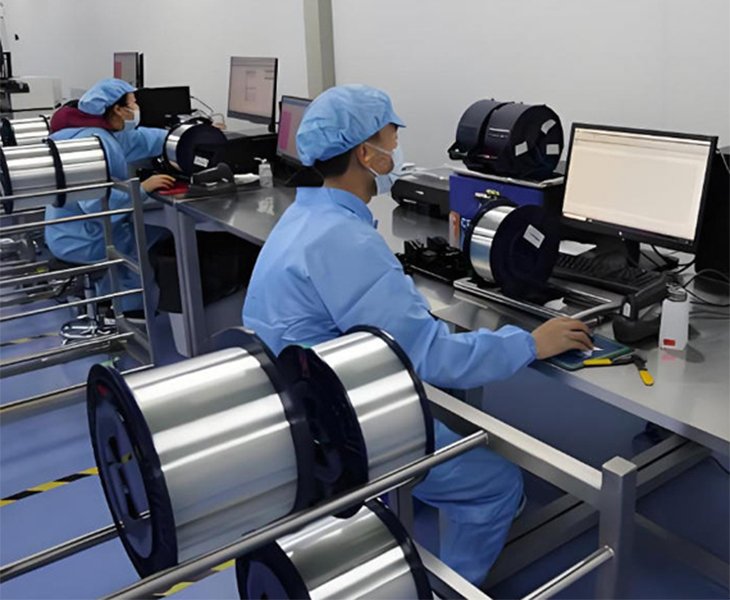
Types of Fiber Optic Cables Manufactured Today
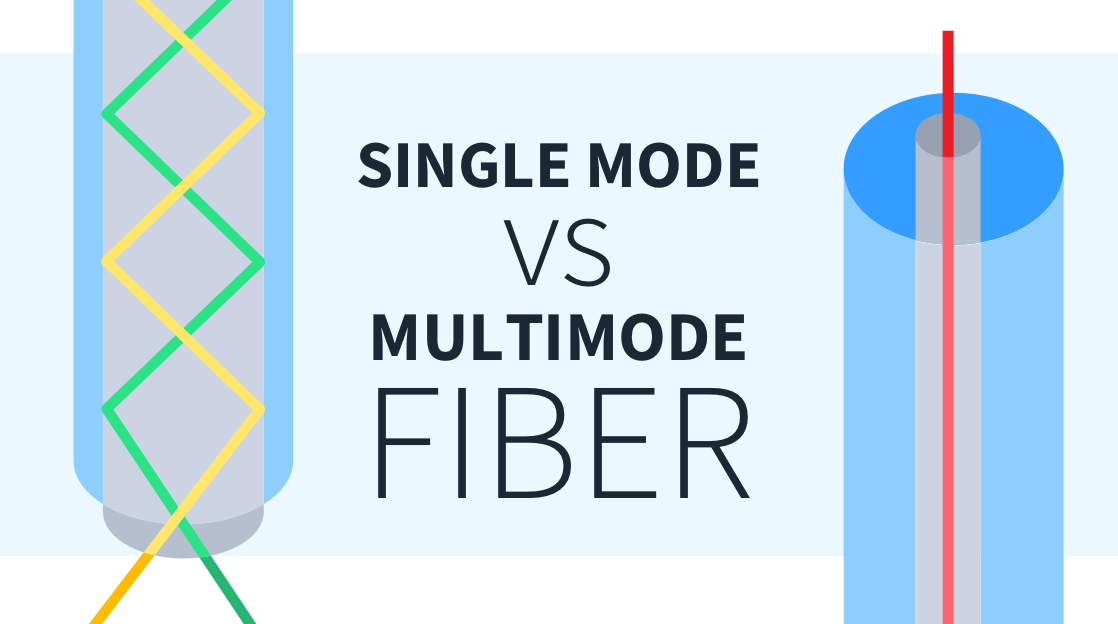
1. Single Mode Fiber Cable
Single mode fiber (SMF) uses a small core diameter, allowing light to travel directly with minimal dispersion.
Applications:
- Long-distance communication
- Metro networks
- Backbone networks
- 5G infrastructure
Common standards:
- G.652.D
- G.657.A1
- G.657.A2
2. Multimode Fiber Cable
Multimode fiber (MMF) supports multiple light paths.
Applications:
- Enterprise networks
- Campus networks
- Data centers
Popular fiber types:
- OM1
- OM2
- OM3
- OM4
- OM5
3. FTTH Drop Cable
Fiber-to-the-Home (FTTH) deployment relies heavily on drop cables.
Features:
- Lightweight design
- Easy installation
- Cost-effective deployment
- Excellent bending performance
Widely used by ISPs and telecom operators.
4. ADSS Cable
All-Dielectric Self-Supporting (ADSS) cable is designed for aerial installations.
Benefits:
- No metallic components
- Suitable for high-voltage environments
- Self-supporting structure
- Low maintenance
Commonly installed along power transmission lines.
5. OPGW Cable
Optical Ground Wire (OPGW) combines:
- Ground wire protection
- Optical communication
Applications:
- Power utility networks
- Smart grid systems
- Transmission lines
6. Armored Fiber Optic Cable
Armored cables provide additional protection against:
- Rodents
- Crushing
- Impact damage
Ideal for:
- Industrial environments
- Underground installations
- Military applications
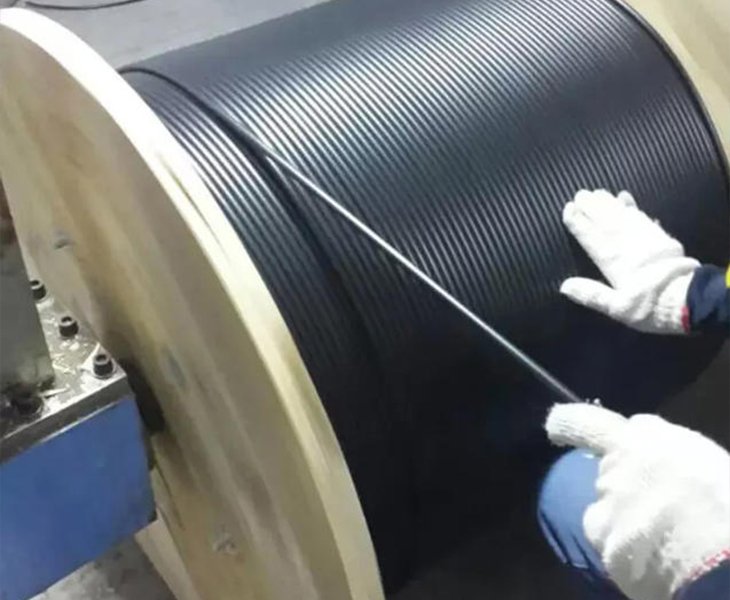
How Fiber Optic Cables Are Manufactured
Top fiber optic cable manufacturers follow strict production processes.
Step 1: Fiber Drawing
Ultra-pure silica glass preforms are heated to approximately 2000°C.
The molten glass is drawn into extremely thin optical fibers.
Step 2: Fiber Coating
Protective coatings are applied immediately after drawing.
Benefits include:
- Mechanical protection
- Moisture resistance
- Improved durability
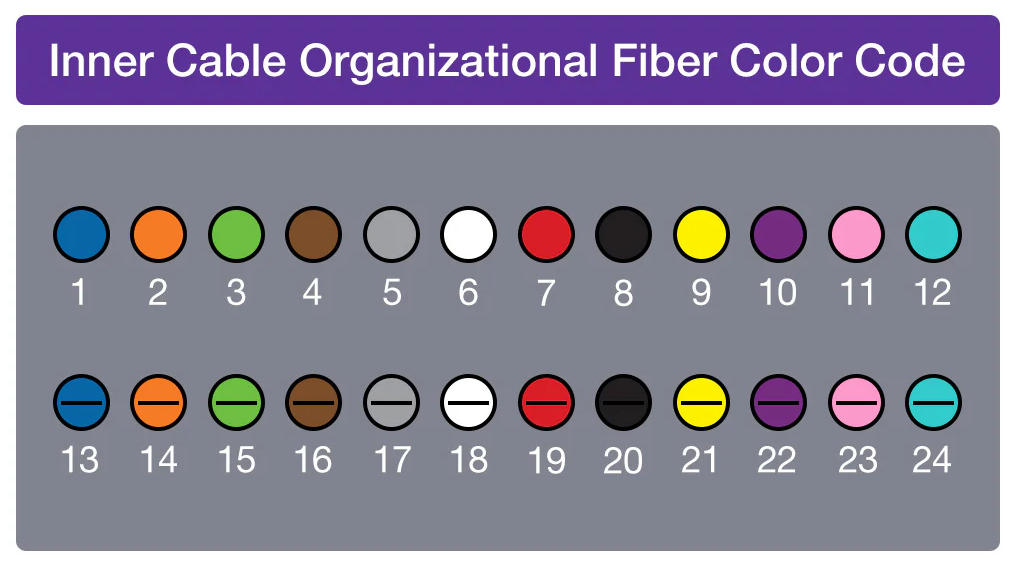
Step 3: Coloring
Fibers are color-coded for identification and management.
Industry standards ensure consistency.
Step 4: Buffering
Buffer layers are added to protect fibers from environmental stress.
Common buffer types:
- Tight buffer
- Loose tube
Step 5: Strength Member Integration
Manufacturers add reinforcement materials such as:
- Aramid yarn
- FRP rods
- Steel wire
These enhance tensile strength.
Step 6: Jacketing
Outer jackets provide environmental protection.
Materials include:
- PE
- LSZH
- PVC
- TPU
Step 7: Testing
Quality testing includes:
- Tensile testing
- Crush testing
- Impact testing
- Attenuation testing
- Environmental testing
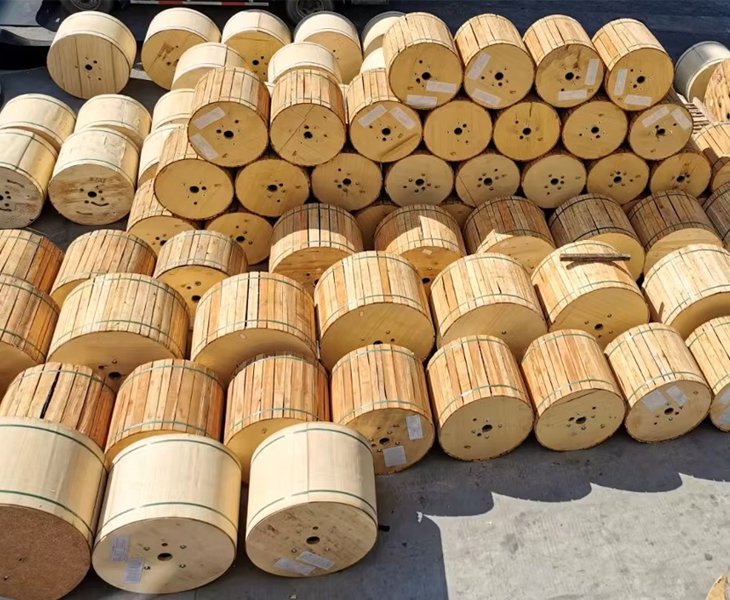
Certifications Top Fiber Optic Cable Manufacturers Should Have
Reliable manufacturers typically maintain international certifications.
ISO 9001
Quality management systems.
ISO 14001
Environmental management standards.
ISO 45001
Occupational health and safety management.
CE Certification
Compliance with European regulations.
RoHS Compliance
Restriction of hazardous substances.
CPR Certification
Required for many European building installations.
TLC Certification
Widely recognized in telecommunications projects.
Key Factors When Choosing Fiber Optic Cable Manufacturers
Selecting the right manufacturer can significantly impact project success.
Manufacturing Capacity
Evaluate:
- Monthly production output
- Number of production lines
- Automation level
- Delivery capability
Large-scale manufacturers can handle high-volume orders efficiently.
Product Range
A diversified product portfolio often indicates strong technical expertise.
Look for suppliers offering:
- Indoor cables
- Outdoor cables
- FTTH solutions
- Data center solutions
- Custom cable assemblies
Quality Control
Strong manufacturers implement:
- Incoming material inspections
- In-process quality checks
- Final product testing
- Traceability systems
R&D Capabilities
Innovation drives competitive advantage.
Leading manufacturers invest heavily in:
- New fiber technologies
- High-density cables
- Bend-insensitive fibers
- Data center solutions
Customization Services
Many projects require specialized cable designs.
Customization options may include:
- Fiber count
- Jacket material
- Strength members
- Packaging
- Printing
Technical Support
Professional suppliers provide:
- Product selection guidance
- Installation recommendations
- Engineering consultation
- After-sales support
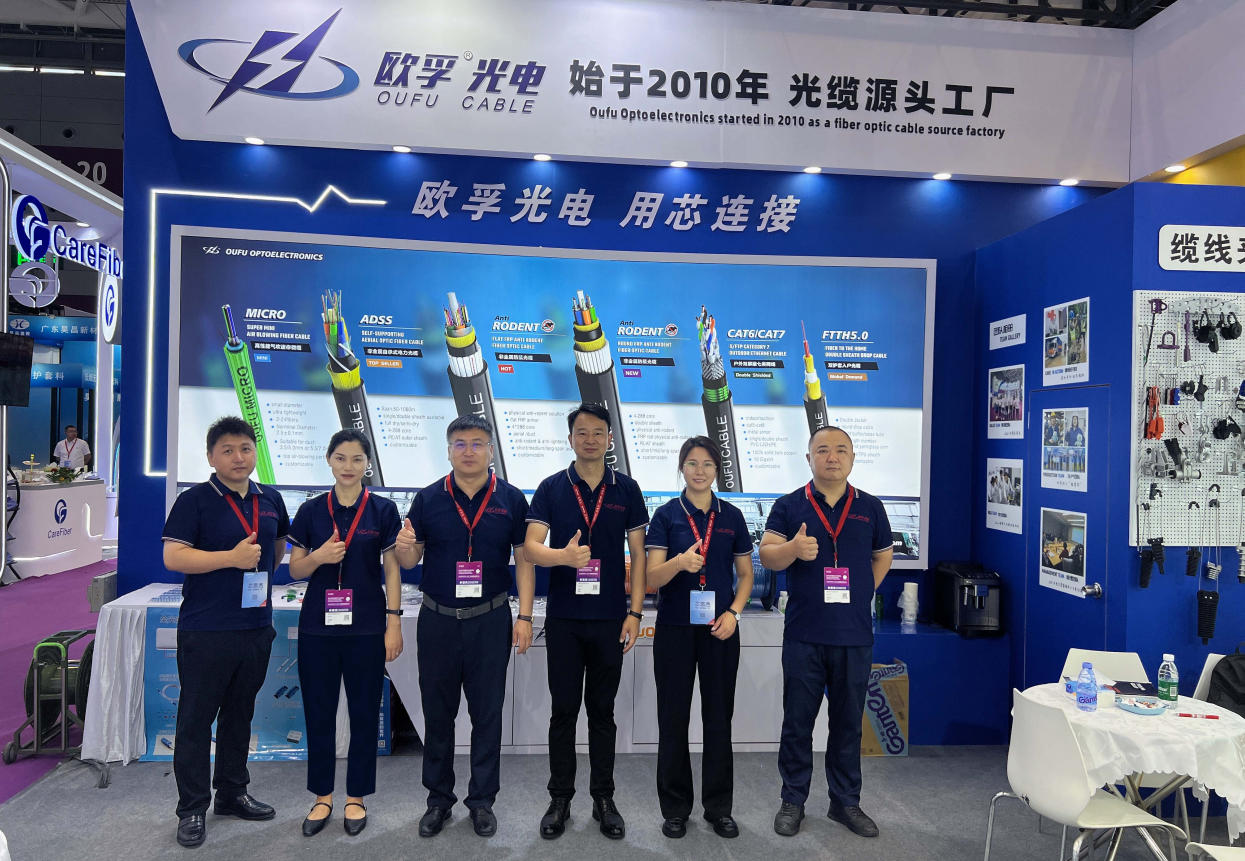
Global Demand for Fiber Optic Cables
The global fiber optic market continues to expand rapidly.
Several factors are driving growth:
5G Expansion
5G networks require extensive fiber backhaul infrastructure.
Telecom operators worldwide continue investing in fiber deployment.
Data Center Growth
Hyperscale data centers require enormous fiber connectivity.
Cloud service providers continue expanding global facilities.
Smart Cities
Modern smart city projects rely on fiber networks for:
- Traffic management
- Surveillance systems
- IoT devices
- Public connectivity
Artificial Intelligence
AI applications demand high-speed data transfer and low latency.
Fiber infrastructure is critical for supporting AI workloads.
Fiber-to-the-Home Deployment
Governments and service providers continue expanding broadband access.
FTTH projects represent one of the fastest-growing segments in the industry.
Emerging Technologies in Fiber Optic Manufacturing
Bend-Insensitive Fiber
Improved flexibility for crowded installations.
Benefits:
- Reduced signal loss
- Easier deployment
- Higher reliability
Micro Cables
Micro cables support:
- High-density installations
- Reduced duct space requirements
- Faster deployment
High-Fiber-Count Cables
Modern manufacturers now produce cables with:
- 432 fibers
- 864 fibers
- 1728 fibers
- 3456 fibers
These support hyperscale network infrastructure.
Ribbon Fiber Technology
Ribbon fibers enable:
- Faster splicing
- Reduced labor costs
- Higher deployment efficiency
Fiber Optic Cable Manufacturers and Sustainability
Environmental responsibility is becoming increasingly important.
Leading manufacturers are implementing:
Green Production Processes
Reducing:
- Energy consumption
- Carbon emissions
- Water usage
Recyclable Materials
Eco-friendly packaging and cable materials are gaining popularity.
Sustainable Supply Chains
Manufacturers increasingly prioritize:
- Responsible sourcing
- Ethical production
- Environmental compliance
Benefits of Working Directly with Manufacturers
Purchasing directly from a fiber optic cable manufacturer offers several advantages.
Better Pricing
Factory-direct purchasing eliminates middlemen.
Quality Assurance
Direct manufacturers provide better traceability and product control.
Custom Solutions
Customized cable designs are easier to obtain.
Faster Delivery
Direct communication improves production scheduling.
Technical Expertise
Manufacturers possess deeper product knowledge than distributors.
Common Industries Served by Fiber Optic Cable Manufacturers
Fiber optic cables are widely used across multiple industries.
Telecommunications
Applications include:
- Mobile networks
- Broadband services
- Backbone infrastructure
Data Centers
High-speed connectivity between:
- Servers
- Storage systems
- Network switches
Energy and Utilities
Power companies use fiber for:
- Grid monitoring
- Communications
- SCADA systems
Transportation
Railways, airports, and highways increasingly rely on fiber networks.
Industrial Automation
Manufacturing facilities use fiber optics for:
- Machine communication
- Industrial Ethernet
- Automation systems
Government and Defense
Fiber provides secure communications for critical infrastructure.
Future of Fiber Optic Cable Manufacturing
The future of the fiber optic industry remains exceptionally strong.
Expected developments include:
- Increased fiber deployment worldwide
- Expansion of AI data centers
- Growth of edge computing
- Smart infrastructure projects
- 6G network preparation
- Higher fiber-count cable adoption
Manufacturers that invest in automation, innovation, and sustainability will likely lead the market over the next decade.
Frequently Asked Questions (FAQ)
Who are the best fiber optic cable manufacturers?
The best manufacturers typically offer:
- International certifications
- Large production capacity
- Strong R&D capabilities
- Comprehensive product portfolios
- Reliable global support
The ideal supplier depends on project requirements and geographic location.
How do I choose a reliable fiber optic cable manufacturer?
Consider:
- Product quality
- Certifications
- Manufacturing experience
- Technical support
- Delivery performance
- Customer references
Are OEM and ODM services available?
Most professional manufacturers provide:
- OEM production
- ODM solutions
- Private labeling
- Custom packaging
What certifications should fiber optic cables have?
Common certifications include:
- ISO 9001
- CE
- RoHS
- CPR
- TLC
Requirements vary by market and application.
Why is fiber optic cable demand increasing?
Demand is driven by:
- 5G deployment
- FTTH expansion
- Data center growth
- Cloud computing
- AI infrastructure
- Smart city projects
Conclusion
Choosing the right fiber optic cable manufacturer is essential for ensuring network reliability, long-term performance, and project success. As global demand for high-speed connectivity continues to rise, manufacturers play a critical role in supplying the infrastructure that powers modern communications.
Whether you are deploying an FTTH network, building a hyperscale data center, upgrading a telecommunications backbone, or supporting smart city initiatives, partnering with an experienced and certified fiber optic cable manufacturer can provide significant advantages in quality, customization, technical support, and cost efficiency.
With ongoing advancements in 5G, AI, cloud computing, and next-generation network technologies, the fiber optic cable industry is positioned for sustained growth, making the selection of a trusted manufacturing partner more important than ever.
Fiber Optic Cable Manufacturers, Optical Fiber Cable Supplier, Fiber Optic Cable Factory, Fiber Cable Manufacturer, FTTH Cable Manufacturer, ADSS Cable Manufacturer, OPGW Cable Supplier, Fiber Optic Solutions, Optical Cable Production, Fiber Network Infrastructure, Fiber Optic Cable Company, Telecom Fiber Cable Manufacturer.