1. Introduction to Direct Burial Fiber Optic Cable
Direct Burial Fiber Optic Cable, also named direct underground buried armored fiber cable, heavy duty buried optical fiber cable, is a special outdoor armored optical cable designed for direct underground trench burial installation without additional pipeline protection. Different from ordinary duct fiber optic cable and aerial fiber cable, direct burial fiber optic cable integrates multi-layer armor, double waterproof sheath, high-strength reinforcement and anti-corrosion structure, which can completely resist underground complex harsh environment, including soil pressure, extrusion, rodent bite, moisture erosion, chemical corrosion, temperature change and accidental mechanical damage.
In the global telecommunications infrastructure construction, 5G base station deployment, FTTH fiber to the home network, metropolitan area backbone network, rural broadband network, highway railway communication and data center interconnection projects, direct burial fiber optic cable has become the most mainstream underground communication transmission solution. With the rapid growth of global internet bandwidth demand, the market demand for high-quality direct buried armored fiber cable is rising year by year. This article comprehensively analyzes direct burial fiber optic cable from definition, structure, models, performance, construction, applications, selection and other multi-dimensions.
2. Structural Design & Core Components of Direct Buried Fiber Cable
The excellent performance of direct burial fiber optic cable comes from its professional layered structural design. Standard direct burial fiber cable adopts loose tube stranded + double sheath + steel tape armor + full water blocking composite structure, each layer undertakes independent protection function, forming a complete underground protection system.
2.1 Internal Optical Fiber Core
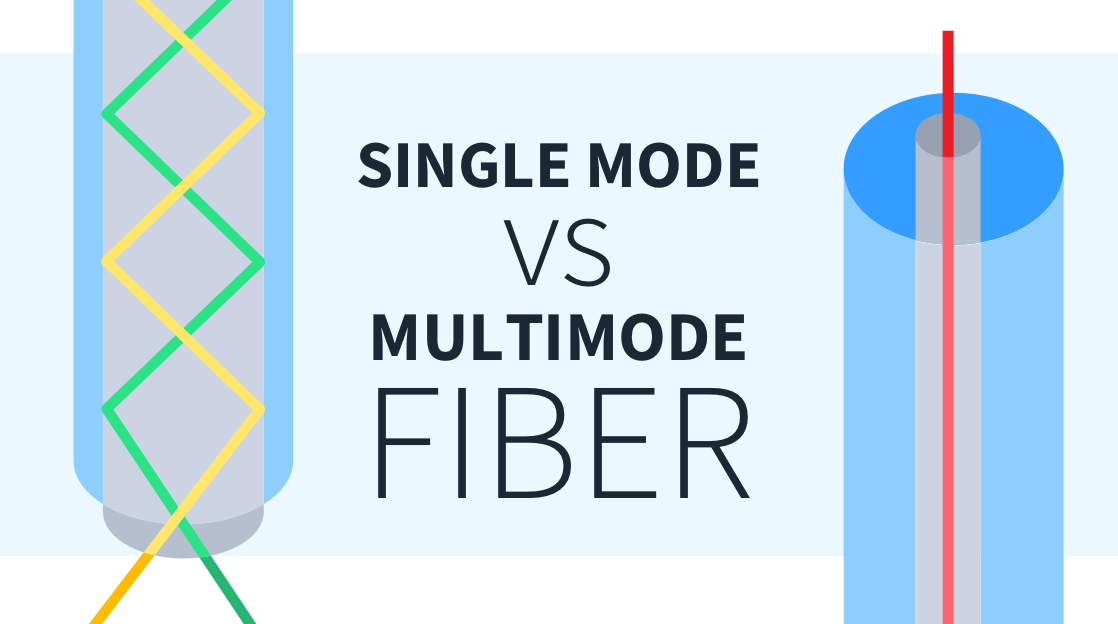
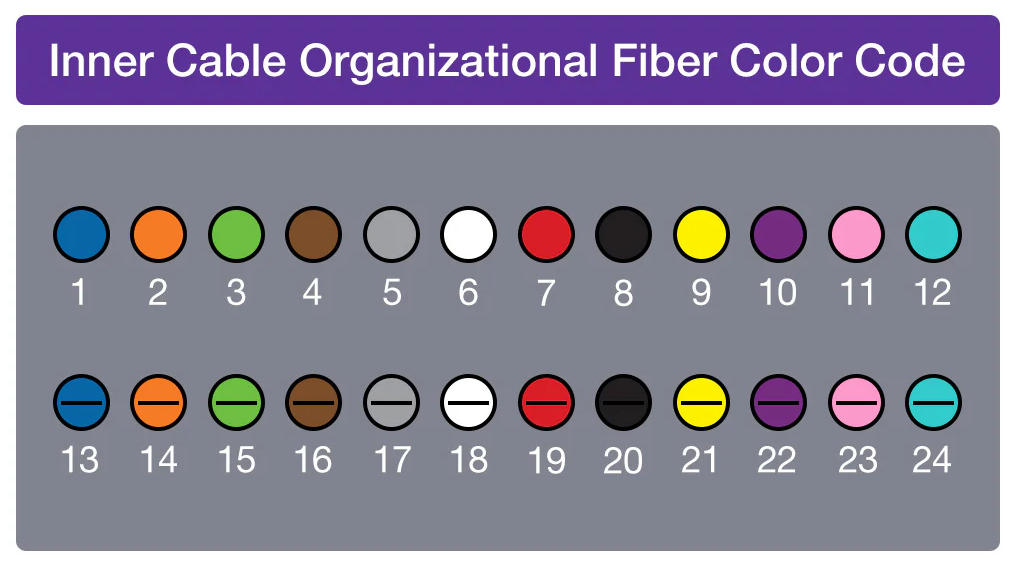
The transmission core of direct burial fiber optic cable adopts OS2 single mode 9/125μm single mode fiber, which is the mainstream choice for long-distance high-speed transmission; short-distance local area network can choose OM3/OM4 multimode fiber. Optical fibers are placed in PBT loose tubes, filled with special waterproof jelly compound inside loose tubes, which isolates moisture, buffers temperature expansion and contraction, and ensures fiber zero stress operation under cable stretching and bending. Precise fiber excess length control technology ensures stable optical transmission performance under underground temperature change from -40℃ to +70℃.
2.2 Central Strength Member
High-strength phosphating steel wire central reinforcement is adopted at the cable center, which greatly improves the longitudinal tensile resistance of direct burial fiber cable, prevents cable breakage during construction pulling and long-term underground soil settlement stress. Non-metallic FRP central strength member optional for anti-electromagnetic interference special scenarios.
2.3 Cable Core Stranding & Full Water Blocking Layer
Loose tubes and filler ropes are S-Z stranded around central strength member to form compact circular cable core. All gaps inside cable core are filled with water blocking compound, matched with longitudinal water blocking tape, realizing full-section water blocking performance. Once outer sheath is damaged, water will stop spreading immediately and protect internal optical fiber from water damage. Longitudinal aluminum plastic bonding sheath (APL) is wrapped outside cable core, forming the first waterproof barrier.
2.4 Armor Protection Layer (Core Difference from Ordinary Cable)
Armor layer is the most important structure of direct burial fiber optic cable. mainstream adopts corrugated steel tape armor (CST), heavy-duty projects adopt steel wire armor (SWA). Steel tape armor can effectively resist underground soil side pressure, stone extrusion, rodent and termite bite, accidental digging damage, which is the key to realize direct burial without pipeline. Double armor structure (inner sheath + steel tape armor + outer sheath) is adopted for most direct burial models.
2.5 Double PE Outer Sheath
Inner PE sheath + high-density HDPE outer double sheath design. HDPE material has excellent anti-corrosion, anti-UV, anti-acid alkali soil corrosion, aging resistance performance. Double sheath further improves waterproof, moisture-proof and mechanical protection ability, and the service life of direct burial fiber optic cable can reach 25–30 years under normal underground environment.
3. Common Models & Specifications of Direct Burial Armored Fiber Optic Cable
There are multiple mature models of direct burial fiber optic cable in global market, matching different construction requirements, terrain and fiber core number. Below are mainstream export hot-selling models.
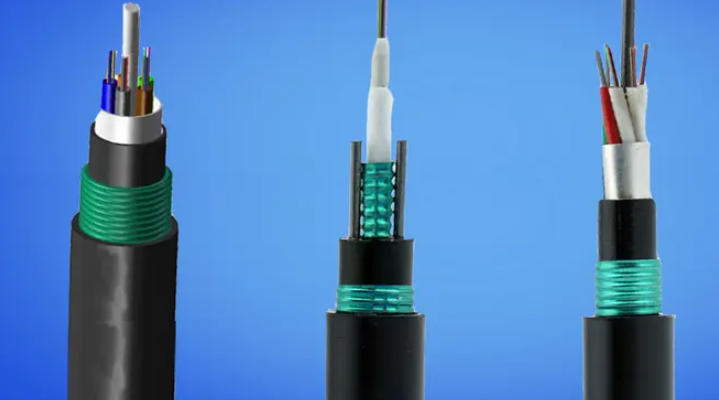
3.1 GYTA53 Direct Burial Fiber Optic Cable (Most Popular Global Model)
Layer stranded loose tube, aluminum plastic sheath, corrugated steel tape armor, double PE sheath. It is the best-selling direct burial fiber cable worldwide, with fiber cores from 4 cores to 288 cores, suitable for metropolitan area backbone network, urban suburban direct burial, highway railway communication, FTTH access network. Excellent compressive, waterproof and anti-rodent performance, cost-effective and widely recognized by global telecom operators and engineering contractors.
3.2 GYTS53 Direct Burial Fiber Optic Cable
Similar to GYTA53, with steel sheath instead of aluminum sheath, higher mechanical strength, more suitable for heavy pressure, rocky soil, high-risk underground direct burial environment.
3.3 GYXTW53 Central Tube Direct Burial Fiber Cable
Central bundle tube steel tape armored double sheath direct burial cable, compact structure, small diameter, light weight, low cost, suitable for 4–24 cores short-distance rural direct burial, community access network projects.
3.4 GYFTY53 Non-metallic Direct Burial Fiber Cable
Non-metallic FRP reinforcement, non-metal armor, anti-electromagnetic interference, special for power station, railway, high-speed rail strong electromagnetic environment direct burial projects.
3.5 GYDTA53 Ribbon Direct Burial Fiber Cable
High-density ribbon optical fiber direct burial cable, up to 432 cores ultra-high fiber count, suitable for large data center trunk line, ultra-long distance backbone direct burial network, fast fusion splicing construction.
Standard Specifications Parameters
- Fiber type: OS2 single mode 9/125μm
- Fiber cores: 4,8,12,24,48,72,96,144,288 cores optional
- Operating temperature: -40℃ ~ +70℃
- Static bending radius: ≥12.5×cable diameter; Dynamic bending radius: ≥25×cable diameter
- Service life: ≥25 years
- Certifications: CE, RoHS, CPR, ISO9001, international export standard
4. Core Performance Advantages of Direct Burial Fiber Optic Cable
Compared with aerial fiber cable and duct fiber cable, direct burial fiber optic cable has comprehensive advantages in underground application scenarios, which is the core reason for its global large-scale application.
4.1 No Pipeline Required, Greatly Reduce Project Cost
Direct burial fiber optic cable can be directly laid in underground trench without pre-buried PVC/HDPE pipeline, pole tower, hanging wire and other supporting facilities. It saves pipeline material cost, pipeline construction cost and later pipeline maintenance cost. Overall project cost is reduced by 30%–50% compared with duct fiber cable laying scheme. Especially suitable for suburban, rural, open area long-distance laying projects.
4.2 Super Strong Mechanical Protection & Anti-damage Ability
Steel tape double armor + double sheath structure, excellent anti-side pressure, anti-stretching, anti-extrusion, anti-rodent bite, anti-termite performance. Can resist underground soil long-term pressure, agricultural machinery plowing damage, accidental construction digging damage, far higher than ordinary duct fiber cable protection level.
4.3 Stable Underground Environment & Ultra-long Service Life
Underground environment has stable temperature and humidity, no UV radiation, no wind rain ice snow weather damage. Combined with full water blocking and anti-corrosion sheath, direct burial fiber cable signal transmission is very stable, low attenuation, low failure rate, service life up to 30 years, far longer than aerial fiber cable.
4.4 Good Concealment & High Security
Completely buried underground, no exposed cable, avoid artificial damage, theft, weather damage, more secure for national telecom backbone network, important communication line construction.
4.5 High Construction Efficiency & Wide Terrain Adaptability
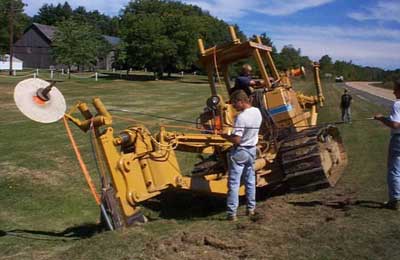
Can adopt trench excavation laying or vibratory plow direct burying construction, fast construction speed. Adapt to plain, hills, roadside, farmland, railway highway along line various terrain, not limited by overhead space conditions.
5. Direct Burial Fiber Optic Cable Installation Standards & Construction Guide
Standard construction is the key to ensure direct burial fiber cable long-term stable operation. Below is global universal installation specifications.
5.1 Reasonable Burial Depth Standard (Global Industry Standard)
- Urban road area: ≥0.7m (27.5 inches)
- Rural farmland & suburban area: ≥0.9–1.2m (35–48 inches), prevent agricultural plowing damage
- Road crossing section: ≥1.2m, plus concrete protective plate reinforcement
- Non-frozen area minimum burial depth: ≥0.6m; Frozen area below frost line
5.2 Construction Process Steps
- Route planning: Avoid flood area, serious chemical corrosion soil, existing underground pipeline dense area
- Trench excavation: Smooth trench bottom, lay sand cushion ≥100mm under cable, avoid sharp stone puncturing sheath
- Cable laying: No kink, no excessive pulling force, bending radius meet standard requirement
- Backfilling: Cover soft sand and soil around cable, lay concrete protective plate above cable
- Marking piles: Set obvious warning marks every 100m and at turning joints, prevent later excavation damage
5.3 Construction Notes
Avoid direct burial in strong acid alkali chemical corrosion soil; Avoid termite serious hazard areas without protection; Cable laying pulling force shall not exceed rated tensile value; Strictly prevent sharp object cutting armor layer during construction.
6. Widely Used Application Scenarios
6.1 Global Telecom Backbone Network & Metropolitan Area Network
National/provincial intercity backbone communication lines, urban core metropolitan area network, operator main communication trunk lines, large-scale direct burial projects in Europe, North America, Southeast Asia, Middle East and Africa telecom infrastructure upgrading.
6.2 5G Communication Base Station Construction
Global 5G macro base station, micro base station underground connection line, direct burial fiber cable connects base station and central computer room, is necessary transmission medium for 5G high-speed network coverage.
6.3 FTTH Fiber To The Home Broadband Network
Urban community, rural village broadband access network, suburban home fiber direct burial laying, realize last kilometer fiber coverage.
6.4 Highway, Railway, High-speed Rail Communication Project
Along highway railway communication pipeline, railway signal transmission system, high-speed rail anti-electromagnetic direct burial fiber cable special projects.
6.5 Data Center Interconnection & Industrial Park Network
Large cloud data center interconnection line, industrial park, campus, enterprise park outdoor underground communication network.
6.6 Rural Broadband Universal Service Project
Global rural area broadband popularization projects, rural long-distance sparse population area direct burial fiber network construction, cost-effective GYTA53/GYXTW53 direct burial cable is first choice.
7. Comparison Between Direct Burial Cable, Aerial Cable & Duct Fiber Cable
| Comparison Item | Direct Burial Fiber Optic Cable | Aerial Fiber Optic Cable | Duct Fiber Optic Cable |
|---|---|---|---|
| Installation Method | Direct underground burial, no pipeline | Overhead on poles | Laid in underground pipeline |
| Protection Structure | Double armor + double sheath | Simple armor/no armor | Single sheath, no heavy armor |
| Anti-damage Ability | Excellent | Poor (wind, ice, theft) | Medium |
| Project Cost | Medium-low | Low initial cost | High (pipeline cost) |
| Service Life | 25–30 years | 10–15 years | 20–25 years |
| Construction Speed | Fast | Fast | Slow (need pipeline construction) |
| Applicable Scenarios | Backbone, rural, suburban, highway | Urban dense area overhead | Urban downtown pipeline area |
8. Selection Guide & Purchasing Tips for Direct Buried Fiber Optic Cable
Professional purchasing guide, high search volume Google keywords, help customers choose products, improve website conversion rate.
- Choose model according to terrain: Rocky/heavy pressure → GYTS53; Ordinary suburban rural → GYTA53; Short small core → GYXTW53; Strong electromagnetic environment → GYFTY53 non-metallic cable.
- Choose fiber core number according to bandwidth demand: Access network 12/24 cores; Backbone network 48/96/144 cores.
- Confirm fiber type: Long distance must choose OS2 single mode fiber.
- Confirm armor structure: Direct burial must choose double armor double sheath, not single sheath non-armor cable.
- Choose regular manufacturer with CE/RoHS export certification, ensure armor thickness, water blocking performance and sheath quality.
9. FAQs & Conclusion
Q1: What is direct burial fiber optic cable?
A1: It is heavy armored double sheath underground fiber cable that can be directly buried without pipeline protection.
Q2: How deep should direct burial fiber cable be buried?
A2: Urban ≥0.7m, rural farmland ≥0.9–1.2m.
Q3: How long is the service life of direct burial fiber cable?
A3: Normal underground environment ≥25–30 years.
Q4: Is GYTA53 direct burial fiber cable waterproof and anti-rodent?
A4: Yes, full water blocking + steel tape armor, excellent anti-rodent performance.
Conclusion
Direct Burial Fiber Optic Cable is the core underground transmission infrastructure of global modern telecommunications network, 5G network, FTTH broadband and data center construction. With professional armored structure, excellent waterproof anti-damage performance, cost-effective construction advantage and ultra-long service life, it has irreplaceable application value in global backbone network, rural broadband, highway railway and various underground communication projects.