What Is a Fiber Optic Enclosure?
- Physical protection: Prevent optical fibers from external impact, tensile force, animal damage and mechanical squeezing.
- Environmental isolation: Block rainwater, moisture, dust, sand, corrosive gas and temperature fluctuations from contacting sensitive fusion splice points.
- Systematic fiber management: Reserve reasonable fiber slack storage space, maintain fiber minimum bending radius, organize routing and facilitate future expansion and troubleshooting.
Main Types of Fiber Optic Enclosures & Typical Application Scenarios
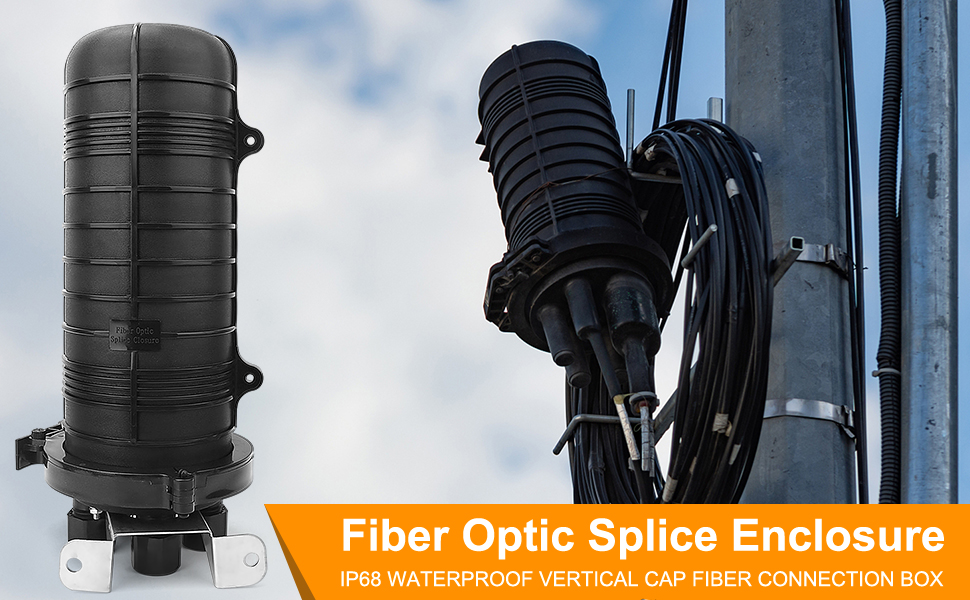
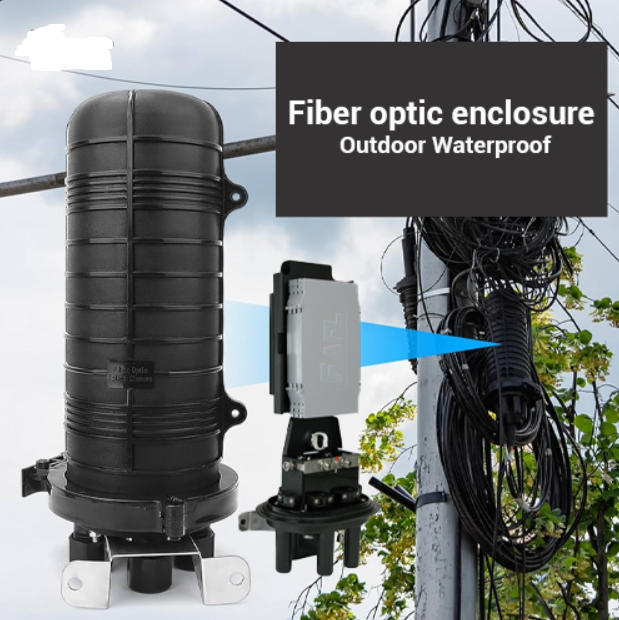
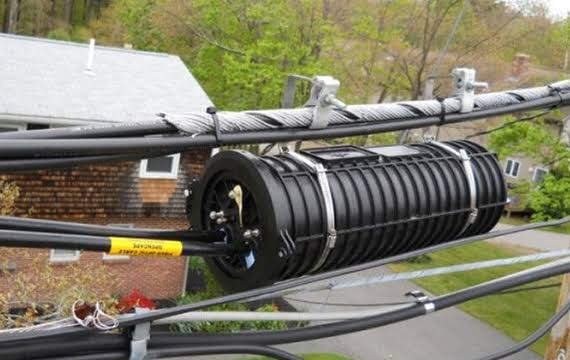
1. Outdoor Fiber Splice Enclosure (Splice Closure)
Two mainstream structures: horizontal inline enclosure and vertical dome fiber enclosure. Capacity ranges from 12 cores up to 288 cores. Mounting options include pole-mounted, wall-mounted, direct buried and manhole installation.
Application: Long-distance backbone fiber splicing, mid-span cable jointing, aerial overhead fiber networks, underground duct and direct-buried fiber projects.
2. Fiber Distribution Enclosure / FTTH Terminal Enclosure
Common core counts: 8, 12, 16, 24, 48 cores. Most support built-in PLC optical splitters for last-mile signal distribution. Generally wall-mounted.
3. Indoor Rack-Mount Fiber Optic Enclosure
1U, 2U, 4U standard rack size, compatible with standard 19-inch server racks. Used to install fiber adapter panels, splice trays and patch cords inside data centers, computer rooms.
4. Mini Fiber Optic Enclosure
Compact low-core design for simple fiber branch and repair. Lightweight and low cost.
Application: Temporary network engineering, roadside monitoring fiber, small camera optical link connection.
Top Common Pain Points of Fiber Optic Enclosure in Real Projects & Practical Solutions
Pain Point 1: Moisture & Water Ingress Causing High Optical Attenuation
Symptoms: Increased insertion loss, unstable OTDR testing data, water droplets or condensation inside enclosure after rainy seasons. Severe cases lead to splice point corrosion and permanent fiber disconnection.
Root Causes:
- Low-quality silicone rubber gaskets aging rapidly under UV exposure;
- Improper cable entry sealing (poor heat shrink construction or loose mechanical glands);
- Inferior housing with uneven assembly gaps;
- Enclosure installed at low-lying positions prone to rainwater accumulation.
- Choose enclosures with integrated thick silicone sealing rings instead of thin recycled rubber gaskets.
- For buried and riverside projects, select IP68 rated fiber optic enclosure with dual sealing structure.
- Standardize installation: tilt enclosure slightly to facilitate natural water outflow; avoid deployment in waterlogged pits.
- Add desiccant bags inside the enclosure for high-humidity tropical, coastal and rainforest regions.
Pain Point 2: Fiber Microbending & Signal Loss Due to Poor Internal Layout
Symptoms: Unaccountable signal attenuation after enclosure sealing, frequent unstable broadband service for end users.
Root Causes: Cheap enclosures adopt simplified internal structures without independent slack storage area. Technicians have to bend optical fiber below the minimum bending radius during installation. The international standard minimum bend radius for single-mode fiber is 30mm under static state.
Solutions: Prioritize products with layered splice trays, dedicated fiber winding zones and fixed routing clips. Do not purchase ultra-cheap simplified enclosures that cut internal structural costs. Train construction teams to reserve sufficient fiber slack.
Pain Point 3: Shell Cracking, Brittle Damage in Extreme Temperatures
Symptoms: Enclosure shell cracks after one or two years of outdoor exposure, especially in regions with large temperature differences between summer and winter.
Root Cause: Manufacturers use recycled plastic raw materials without UV stabilizer. Ordinary ABS plastic will become brittle under long-term ultraviolet radiation.
Solutions: Outdoor deployment requires UV-resistant modified polycarbonate (PC) material. Confirm raw material certification before bulk procurement. For alpine cold areas, select low-temperature anti-cracking optimized enclosure models.
Pain Point 4: Difficult Re-opening for Network Expansion & Maintenance
Symptoms: After initial sealing, the enclosure cannot be opened smoothly for fiber adding or fault maintenance. Once opened, the original sealing performance disappears completely.
Root Causes: Single-use heat-shrink sealing design, non-reusable sealing structure.
Solutions: Two options for different demands. If the project requires future network expansion, select mechanical reusable sealing fiber optic enclosure. If it is fixed backbone without later adjustment, heat shrink sealed types can control project cost.
Pain Point 5: Insufficient Strain Relief, Cable Pull Damages Fusion Points
Symptoms: Vibration from wind, ground settlement or vehicle vibration pulls optical cables, transferring tension directly onto fiber splice points.
Root Cause: Lack of firm cable clamping and strain relief device at cable inlet ports.
Solutions: Verify each cable entry equipped with reliable cable fixing clamps. All external tension should act on the cable sheath instead of internal optical fibers.
Pain Point 6: Pest Intrusion (Ants, Termites, Rodents)
Symptoms: Insects nest inside the enclosure, scratch fiber coating, block routing space and cause random network faults, widely reported in tropical and subtropical zones.
Solutions: Select fully sealed enclosure design without redundant gaps. Avoid damaged gaskets during installation. Regular inspection cycles for outdoor roadside enclosures.
Critical Specifications to Check When Buying Fiber Optic Enclosure
- Ingress Protection Grade: Indoor minimum IP54; general outdoor pole mount IP65; direct buried, coastal and flood-prone locations require IP68.
- Raw Material: Outdoor = UV stabilized PC / HDPE; indoor common ABS; heavy anti-corrosion industrial sites choose aluminum alloy.
- Fiber Core Capacity & Splice Tray Quantity: Confirm maximum fiber cores matching project design, reserve 20% surplus for future network expansion.
- Sealing Method: Mechanical reusable seal or heat shrink seal. Make decisions according to maintenance plan.
- Cable Entry Quantity & Port Size: Match outer diameter of deployed fiber optic cables. Custom cable ports available for special hybrid cable projects.
- Mounting Compatibility: Confirm accessories including pole brackets, wall mounting screws, ground lugs. Grounding terminals are essential for lightning-prone areas.
- Operating Temperature Range: Standard -40℃ ~ +65℃; verify for desert or polar region projects.
- Certification: Ask for material test reports, IP rating test certificates.
Installation Best Practices to Extend Fiber Optic Enclosure Service Life
- Complete all fiber fusion work and optical loss testing before final enclosure sealing. Use OTDR to record baseline test data for future troubleshooting.
- Arrange fiber regularly inside the box, strictly follow minimum bending radius requirements; fix all slack fiber on designated winding plates.
- Clean gasket surface before closing the enclosure. Remove sand, debris that may cause sealing gaps.
- Tighten bolts symmetrically with even force. Uneven pressure is a major hidden cause of water leakage.
- Mark enclosure ID, fiber routing information on outer shell for fast fault location.
- Avoid installing enclosures under direct long-term ponding, exposed low-lying terrain.
Routine Maintenance Schedule for Fiber Optic Enclosure
- Monthly visual inspection for roadside and coastal high-risk enclosures; check shell damage and loose covers.
- Quarterly sealing performance check in rainy seasons; observe condensation signs inside box.
- Annual comprehensive optical testing with OTDR, organize maintenance records.
- After extreme weather (typhoon, flood, heavy snow), carry out emergency targeted inspection.