Hybrid Fiber Optic Cable is a composite cable that combines:
- Optical fibers for high-speed data transmission
- Copper or aluminum conductors for electrical power delivery
This integration allows a single cable to perform two critical functions:
- High-bandwidth communication (via fiber optics)
- Power supply (via metallic conductors)
Hybrid cables are widely used in environments where remote equipment requires both connectivity and power, such as telecom base stations, surveillance systems, industrial automation, and smart infrastructure.
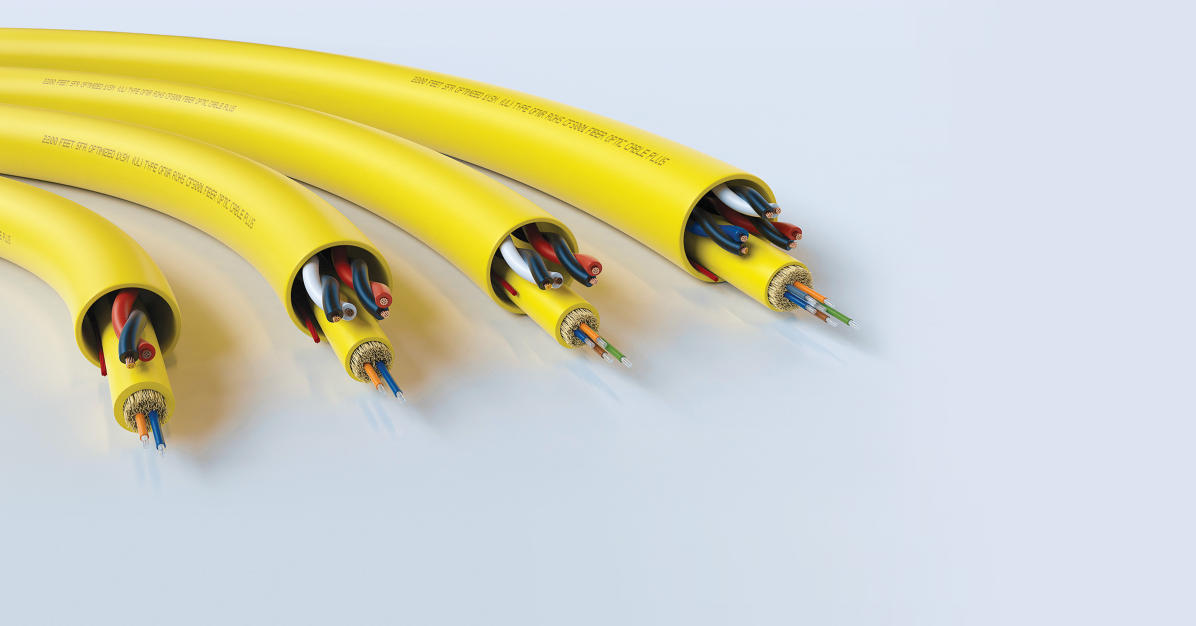
Structure of Hybrid Fiber Optic Cable
The internal structure of a hybrid fiber optic cable is carefully engineered to ensure durability, performance, and safety.
1. Optical Fiber Core
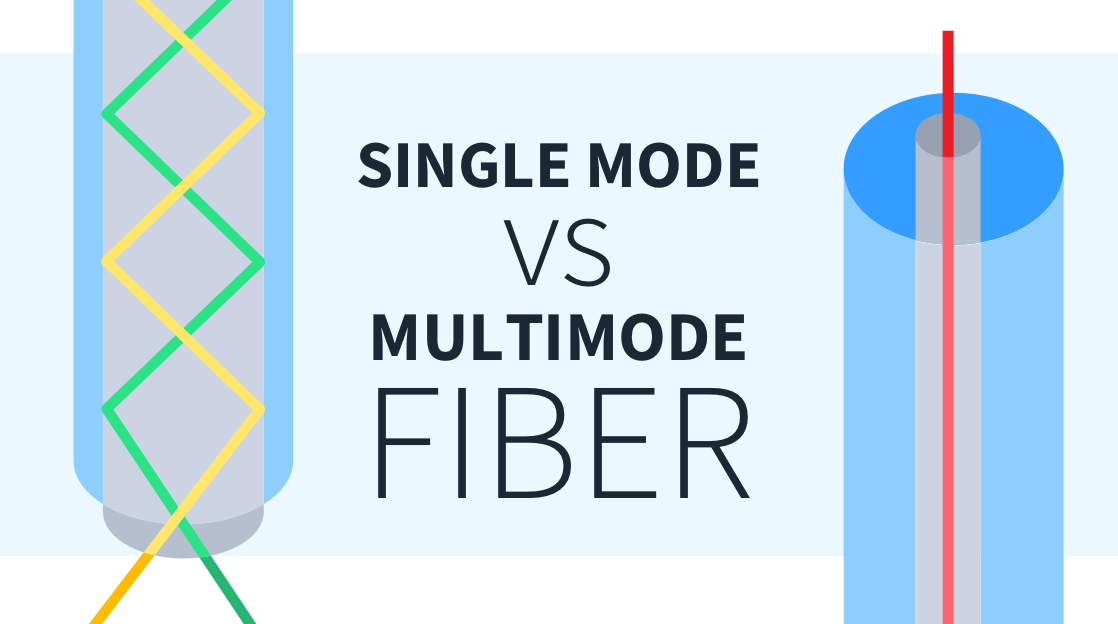
The optical fibers are made of ultra-pure glass or plastic and are responsible for transmitting data using light signals. They typically support:
- Single-mode fiber (long-distance, high-speed transmission)
- Multi-mode fiber (short-distance, high-capacity networks)
2. Copper Conductors
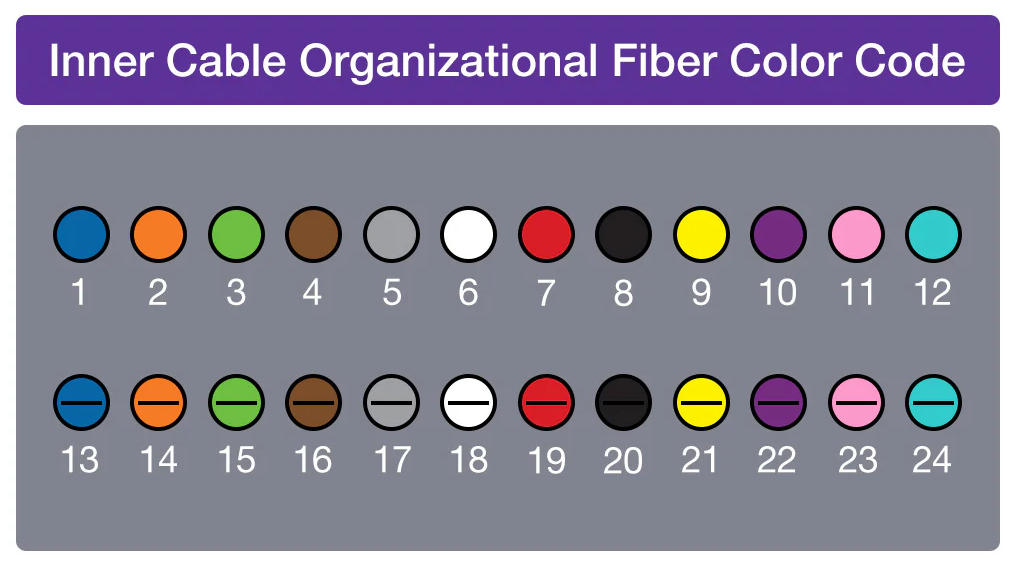
Copper wires are integrated to provide electrical power. They are insulated to prevent interference with optical fibers.
3. Buffer Layer
A protective buffer surrounds the fibers to prevent micro-bending and physical damage.
4. Strength Members
Materials such as aramid yarn (Kevlar) or fiberglass are used to enhance tensile strength and prevent stretching during installation.
5. Outer Jacket
The outer sheath is typically made of polyethylene (PE), PVC, or LSZH (Low Smoke Zero Halogen) materials for environmental protection and flame resistance.
How Hybrid Fiber Optic Cable Works
Hybrid fiber optic cables function by separating two transmission systems within the same physical cable:
Optical Transmission
Data is transmitted through light pulses inside the fiber core. This ensures:
- Extremely high bandwidth
- Low signal attenuation
- Immunity to electromagnetic interference (EMI)
Electrical Transmission
Copper conductors deliver DC or low-voltage AC power to connected devices such as:
- Remote radio units (RRUs)
- Surveillance cameras
- Sensors and IoT devices
By combining both systems, hybrid cables eliminate the need for separate power and data lines.
Key Features of Hybrid Fiber Optic Cable
1. Dual Functionality
One cable supports both power and data, reducing infrastructure complexity.
2. High Bandwidth Capacity
Fiber optics provide ultra-fast data rates, often exceeding 100 Gbps in modern systems.
3. EMI Resistance
Optical fibers are immune to electromagnetic interference, ensuring stable transmission in industrial environments.
4. Reduced Installation Costs
Fewer cables mean lower labor, trenching, and material costs.
5. Long-Distance Capability
Fiber optic components support transmission over tens of kilometers without significant signal loss.
6. Environmental Durability
Designed to withstand harsh environments such as underground ducts, aerial installations, and outdoor exposure.
Types of Hybrid Fiber Optic Cables
1. Indoor Hybrid Cable
Used in data centers, office buildings, and enterprise networks. These cables emphasize flexibility and fire safety.
2. Outdoor Hybrid Cable
Designed for harsh environments with UV resistance, waterproofing, and rodent protection.
3. Aerial Hybrid Cable
Installed on utility poles, often self-supporting with messenger wires.
4. Direct Burial Hybrid Cable
Engineered for underground installation without additional conduit.
5. Armored Hybrid Cable
Includes metal armor layers for protection against mechanical damage, crushing, and rodent attacks.
Applications of Hybrid Fiber Optic Cable
Hybrid fiber optic cables are used across multiple industries due to their versatility.
1. Telecommunications (5G Networks)
One of the largest applications is in 5G base stations, where hybrid cables:
- Provide power to remote radio units
- Transmit high-speed data back to core networks
2. Smart Cities
Used in:
- Smart traffic systems
- Street lighting control
- Environmental monitoring sensors
3. Security and Surveillance
Hybrid cables power and connect IP cameras, especially in large-scale surveillance systems.
4. Industrial Automation
Factories use hybrid cables for:
- Robotics
- PLC systems
- Real-time monitoring sensors
5. Renewable Energy Systems
Used in solar farms and wind turbines for monitoring and control systems.
6. Transportation Systems
Railways, airports, and highways use hybrid fiber cables for communication and power distribution.
Advantages of Hybrid Fiber Optic Cable
1. Simplified Infrastructure
Combining power and data into one cable reduces complexity in network design.
2. Cost Efficiency
Lower installation and maintenance costs compared to separate cabling systems.
3. Higher Reliability
Fewer connection points reduce failure risks.
4. Space Saving
Ideal for environments with limited installation space such as ducts or poles.
5. Improved Performance
Fiber optics ensure high-speed, low-latency communication.
Disadvantages of Hybrid Fiber Optic Cable
Despite its advantages, hybrid fiber optic cable has some limitations:
1. Higher Initial Cost
Manufacturing is more complex than standard fiber or copper cables.
2. Installation Complexity
Requires skilled technicians for proper deployment.
3. Limited Flexibility in Repair
Damage to one component may require replacing the entire cable section.
4. Heat Management Issues
Power conductors may generate heat, requiring careful design.
Installation Considerations
Proper installation is critical for optimal performance.
1. Bending Radius Control
Excessive bending can damage fiber cores and reduce signal quality.
2. Grounding and Safety
Copper conductors must be properly grounded to prevent electrical hazards.
3. Environmental Protection
Choose appropriate jackets based on installation environment (indoor, outdoor, underground).
4. Cable Management
Proper routing prevents tension and mechanical stress.
5. Testing and Certification
OTDR (Optical Time Domain Reflectometer) testing ensures fiber integrity before deployment.
Market Trends and Future Development
The demand for hybrid fiber optic cables is growing rapidly due to global digital transformation.
1. Expansion of 5G and 6G Networks
Future wireless networks require dense fiber backhaul and remote power supply systems.
2. Growth of Smart Infrastructure
Cities are increasingly adopting IoT systems that rely on hybrid cabling.
3. Integration with Edge Computing
Hybrid cables support distributed computing nodes requiring both power and data connectivity.
4. Green Energy Optimization
Hybrid solutions reduce material usage and energy loss, supporting sustainability goals.
5. Miniaturization and High Density
Future designs will focus on smaller diameter cables with higher fiber and power density.
Frequently Asked Questions (FAQ)
1. What is the main purpose of a hybrid fiber optic cable?
It is designed to transmit both data (via fiber optics) and electrical power (via copper conductors) in a single cable.
2. Where is hybrid fiber optic cable commonly used?
It is widely used in telecom networks, 5G base stations, smart cities, surveillance systems, and industrial automation.
3. Is hybrid fiber optic cable better than traditional cabling?
In many cases, yes—because it reduces installation costs, simplifies infrastructure, and improves efficiency.
4. Can hybrid fiber optic cable be used outdoors?
Yes, outdoor-rated versions are designed to withstand UV exposure, moisture, and harsh environmental conditions.
Conclusion
Hybrid fiber optic cable represents a major advancement in modern communication infrastructure. By combining optical fiber and electrical power transmission in a single unified system, it significantly improves efficiency, reduces cost, and supports the growing demands of digital transformation.
As technologies like 5G, IoT, smart cities, and edge computing continue to expand, hybrid fiber optic cables will play an increasingly critical role in shaping the future of global connectivity.
For businesses, engineers, and infrastructure planners, understanding and adopting this technology is no longer optional—it is essential for building scalable, high-performance networks for the future.